

Big Wall Climbing: Techniques, Gear, and Iconic Routes
Big wall climbing is one of the most demanding disciplines in outdoor sport. It combines technical rock climbing with expedition logistics, sleep deprivation management, and a particular psychological tolerance for commitment. Once you're on a big wall, retreat is always an option but rarely a straightforward one. You're there until you're done.
This guide covers what big wall climbing actually is, the main techniques used, the walls that define the discipline, and how to start building toward it from a conventional climbing background.
What Defines a Big Wall
The term "big wall" gets used loosely, but it has a reasonably specific meaning in the climbing community. A big wall is a route long enough that it cannot be completed in a single day by the vast majority of climbers, requiring at least one overnight stay on the face. This typically means vertical gain of 600m or more, though the defining characteristic is time on the wall rather than height alone.
Big walls require portaledge camping, hauling loaded haulbags up the face, and managing food, water, and waste over multiple days or weeks. The technical difficulty can range from moderate (a skilled team using primarily aid techniques) to extreme (advanced free climbing on routes like El Capitan's Dawn Wall). What's consistent across all big walls is the logistical complexity and the physical commitment of spending days or weeks on a vertical face.
This distinguishes big wall from alpine climbing (which involves glaciated terrain and mixed conditions) and from long multi-pitch routes (which can be descended in a day). The wall is its own environment with its own demands.
The Main Techniques: Aid, Free, and Speed
Aid climbing is the original big wall technique and still the most common for climbers new to the discipline. In aid climbing, the climber places gear (cams, nuts, hooks, pitons, bolts) and weights it to make upward progress rather than relying solely on hand and foot holds. Each piece of gear becomes a step. A typical aid pitch involves clipping into each piece with an aider (a fabric ladder), moving up, placing the next piece, and repeating. Progress is slow but reliable on terrain where free climbing would require a very high skill level.

Aid climbing has its own difficulty grading system (A0 through A5, or C0-C5 for clean aid using only removable gear). A5 represents the most dangerous aid, where a fall would likely be fatal due to poor gear placements pulling out in sequence. Most big wall routes that recreational climbers aspire to are in the A2-A3 range, challenging but with a reasonable margin for error.
Free climbing on big walls means using the rock features themselves for upward progress, with gear placed only for protection in the event of a fall. The explosion of free climbing on big walls over the past two decades, driven by climbers like Lynn Hill (who first free climbed The Nose in 1993) and Tommy Caldwell and Kevin Jorgeson (who completed the Dawn Wall in 2015), has fundamentally changed what's considered possible. Free climbing a big wall is exponentially harder than aid climbing the same route but has become the aspiration for the elite end of the discipline.
Speed climbing compresses the timeline through efficiency and risk tolerance rather than technique change. On June 6, 2018, Alex Honnold and Tommy Caldwell climbed the 3,000-foot Nose route in 1 hour, 58 minutes and 7 seconds, a record that National Geographic called one of the great athletic achievements of the year. Most teams take three to five days on the same route, camping on the wall in portaledges. Speed teams move simultaneously, place minimal gear, and accept higher fall consequences. It's a specialist discipline that requires years of route-specific experience.
Iconic Big Walls: The Walls That Define the Sport
El Capitan, Yosemite Valley, California is the spiritual home of big wall climbing. The 900m granite monolith has more established routes than any comparable wall on earth, ranging from the classic Nose (the most popular big wall route in the world) to advanced free routes that represent the absolute limit of human climbing ability. The Nose itself was first climbed in 1958 by Warren Harding, Wayne Merry, and George Whitmore over 47 days using siege tactics and fixed ropes. Its first free ascent came 30 years later, when Todd Skinner and Paul Piana completed it over 9 days in 1988 at a grade of 5.13b. If you want to understand big wall climbing, everything leads back to El Cap.
The Trango Towers, Karakoram, Pakistan are a different proposition entirely. The Great Trango Tower's 1,340m east face is the largest near-vertical rock face on earth. The combination of extreme altitude (the summit is over 6,200m), remote approach, technical difficulty, and unpredictable Karakoram weather makes Trango a serious expedition objective. Routes here are rarely repeated. The walls that have been put up represent some of the boldest big wall climbing in history.
Troll Wall (Trollveggen), Romsdal, Norway is Europe's tallest vertical rock face at approximately 1,000m. It was the site of one of climbing's great competitive firsts: a Norwegian team and a British team racing to make the first ascent in 1965, with the Norwegian team summiting one day before the British. The wall is notoriously wet, loose in places, and subject to extreme weather. It remains a serious objective.
Other walls worth knowing: the Salathé Wall (El Cap's second great route), the Diamond on Longs Peak (Colorado), the Rupal Face of Nanga Parbat (the largest mountain face on earth), and the granite walls of Patagonia, where weather conditions can make technically moderate routes into multi-week epics.
Getting Started: Building Toward Big Walls
Big wall climbing has a steep entry curve. The equipment alone requires a significant investment, and the techniques aren't things you can learn on a single weekend course. A realistic pathway looks something like this:
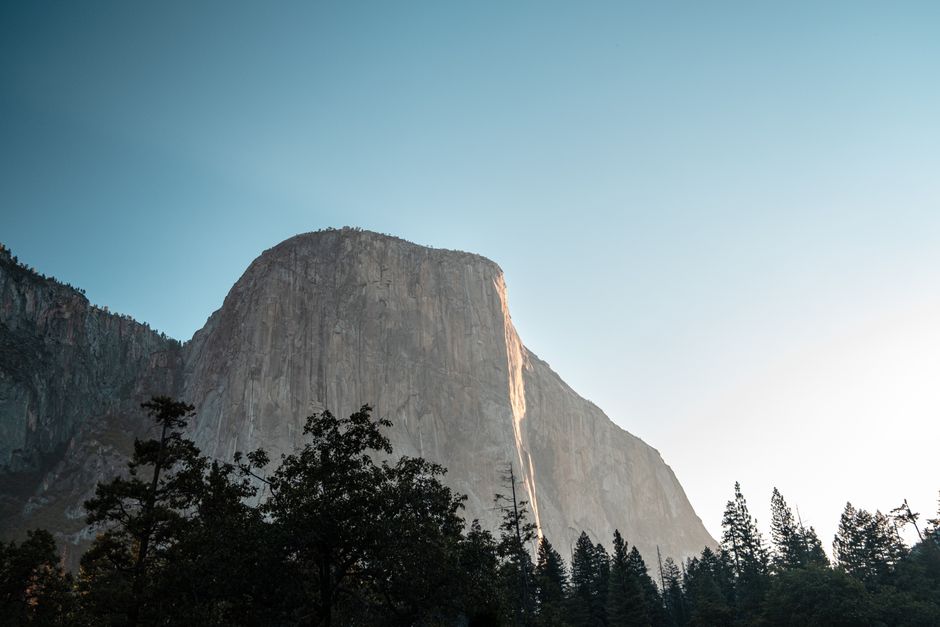
Photo by Mo Eid via Pexels
First, develop solid multi-pitch free climbing skills to at least 5.10 or equivalent. You need to be comfortable leading, following, and managing ropes on multi-pitch terrain before adding aid complexity. This typically takes two to three years of consistent climbing with experienced partners.
Second, learn aid climbing systematically. Take a course from a guide service that specialises in big wall, or find an experienced mentor willing to bring you on a moderate wall. The mechanics of aiding, cleaning aid placements, hauling bags, and rigging a portaledge are all learnable skills but they need to be taught in context. Books and YouTube can give you a framework but not the hands-on judgment that comes from actually doing it on a real wall.
Third, do your first overnight on a moderate wall before attempting anything serious. A route like the East Ledges on El Capitan (largely walking and scrambling) or a guided moderate wall introduction puts you through the logistical process without the technical difficulty of a harder route. You'll discover the hauling issues, the sleep management problems, and the food and water logistics that aren't obvious until you're on the wall.
Training for Big Wall
Big wall climbing is strength-demanding in ways that differ from sport or trad climbing. Hauling requires shoulder and back strength built through weighted pull-ups and rowing movements. Aid climbing requires grip endurance and foot strength through the aiders. The multi-day nature of big walls requires general conditioning that allows you to keep working at a reasonable level despite accumulated fatigue and poor sleep.
A focused training block for big wall preparation should include: weighted pull-ups (5x5 with meaningful load), lock-off holds at various arm angles, one-arm rowing with weight, and sustained moderate climbing sessions designed to build endurance rather than maximum difficulty. The campus board and hangboard work that dominates sport climbing training is less relevant here. Power-to-weight matters less than sustained strength and recovery capacity.
Yoga and hip flexibility training are underrated for big wall. Resting in an aider, sleeping in a portaledge, and working through awkward body positions on a steep face all become more manageable with better flexibility. Many experienced big wall climbers treat yoga as a core part of their training, not an optional extra.
Rest Days at the Wall: What to Wear
You spend more time at the base or in camp than on the wall itself. Rest days, weather delays, and recovery days at the crag all require comfortable clothing that can handle the temperature swings of mountain environments without being technical performance wear.

Photo by ArtHouse Studio via Pexels
The Embrace the Mountain Call Tee hits the right note for wall camp. premium at 6.1oz is the right weight for variable mountain temperatures, soft enough to wear all day, durable enough to handle the rough treatment gear bags and portaleges dish out. When you're resting between pitches or spending a full day waiting out weather, you want fabric that feels good rather than synthetic performance wear that never quite turns off.
The Captain Puffin Wildlife Photographer Sweatshirt (premium M2580, 9oz premium fleece) is the right call for cold mornings at the wall. At 9oz it's substantially heavier than most hoodies and provides genuine warmth without requiring a shell layer in moderate conditions. The design, hand-drawn by artist Maria, is the kind of thing that gets comments at every crag. AukCliff is designed in New Zealand and fulfilled through trusted production partners worldwide, which means the design sensibility comes from people who actually spend time in mountain environments.
Browse the full T-shirts collection and Hoodies collection for the rest of the range, including the Captain Puffin Wildlife Photographer T-Shirt.
Resources and Community
The SuperTopo forums (now largely migrated to Mountain Project and various Facebook groups) remain the best resource for route-specific beta on major walls. Mountain Project's route database is comprehensive for North American walls. For Yosemite specifically, Steve Roper's Camp 4 and the Big Walls guidebook by Supertopo are essential reading for understanding the history and the routes.
The Yosemite Climbing Association and similar regional clubs often run big wall clinics and have experienced members willing to mentor newer climbers. Getting onto your first wall with someone who's done it twenty times is significantly better than figuring it out from books alone.
FAQ
How long does it take to climb El Capitan's The Nose?
Most teams take three to five days for their first ascent. Teams with significant El Cap experience might do it in one to two days. The speed record is 1 hour, 58 minutes and 7 seconds, set by Alex Honnold and Tommy Caldwell on June 6, 2018. According to Yosemite National Park data, more than 100 climbing accidents occur in the park every year against an estimated 25,000 to 50,000 climber-days annually, with NPS analysis indicating at least 80% of fatalities are preventable. The wide range in completion time reflects the gap between the logistics of a first ascent and the efficiency that comes from years of experience on that specific route.
What is a portaledge?
A portaledge is a fold-out cot suspended from the rock face by anchor points, used for sleeping on multi-day big wall routes. It consists of an aluminium frame with a fabric sleeping platform and a fly for weather protection. Modern portaledges are considerably more liveable than early designs, though "liveable" is relative when you're sleeping at a 90-degree angle on a granite face.
Can a beginner climb a big wall?
Not directly, but the progression is achievable. Most climbers who complete their first big wall have three to five years of multi-pitch experience and have deliberately worked on aid climbing technique. The logistics and physical demands require real preparation. Attempting a big wall without adequate preparation leads to dangerous situations and slow, miserable climbing. The investment in proper progression is worth it.
What's the difference between aid grades A1 and A5?
A1 means every placement is bomber, falls would be short and safe, and the grade presents no significant danger beyond normal climbing risk. A5 is the most dangerous aid rating, meaning a fall from the high point could pull multiple pieces and result in a ground fall or catastrophic run-out. A5 pitches exist on very few routes and require exceptional experience and judgment. Most big wall routes aimed at recreational climbers are in the A1-A3 range.
What's the best first big wall to attempt?
For most climbers, a guided introduction on a moderate wall (Royal Arches in Yosemite, or a guided day on the Nose's lower pitches) is the right first step. Once you've learned the logistics in a guided context, routes like the East Buttress of El Cap or moderate walls in Red Rock are achievable objectives for teams with solid trad climbing backgrounds and basic aid skills.


