
Adventure Hoodies: Why a Premium Hoodie Is Essential Trail Gear
Walk into any trailhead parking lot on a cool morning and count the hoodies. You will see more of them than anything else. More than softshells, more than fleece pullovers, more than midlayers designed specifically for the outdoors. The hoodie has become the default layering piece for outdoor people at every skill level, and there are good reasons for it beyond habit.
The global outdoor apparel market exceeded $17.47 billion in 2024 according to GM Insights, with the premium segment specifically valued at $8.4 billion and growing at around 6% annually (Credence Research). Top wear, meaning jackets, hoodies, and shirts, accounts for roughly 48% of total outdoor apparel sales. People are spending seriously on what they wear above the waist, because temperature management on the trail starts there.
But not all hoodies are trail-worthy. There is a significant difference between a garment that will compress into a daypack, layer cleanly, and hold up after three seasons of use, and one that looks fine on the rack and pills within a month. This guide is about what separates a genuinely useful outdoor hoodie from one that just looks the part.
Why Hoodies Work So Well on the Trail
The hoodie's practical advantage comes from its combination of warmth, coverage, and packability. On most three-season hikes and many winter day walks, a good midweight hoodie covers the temperature range where you actually spend most of your time outdoors: cool starts, variable conditions, and the shade side of ridges and valleys where the temperature drops faster than expected.
The hood specifically earns its place. It adds meaningful warmth to your head and neck without the bulk or weight of a separate hat and neck gaiter, and it is there when you need it without having to dig into your pack. On a coastal walk where wind is the main variable, pulling the hood up while keeping your jacket stored can be the difference between comfortable and miserable.
Hoodies also layer in both directions. Over a base layer tee on a cold morning, they provide enough insulation for most conditions above freezing. Under a softshell or rain jacket in wet and cold conditions, they provide the mid-layer warmth that makes the outer shell actually effective. That two-direction versatility is hard to match with more specialised pieces.
What Makes a Hoodie Premium
Weight and construction are the two things that separate a premium hoodie from a budget one. And weight in this context means fabric weight, not garment weight. A heavier fabric weight means more material per square metre, which means better insulation, better durability, and a garment that holds its shape over time instead of going thin and limp after repeated washing.

The premium M2580 hoodie, which AukCliff uses across its hoodie range, is built from 9oz fleece. For reference, most mall-brand hoodies run at 5 to 6oz. The difference in hand feel is immediate and the durability difference is significant over time. 9oz fleece maintains its structure through repeated washing without the shrinking and distortion that lighter fleece develops.
The construction details matter too. Reinforced seams, a kangaroo pocket that sits flat rather than bulging, a drawcord that threads through properly finished channels, and cuffs and hem that keep their elasticity. These things are not glamorous but they determine how a garment feels after 50 washes versus how it feels in the shop.
The Layering System and Where a Hoodie Fits
Understanding layering helps you use a hoodie effectively rather than wearing it by default and being surprised when it is not enough.
Base layer: The layer against your skin. Its job is moisture management: moving sweat away from your body so you do not get cold when you stop moving. A good base layer is thin and breathes well.
Mid layer: This is where a hoodie lives. Its job is insulation: trapping warm air and maintaining your body temperature. A 9oz fleece hoodie is an excellent mid layer for three-season hiking and camping in temperate climates.
Outer shell: Wind and rain protection. This is where your rain jacket or softshell comes in. The outer shell does not need to be warm itself if your mid layer is doing its job.
The trap most hikers fall into is using a hoodie as both mid layer and outer shell in conditions where it is not enough. Fleece is not windproof and it is certainly not waterproof. In sustained wind or rain, it needs a shell over it. Used correctly as part of a three-layer system, a good hoodie covers most conditions you will encounter on a day hike or multi-day trip in the shoulder seasons.
When to Wear a Hoodie on the Trail
Timing your layers is as important as having the right gear. Most experienced hikers start cold and strip down as they warm up rather than starting comfortable and overheating within the first kilometre. The hoodie almost always comes off within fifteen minutes of a sustained uphill unless conditions are genuinely cold.

Photo by Sasha Sasha via Pexels
Where the hoodie earns its place is at stops, during breaks, on exposed ridges, and at camp. The moment you stop generating heat from movement, your core temperature drops faster than you expect. Having a hoodie that packs small enough to stuff into the top of your pack means you can pull it out within twenty seconds of stopping without digging through your kit.
Early morning starts, before the sun has warmed the air, are the other obvious hoodie moment. A lot of hikers start in a hoodie, carry it mid-day, and put it back on for the descent into shade in the late afternoon. That cycle works well across a very wide range of conditions.
The AukCliff Hoodie Range
All AukCliff hoodies are built on the premium M2580 in 9oz fleece. The artwork on each is hand-drawn by artist Maria and designed in New Zealand, so each hoodie has a specific character rather than being a blank piece with a generic logo.
The Mountain Adventure Hoodie is the versatile daily-use option, the one that goes on morning hikes, sits around the campfire, and gets thrown in the car as the backup layer for any outing. The Embrace the Mountain Call Hoodie suits alpine environments and longer trips where the mountain call is literal rather than metaphorical. The Peak Junkie Hoodie speaks to the people who plan their weekends around summits and count routes the way others count days off. If you prefer something clean and minimal, the AukCliff Logo Hoodie is built to the same 9oz standard without the graphic front print. And the Born of the North Hoodie is the choice for cold-weather hikers who spend time in exposed northern terrain.
Browse the full hoodies and sweatshirts collection to see the complete range.
Caring for a Premium Fleece Hoodie
A 9oz fleece hoodie is a durable item if you treat it right. A few simple practices extend its life significantly.
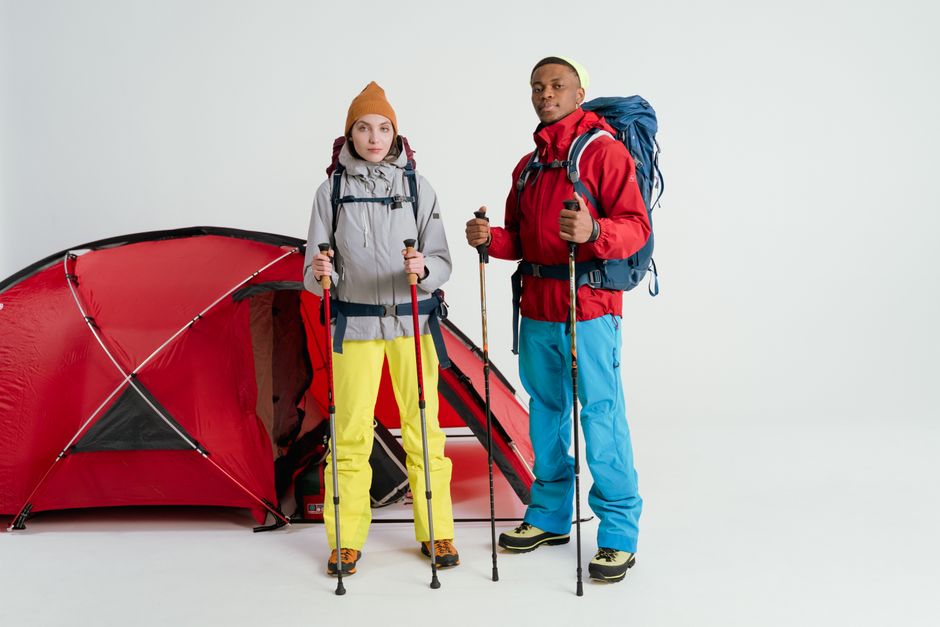
Photo by Tima Miroshnichenko via Pexels
Wash cold: Hot water causes cotton fleece to shrink and lose shape over time. Cold wash preserves the fabric weight and fit.
Turn inside out: Washing inside out reduces pilling on the outside face of the fabric, where it matters most visually and for insulation.
Tumble dry low or hang dry: High heat causes shrinkage in natural fibre fleece. Hang dry or use low heat and remove while still slightly damp.
Avoid fabric softener: Fabric softener coats fibres and reduces the loft that makes fleece warm. Skip it for all your insulation layers.
A well-maintained premium fleece hoodie will last five to ten years of regular use. At that lifespan, the cost per wear of a quality garment drops well below that of cheaper alternatives you replace every season.
Frequently Asked Questions About Adventure Hoodies
Is a cotton hoodie suitable for hiking, or should I use synthetic fleece?
The traditional outdoor advice is that cotton kills, meaning wet cotton loses its insulating properties and can contribute to hypothermia. This is real and valid for serious backcountry environments where you are far from shelter. For day hiking in temperate conditions, a high-quality cotton fleece used as a mid layer under a shell performs well. The key is using it correctly as a mid layer rather than as your only layer in wet conditions. For alpine environments or expeditions, a synthetic mid layer that retains warmth when wet is the safer choice.
What weight fleece is best for hiking?
It depends on temperature range. Lightweight fleece at 200g/m2 or lower suits mild conditions and high-aerobic activities where you are generating significant heat. Midweight fleece at 300g/m2 (roughly 9oz) is the most versatile and covers the widest range of trail conditions. Heavyweight fleece suits cold camps and stationary use. Most hikers who want one hoodie for all conditions do best with midweight.
Can I wear a hoodie as my only layer on a hike?
In mild, dry, calm conditions, yes. On most summer day hikes below treeline in temperate climates, a hoodie over a base layer is enough. In wind, rain, or above a certain elevation, you will want a shell over it. The hoodie's primary limitation is that it provides no wind or rain protection, so any conditions with sustained wind or precipitation require an outer layer.
How do I choose between a zip-up hoodie and a pullover for hiking?
Pullovers are warmer for their weight because there is no zip to create a cold zone down the front. They also pack slightly smaller. Zip-ups offer more ventilation control, which is useful if you run warm or are doing high-intensity activity. For most hiking use, a pullover is the more versatile choice. For activity that involves significant intensity variation, a zip-up lets you manage temperature more precisely.
Is a hoodie enough warmth for camping in cold weather?
A 9oz fleece hoodie is a solid mid layer for camping in cool to cold conditions, but in genuinely cold temperatures, say below 5C, you will want it as the mid layer inside a puffy or insulated jacket rather than as the outer layer. At camp, where you are stationary and not generating body heat from movement, you need more insulation than you do on the move. The hoodie is an important piece of that system, not the whole system.
You Might Also Like
Wear it out there
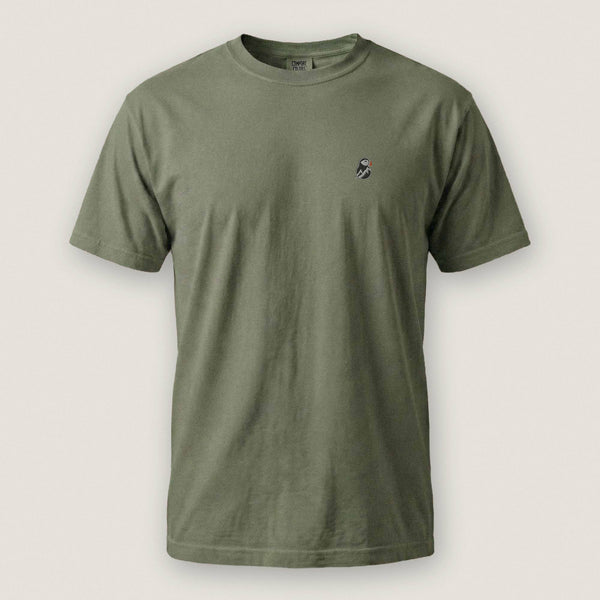
Simple
$75.99
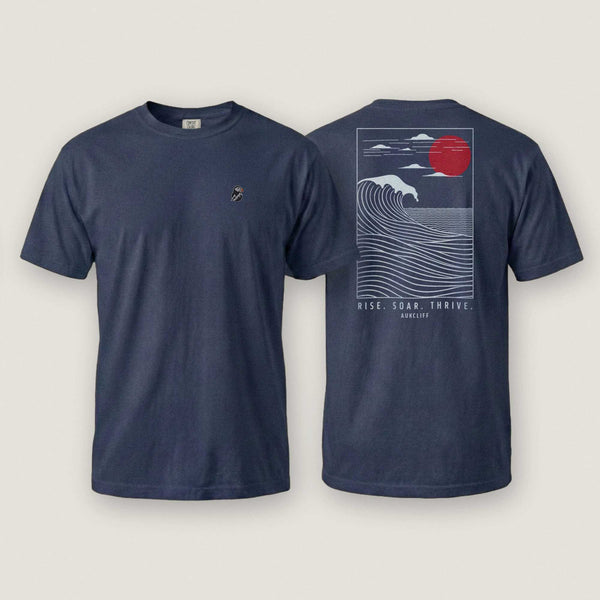
Coastal Waves
$101.99
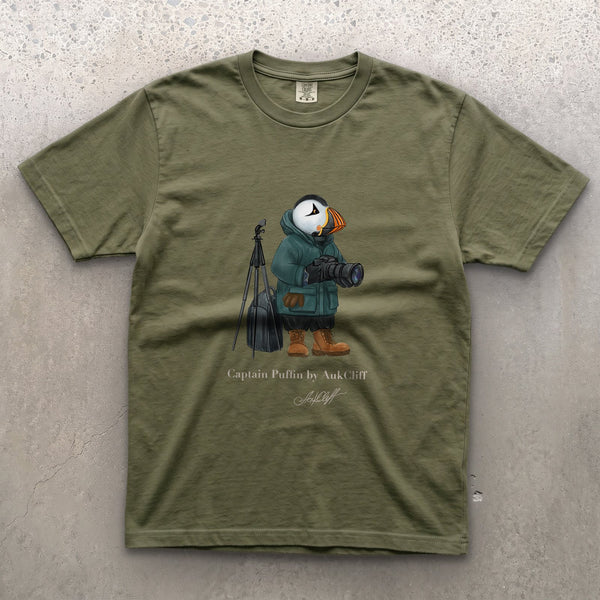
Captain Puffin Wildlife Photographer
$84.99
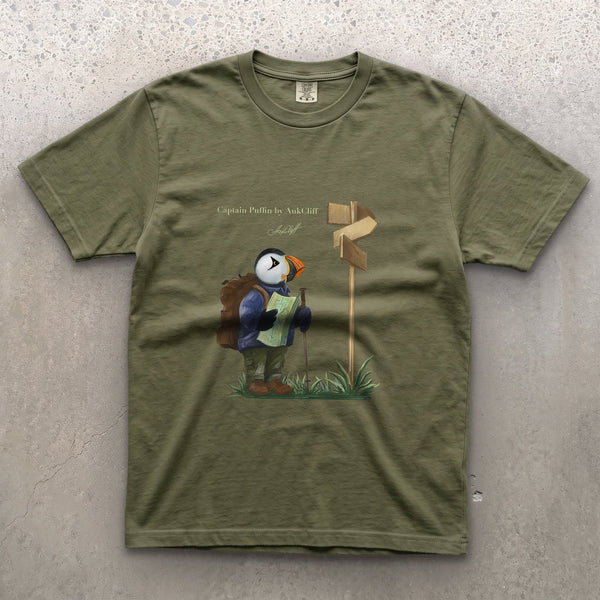
Captain Puffin Hiker
$84.99
Get the next one
New designs as they land, and the stories behind them. Unsubscribe in one click.