

If you've spent any time around ski resorts, you've heard the phrase. But the full meaning of apres ski goes considerably beyond drinking beer in ski boots. It's a culture with its own history, dress code, music, rituals, and economic weight. Understanding it properly makes the whole ski trip experience make more sense.
The Literal Meaning
Apres ski is French for "after ski." It refers to the social activities that take place after the lifts close, typically starting in the early to mid afternoon when skiers come off the mountain and moving through to the evening. The original concept is simple: you've been out in the cold working hard all day, and now you gather with other people to warm up, relax, and socialise before the evening.
In practice, apres ski can mean anything from a quiet beer on a sunny terrace to a full-scale outdoor dance party with DJs and crowds in ski boots. The spectrum is wide and the best destinations offer the full range.
Where Apres Ski Came From
The tradition has Scandinavian roots. Nordic skiers have gathered after ski touring for centuries, warming up in huts and farmhouses with food and drink. The formalised, resort-based version of apres ski as we know it today emerged in the French Alps in the 1950s according to OnTheSnow, as postwar prosperity brought more people to ski resorts and the infrastructure to support social life grew around the slopes.

The Austrian and Swiss Alps developed their own distinct traditions around the same period. Tyrolean music, particular drinks (Jagertee, Gluhwein, Sturm), and specific venues became embedded in resort culture. By the 1970s and 1980s, apres ski was a defined part of the ski holiday experience across Europe and North America.
Today the economics are substantial. Austria's winter sports tourism generated 12.5 billion euros in 2022, representing 6.2% of the country's GDP according to Statista. Research from Springer Nature found that ski area municipalities saw 34.2% higher taxable income growth than comparable areas without ski resorts. The social scene is not a side element of ski tourism; it is a significant part of what drives people to book the trips in the first place.
The Best Apres Ski Destinations
Not all resorts approach apres ski the same way. Some take it seriously enough that the off-mountain scene is genuinely a reason to choose the destination.
St Anton, Austria is widely considered to have the best apres ski in the Alps. The Mooserwirt, about 200 metres from the Galzig gondola bottom, operates as an outdoor dance venue from about 3pm onwards. It fills to capacity on any clear afternoon, with crowds that include everyone from serious skiers to people who seem to have come primarily for this moment. The Krazy Kanguruh nearby has operated since the 1960s and maintains a particular energy that newer venues rarely match. St Anton also has serious skiing, which makes the combination work.
Ischgl, Austria is a smaller village that punches well above its weight. The resort runs outdoor concerts at season opening and closing that have featured artists including Elton John, Kylie Minogue, and Robbie Williams. The Pacha Ischgl is a proper nightclub rather than a converted ski bar. Ischgl draws a European crowd that comes specifically for the combination of good skiing and committed nightlife.
Chamonix, France offers a different character. The Chamonix valley has a working town feel rather than the purpose-built resort atmosphere of Ischgl or St Anton. Apres ski here is spread across a genuine town with its own identity. The Chambre Neuf bar has live music most nights and is the place most skiers end up. The mix of serious mountaineers, ski tourers, and resort skiers gives Chamonix's social scene a grittier texture than the polished Austrian alternatives.
Whistler, Canada is North America's version of the apres ski capital. Skiers move from the Garibaldi Lift Company or Longhorn Saloon at the base of the mountain through the Village to any of a dozen venues. Whistler's après scene runs later and louder than most European equivalents, and the Village layout means it's easy to move between places. US ski areas recorded 61.5 million skier visits in the 2024-25 season according to the National Ski Areas Association, with average daily on-mountain spending of $250, and significant apres ski spending contributes to that figure.
Verbier, Switzerland is the most expensive resort on this list and knows it. The Farm Club and Farinet are long-established institutions. The crowd tends toward the wealthy European and international. But the skiing around Verbier is exceptional and the combination of high-altitude terrain and a functioning social scene makes it one of the best overall experiences in the Alps for the right budget.
The Food and Drink Traditions
Each alpine country has its own apres ski drinks. In Austria, Jagertee is the default: a hot punch made with black tea, rum, and spices, served in a heavy ceramic mug. Gluhwein (mulled wine) is universal across the Alps. In Switzerland, Bombardino is popular, a hot drink made with advocaat and brandy, topped with cream. In France, vin chaud is the equivalent of Gluhwein but tends to be slightly drier.
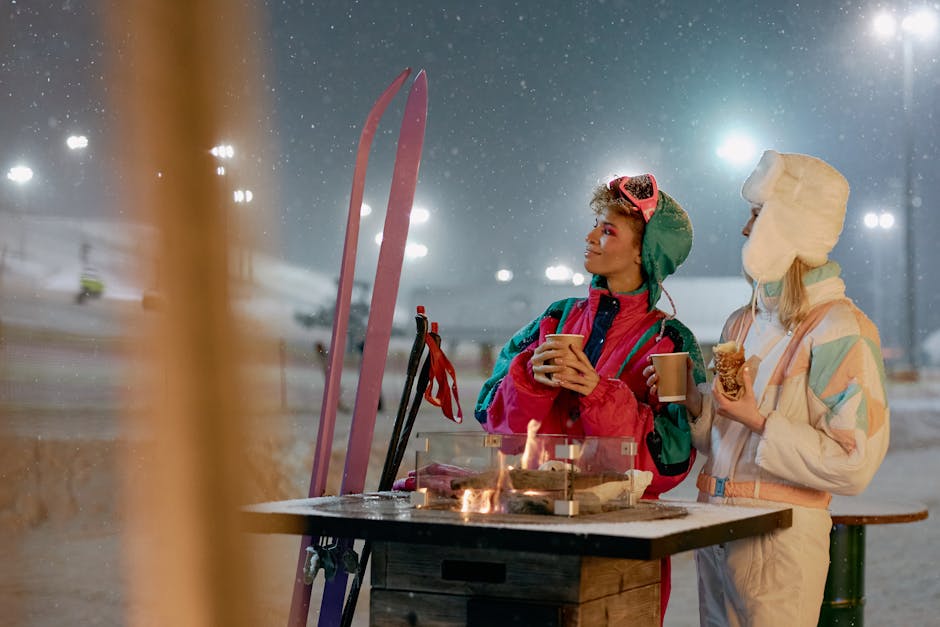
Photo by cottonbro studio via Pexels
Food is equally specific. Austrian Kasespatzle (cheese noodles), Swiss raclette and fondue, and French tartiflette all show up consistently in mountain huts and resort restaurants. The common thread is rich, high-calorie food that makes sense after a day burning energy at altitude in the cold. Nobody is ordering a salad at 4pm in a ski resort.
What to Wear for Apres Ski
The apres ski dress code exists somewhere between technical ski clothing and casual evening wear, and different resorts have different norms. At St Anton and Ischgl, many people don't change at all: ski pants, boots, and a warm mid-layer are standard from the mountain directly to the bar. The Captain Puffin Trail Apres Sweatshirt or the Captain Puffin Retro Ski Sweatshirt in premium 9oz fleece sits exactly in this zone: warm, comfortable, and appropriate for moving between the mountain and a bar table without looking out of place in either.
At Verbier and Chamonix, the evening scene is slightly more dressed up. People change out of ski pants before dinner. A good hoodie or sweatshirt over clean trousers works well. The Captain Puffin Wildlife Photographer Sweatshirt is one of those pieces that reads as genuinely designed rather than generic, which matters in settings where people notice what others are wearing. The Captain Puffin artwork is hand-drawn by artist Maria, which gives it a character that mass-produced resort merchandise doesn't have.
The consistent requirement across all apres ski settings is warmth. Even on sunny terrace afternoons, temperatures drop quickly at altitude once the sun dips behind the mountains. Whatever you're wearing needs to handle that transition. The AukCliff Logo Hoodie works well as that transitional layer between the mountain and the evening.
Browse the full range at Hoodies and Sweatshirts for pieces built for exactly this kind of environment.
Apres Ski Beyond the Alps
The apres ski tradition has spread to every major ski destination. Japan's Niseko has developed a strong après scene influenced by Australian expats and international visitors. The onsen (hot spring bath) culture combines naturally with the warming-down ritual of après ski. New Zealand's Queenstown, near the Remarkables and Coronet Peak, has a dedicated après scene in the town's bars that runs from late afternoon well into the night.
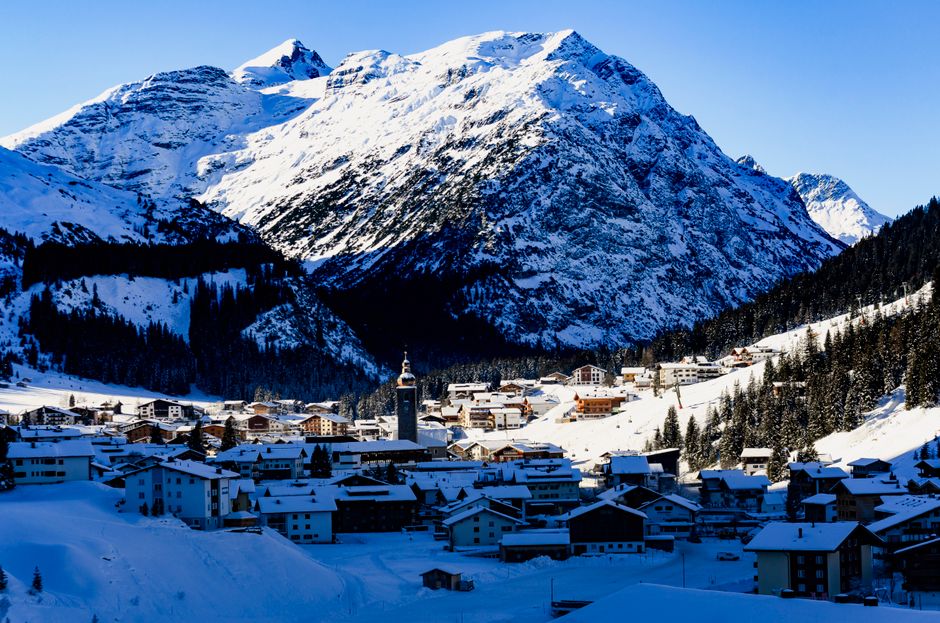
Photo by Harry Dona via Pexels
North American resorts have their own distinct cultures. Jackson Hole's Mangy Moose has been operating for decades. Aspen's Ajax Tavern sits directly at the base of the gondola. Telluride's compressed mountain village means the transition from slope to bar is a matter of metres rather than minutes. Each place has adapted the core idea to its own geography and culture.
Why Apres Ski Matters
There's a reason this tradition has persisted for seventy years and spread across every ski culture on earth. Mountain sports involve genuine effort and real risk. Coming off the mountain at the end of the day and gathering with other people who've been out in the same conditions creates a specific kind of social bond. The shared reference points (the conditions on the top chair, that run someone mentioned, the near-miss in the moguls) make for better conversation than almost any other setting.
Apres ski at its best is less about drinking and more about the transition from the focused, physical state of skiing to the relaxed, social state of the evening. The food, the warm drinks, the outdoor terraces in the fading afternoon sun: all of it serves that function. The best resorts understand this and design spaces around it deliberately.
Frequently Asked Questions
When does apres ski start and end?
Apres ski typically begins when the lifts close, usually between 4pm and 5pm depending on the resort and season. The most social hour is generally 4pm to 6pm on sunny terrace bars near the base. The transition to evening dining tends to happen around 7pm to 8pm. In resorts with a strong nightlife scene, things continue well beyond midnight, but the classic apres ski window is the late afternoon.
Is apres ski the same everywhere?
No. Austrian and Swiss resorts tend toward outdoor terraces, live music, and particular regional drinks. French resorts have a more relaxed, town-based social scene. North American resorts are generally louder and more casual. Japanese resorts have their own traditions that incorporate onsen culture. The common thread is gathering after skiing to warm up and socialise, but the specific form varies considerably.
Do I need to change clothes for apres ski?
In most resorts, no. The convention is to come directly from the mountain, and ski pants and boots are entirely normal in any apres ski venue. For evening dinner at better restaurants, most people do change into casual clothes. The key is a warm, versatile layer that works in both contexts, which is why a good heavyweight hoodie is the most practical apres ski garment for most trips.
What is the best resort for apres ski in Europe?
St Anton in Austria consistently ranks highest for the intensity and quality of its apres ski scene, with Ischgl close behind. For a more varied experience that includes a genuine town culture alongside the skiing, Chamonix in France and Verbier in Switzerland are strong alternatives. The best choice depends on whether you want a dedicated apres ski resort or a more integrated mountain town experience.
Is apres ski expensive?
Prices vary significantly by resort and venue. Austrian mountain bars are generally more affordable than Swiss or French equivalents. Cocktails and craft beer at the base of a Verbier or Courchevel run will cost considerably more than a Jagertee in a Tyrolean mountain hut. Setting a daily apres budget before you go helps, as the costs add up quickly across a week, particularly in premium resorts.


