
Arches National Park Backpacking Checklist
Arches National Park is one of the most photographed places in the American West, which means the popular spots are genuinely crowded for most of the year. Annual visitation grew by 74% between 2011 and 2021, peaking at 1.8 million visitors, and the timed-entry permit system introduced in 2022 has since stabilised numbers to around 1.46 million in 2024, according to the National Park Service. But the park covers 310 square kilometres, and once you're beyond the paved road and the main viewpoints, you can go hours without seeing another person. Backpacking in Arches requires specific preparation. The desert environment is unforgiving in ways that differ completely from mountain or forest camping.
This guide covers what you need to know before you go, organised around the questions that matter most: permits, timing, water, gear, and what to wear when it's 40°C and the sun is reflecting off red sandstone in every direction.
Getting Your Permits
Arches has limited backpacking permits. The park issues a small number of overnight permits per day to protect the desert ecosystem and manage user impact. As of 2024, permits are available through Recreation.gov and cost $10 per permit plus the standard park entrance fee ($35 per vehicle, valid for seven days).
The permit system operates with a mix of advance reservations and walk-up permits. Advance permits for popular windows (spring and fall) are competitive and should be booked as early as the system allows (typically six months out). Walk-up permits are available at the visitor centre from 7am the day before your planned backpacking date. In shoulder season (November, February, early March), walk-up permits are often available without much competition.
There are no designated backcountry campsites in Arches. You camp at least 500 feet from any road, trail, or arch, and at least one mile from any paved road. Rangers patrol the backcountry and check permits. Camping in unauthorised areas results in fines. Read the park's backcountry regulations before you go, not after you arrive.
When to Go: The Desert Season Calendar
March through May is the classic season for Arches. Daytime temperatures are typically 15-25°C, nights are cool but manageable, and the spring wildflower bloom on the desert floor can be spectacular. This is also when the park is at peak crowdedness. Trailhead parking at popular spots like Devils Garden fills before 8am on weekends in April.

September and October offer similar temperatures and noticeably fewer people. The light in autumn is warmer and lower, which is better for photography if that's part of why you're there. October nights can drop to near freezing, so your sleeping bag rating matters.
Summer (June through August) is genuinely extreme. Daytime temperatures regularly exceed 40°C, and in July 2024 a park ranger recorded a surface temperature of 149.4°F on a rock formation in the park, according to NPS safety records. The sun on reflective red sandstone compounds this significantly. Experienced desert backpackers do go in summer, but it requires night hiking (start at 4am, camp by 10am, rest through the midday heat, move again after 5pm) and very careful water management. It's not the right season for a first visit.
Winter is possible and often beautiful, with dramatic light and few visitors, but overnight temperatures drop well below freezing and sudden snowstorms are possible. Ensure your gear is rated for the conditions.
Water Management in the Desert
Water is the central planning constraint for any Arches backpacking trip. There is no reliable surface water in the park backcountry. You carry everything you need from the trailhead, or you don't go. NPS rangers respond to hundreds of search and rescue incidents at Arches every year, many involving heat exhaustion and dehydration. Rangers recommend visitors consume a gallon of water or more per day, and that recommendation is based on real incident patterns, not precautionary excess.
The standard guidance for desert hiking is 500-700ml of water per hour of active hiking in moderate temperatures. In summer heat, that can exceed one litre per hour. For a two-day trip in spring, a solo hiker might need 8-10 litres of water. At roughly one kilogram per litre, water weight is the dominant factor in your pack.
Water caches are permitted in Arches and used by experienced desert backpackers for longer trips. If you're planning more than two days, research the cache system and plan drops. Pothole water (collected rainwater in sandstone depressions) can exist after recent rainfall but should be treated and cannot be relied upon. Do not plan your water around pothole availability.
Electrolyte replacement matters in the desert. Plain water rehydration can lead to hyponatraemia (low sodium) if you're drinking large volumes and sweating heavily. Electrolyte tablets or powder added to some of your water keeps your electrolyte balance correct. This is particularly important for summer or intense spring hiking.
The Formations: What You're Going to See
The park contains more than 2,000 natural arches, ranging from small windows in fins of sandstone to massive freestanding spans. A few are worth understanding before you arrive.
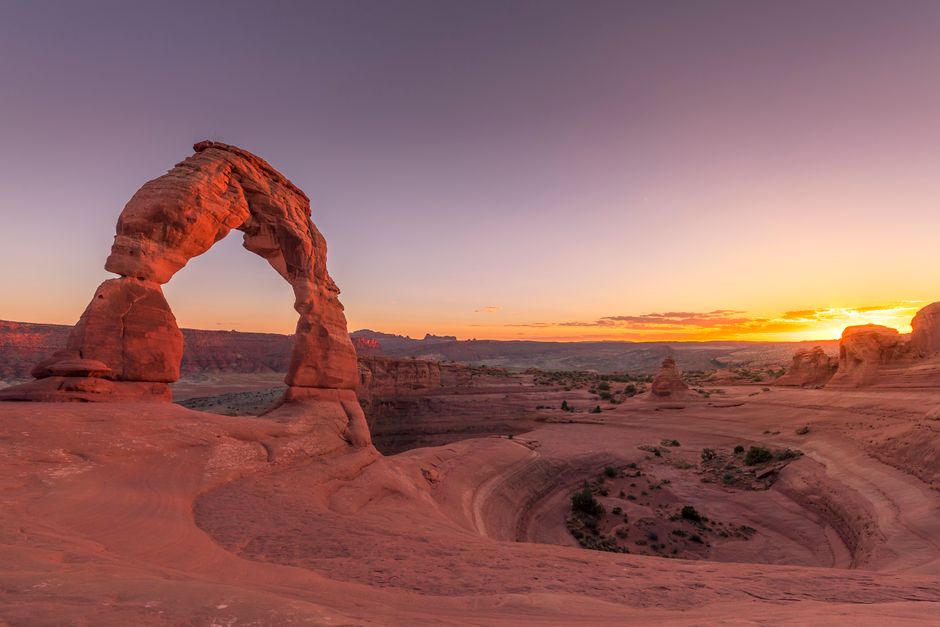
Photo by Ken Cheung via Pexels
Delicate Arch is the one on the Utah licence plate, a 20-metre freestanding arch reached by a 4.8km round-trip hike with 146 metres of elevation gain. It's not a backpacking destination, but most Arches visitors make the hike. Go at sunrise or sunset when the crowds are thinner and the light is better. Midday in summer at Delicate Arch is unpleasant and the arch photographs poorly in flat overhead light.
Landscape Arch in the Devils Garden area is one of the longest natural arches in the world at 88 metres span. In 1991, a 60-tonne rock slab fell from its underside. The trail beneath it is now closed for safety reasons, but the arch is visible from the side trail and the scale is genuinely impressive. The primitive loop trail through Devils Garden is the best backpacking route in the park, covering about 12km with multiple arches and genuine cross-country navigation through fins country.
Devils Garden is the primary backpacking area for good reason. It's the only trailhead in the park with developed camping facilities nearby (the campground), it accesses the largest concentration of arches, and the primitive section of the loop involves the kind of off-trail travel that rewards careful navigation and desert literacy.
Desert-Specific Gear That Matters
Standard three-season gear works in Arches with some specific additions. The following items are non-negotiable for any overnight trip.
Sun shelter. A freestanding trekking pole shelter or a dedicated desert tarp. In a desert with no trees, you need to be able to create shade wherever you camp. This is a rest and safety item, not optional.
Wide-brim hat. A trucker cap or baseball cap is adequate for casual hiking. For backpacking in the desert, a full brim hat that covers the back of the neck is significantly better. More on clothing below.
Trekking poles. On slickrock, trekking poles provide stability when your footing is uncertain and reduce knee impact on descents. In the desert, confidence on technical terrain is a safety matter.
Navigation. The Devils Garden primitive loop involves sections with no marked trail. Download the relevant topo maps to a navigation app (Gaia GPS or Caltopo work well) before you leave cell range. The park maps available at the visitor centre show the general route but lack the detail needed for confident off-trail navigation in fins country.
WAG bags. Human waste management is required in Arches backcountry. WAG bags (Waste Alleviation and Gelling bags) are available at the visitor centre. Pack out everything. This is not negotiable and it's not difficult.
For gear representing the spirit of high-desert exploration, the AukCliff Origin Collection was designed for exactly this kind of environment. The Peak Junkie Hoodie in 9oz cotton fleece is genuinely useful at desert night camp when temperatures drop, and it packs down smaller than most technical fleece options. Keep it in the top of your pack for the evening transition from hiking to camp.
What to Wear in Desert Heat
The outdoor industry recommendation for desert heat is light-coloured, loose-fitting, long-sleeved technical synthetic fabric. That's reasonable advice. It's also genuinely uncomfortable for a lot of people, and some desert hikers do perfectly well in well-ventilated cotton.
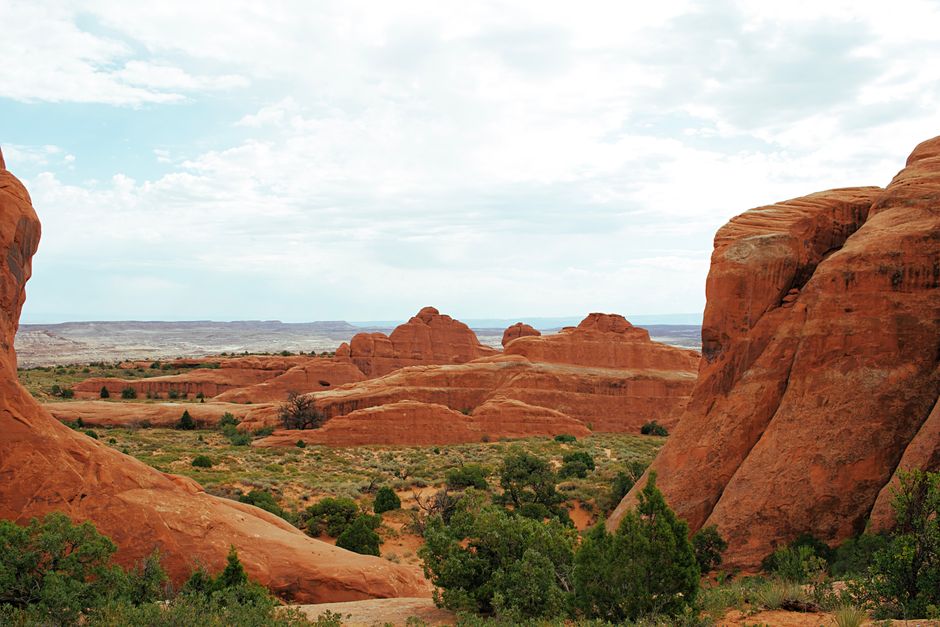
Photo by James Lee via Pexels
The critical variables are direct sun exposure and your sweat rate. Long sleeves in a loose weave block UV radiation more effectively than sunscreen on bare skin and don't require reapplication. In practice, most people end up with a combination: shorts or light trousers for the lower body, a UV-blocking shirt for the upper body, and sun protection for the face and neck.
The Raised on Peaks T-Shirt in the heavyweight cotton is a good camp shirt for the evening hours and for shorter morning hikes before the heat builds. The 6.1oz garment-dyed cotton doesn't cling in the heat the way thin jersey does, and it provides reasonable coverage for the upper body.
Footwear: trail runners work well in dry desert conditions and are preferred by most experienced desert hikers for their low weight and ground feel on slickrock. Ankle support from boots matters more if you're carrying a heavy pack over technical terrain. Whatever you choose, break it in thoroughly before a multi-day trip. Blisters in the desert are more serious than in wetter environments because of the dry air and higher temperatures.
The Complete Arches Backpacking Checklist
Planning and admin
- Backcountry permit (Recreation.gov)
- Park entrance fee or annual pass
- Downloaded topo maps for your route
- Emergency contact left with someone off-trail
Water
- Minimum 4 litres capacity per person
- Water cache pre-positioned if trip is longer than 2 days
- Electrolyte tablets or powder
- Water filter or purification tablets (backup for pothole water)
Sun protection
- Wide-brim hat or sun hat with neck protection
- SPF 50+ sunscreen, large tube
- SPF lip balm
- Sunglasses (polarised recommended for slickrock glare)
- Long-sleeved shirt option for midday sun
Shelter and sleep
- Freestanding tarp or pole shelter for daytime shade
- Tent or bivy rated for expected overnight temperatures
- Sleeping bag (shoulder season: 5°C rating; winter: -10°C or colder)
- Sleeping pad (R-value 3+ for comfort on cool desert nights)
Clothing
- Moisture-wicking hiking shirt
- Warm layer for evening/night (fleece or down)
- Wind layer
- Hiking trousers or shorts
- Warm camp socks
- Gaiters if navigating sandy desert floor sections
Navigation and safety
- GPS device or phone with downloaded maps (Gaia GPS, Caltopo)
- Paper topo map as backup
- Headlamp with spare batteries
- First aid kit including blister treatment
- Emergency whistle
- PLB or satellite communicator for remote routes
Leave No Trace
- WAG bags for human waste
- Small trowel (for cat holes if WAG bags run out)
- Pack-out bags for all waste including food scraps
The Trailblazer Puffin Embroidered Patch is a small addition that makes your pack yours. Hand-drawn by artist Maria, it marks the bag as belonging to someone who goes to places like this. An embroidered patch on a pack strap or hip belt is the kind of detail that catches other people's eye at the trailhead and usually starts a conversation.
Frequently Asked Questions
- Is Arches National Park good for beginner backpackers?
- In spring and fall conditions with proper preparation, yes. The terrain in the Devils Garden primitive loop is moderate, distances are manageable, and the park is accessible if something goes wrong. The critical factor is water management, which requires more careful planning than forest or mountain backpacking. Beginners should start with a one-night trip in spring or fall, not summer.
- How much water should I carry for a two-day trip?
- For spring conditions (15-25°C), plan on 4-5 litres per person per day of active hiking. A two-day trip with one overnight camp needs 8-10 litres per person as a minimum. In summer, that increases to 6-8 litres per day. Always carry more than you think you need, because there is no reliable water source in the Arches backcountry.
- Can I build a campfire at Arches?
- No. Campfires are not permitted in the Arches backcountry. This is a year-round rule, not a seasonal restriction. Use a canister stove for cooking. The fire ring you might find at a desert campsite in another park doesn't exist here.
- What animals should I be aware of in Arches?
- Rattlesnakes are present and active in warmer months. Look before you put your hands or feet into cracks, behind rocks, or under ledges. Scorpions inhabit the desert floor and can be found under rocks. Shake out your shoes in the morning before putting them on. Coyotes are present but rarely a concern. The more common wildlife issue in desert parks is rodents in camp chewing through food storage; use a hard-sided container or hang food where possible.
- Do I need a 4WD vehicle to access the park?
- The main park road is paved and accessible to all vehicles. Some trailheads and viewpoints are at the end of gravel or dirt roads that may require high clearance in wet conditions. For the Devils Garden trailhead (the main backpacking access point), a standard 2WD vehicle is fine on the paved road. If you plan to explore Salt Valley Road or other dirt road routes, check conditions at the visitor centre first.
Related Reading
Wear it out there
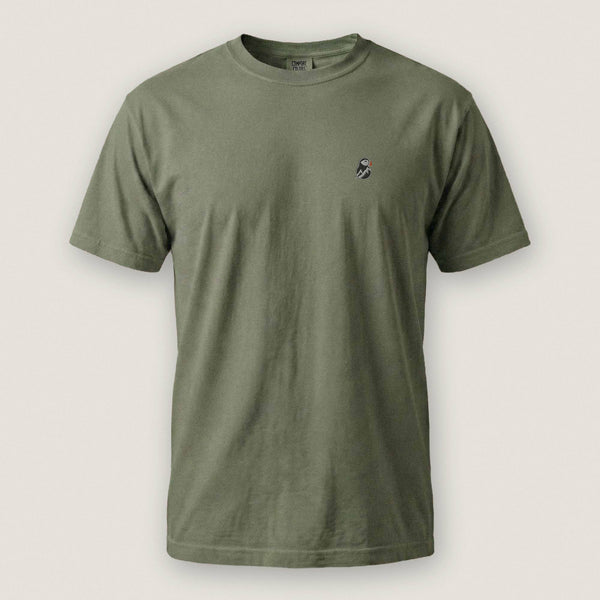
Simple
$75.99
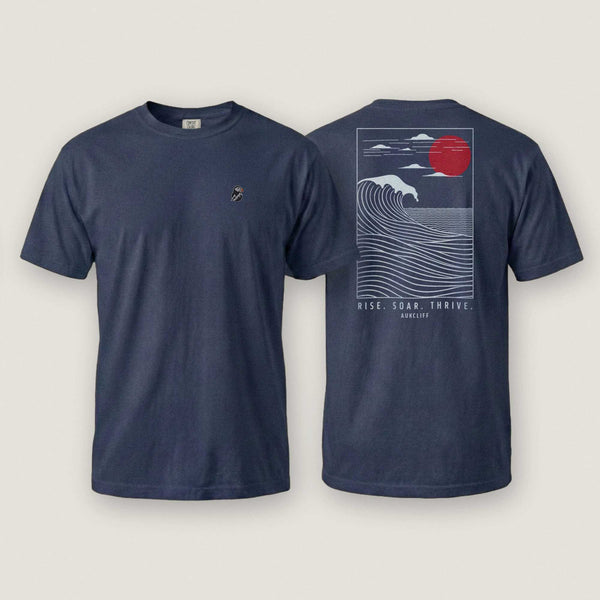
Coastal Waves
$101.99
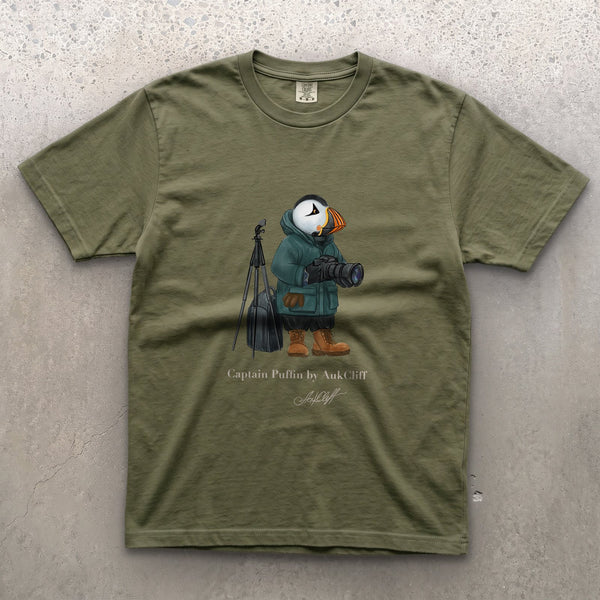
Captain Puffin Wildlife Photographer
$84.99

Captain Puffin Hiker
$84.99
Get the next one
New designs as they land, and the stories behind them. Unsubscribe in one click.