
Beginner Mountaineering: How to Start Climbing Mountains
Mountaineering is one of the fastest-growing outdoor pursuits in the world. The global mountaineering market hit $3.0 billion in 2024 and is projected to reach $5.5 billion by 2032 (FutureDataStats), driven by more than 35 million active climbers worldwide (IFSC). If you have been eyeing a summit and wondering where to begin, this guide breaks down exactly what mountaineering involves, which peaks suit beginners, how to prepare, and how to do it safely.
Mountaineering vs Hiking: What Is the Difference?
A lot of people use the terms interchangeably, but they describe different activities. Hiking means walking on established trails, typically without technical equipment. Mountaineering involves ascending mountains that require additional skills and gear: snow travel, glacier crossings, crampon and ice axe use, and sometimes fixed-rope or rock climbing techniques.
The line between the two is not always sharp. A mountain like Ben Nevis in Scotland is a straightforward hike in summer but a genuine mountaineering objective in winter, when ice axes and crampons are standard kit. The key distinction is whether the terrain or conditions require technical skills beyond walking. If the answer is yes, you are mountaineering.
Good First Mountains for Beginners
Choosing an appropriate first objective is one of the most important decisions you will make. These five peaks are widely recommended for people starting out:

- Ben Nevis, Scotland (1,345m), The highest peak in the British Isles. The tourist path (Pony Track) is a long but straightforward hike in summer. In winter it becomes a serious mountaineering route requiring full winter kit and experience.
- Snowdon, Wales (1,085m), Multiple routes of varying difficulty. The Pyg Track and Llanberis Path are accessible for fit beginners. A good introduction to mountain weather in the UK.
- Mount Washington, USA (1,917m), Located in New Hampshire, it holds one of the world's most extreme weather records at the summit. Summer ascents via the Tuckerman Ravine Trail are manageable for prepared hikers, but conditions can turn fast.
- Mount Kosciuszko, Australia (2,228m), Australia's highest peak. The walk from Charlotte Pass is gentle but gives you genuine high-altitude experience at the top end of what Australia offers.
- Mount Fuji, Japan (3,776m), The iconic stratovolcano is climbed by hundreds of thousands of people each year during the official July-September season. Altitude is the main challenge at this height. The Yoshida Trail is the most popular and well-serviced route.
All five give you real mountain experience without requiring advanced technical skills at beginner level. They also teach the fundamentals: reading weather, managing pace, dealing with altitude, and navigating changing conditions.
Essential Gear for Your First Climb
Gear requirements vary by peak, season, and conditions. That said, there is a core kit list that applies to almost every mountain objective:
- Boots, Stiff-soled mountaineering boots rated for crampons if you are heading onto snow or ice. Waterproof hiking boots for summer trail objectives.
- Crampons and ice axe, Required for any snowy or icy terrain. Learn to use them before you need them.
- Navigation, Map, compass, and GPS device. Phone GPS is unreliable in poor weather and drains battery fast in the cold.
- Headlamp, Many summit attempts start before dawn. Carry a spare set of batteries.
- Emergency shelter, A lightweight bivvy bag can save your life if you are caught out overnight.
- First aid kit, Include blister treatment, pain relief, and altitude medication if relevant.
- Layering system, Covered in detail in the clothing section below.
Do not over-buy on your first outing. Borrow or hire gear where possible until you know which direction you want to go. The expensive kit becomes worth it once you are doing it regularly.
Fitness Preparation: What You Actually Need
Mountaineering is physically demanding in ways that gym training alone does not replicate. The demands are sustained aerobic output, leg strength under load, and the ability to function when cold and tired. The best training is time on hills with a pack.
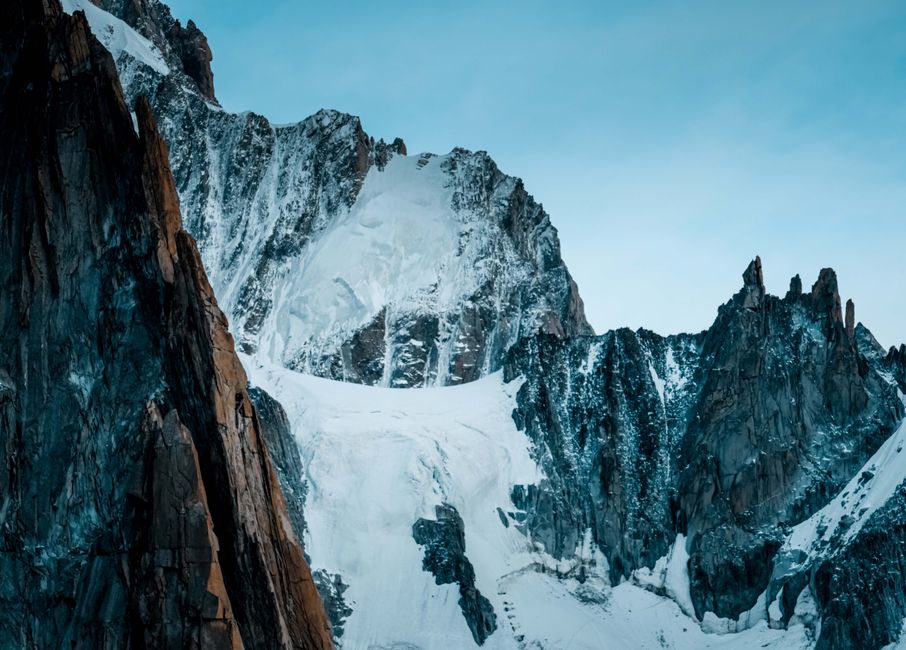
Photo by Francesco Ungaro via Pexels
A practical 12-week preparation plan for a beginner objective like Ben Nevis or Mount Washington:
- Weeks 1-4: Two to three hikes per week on any available terrain. Focus on accumulating elevation gain. Start with a light pack and add weight each week.
- Weeks 5-8: Introduce longer days (5-7 hours). One hike per week should be on rough, off-trail terrain if possible. Add stair climbing or step training if hills are not accessible.
- Weeks 9-12: Taper mileage, focus on one big day per week (8+ hours). Practice with your full kit including boots, pack weight, and layering system.
Strength training for the lower body, particularly single-leg exercises like step-ups and lunges, pays dividends on steep descents where most knee injuries occur.
Courses, Guides, and Learning the Skills
No amount of reading replaces hands-on instruction for technical mountaineering skills. If your target peak involves snow, glaciers, or ice, take a course before you go.
The main routes into structured learning:
- Climbing gyms, A natural first step for anyone new to vertical terrain. The climbing gym market is now worth $3.32 billion globally and growing at 9.3% annually (Grand View Research), which means accessible facilities exist in most major cities. Gym climbing builds movement skills and comfort at height.
- Mountaineering courses, Organisations like the British Mountaineering Council (BMC), American Alpine Club (AAC), and Mountain Training run structured courses from hill walking to winter mountaineering. A two-day winter skills course will teach crampon technique, ice axe arrest, and route planning.
- Guided ascents, For your first technical peak, going with a certified guide (IFMGA/UIAGM-qualified) is money well spent. You learn by doing, in real conditions, with someone who can manage risk in the moment.
The climbing community is generally welcoming to beginners. Local mountaineering clubs often run beginner days and mentorship programmes that are far cheaper than commercial guiding.
Layering for Altitude: What to Wear on the Mountain
Temperature drops roughly 6.5 degrees Celsius for every 1,000 metres of elevation gain. On a mountain like Mount Fuji, the summit can be 20 degrees colder than the trailhead. The layering system exists to manage this range efficiently.
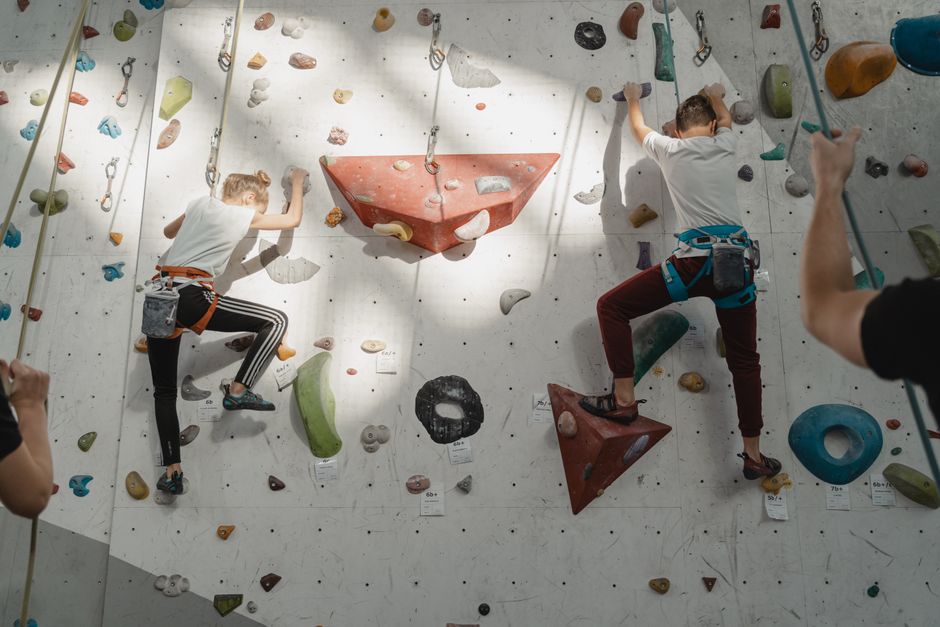
Photo by Tima Miroshnichenko via Pexels
The standard three-layer approach:
- Base layer, Merino wool or synthetic. Moves sweat away from your skin. Never cotton, which stays wet and accelerates heat loss.
- Mid layer, Fleece or insulated jacket. Traps warmth. Should be easy to remove when you are working hard on the ascent.
- Outer layer, Waterproof and windproof shell. Protects against precipitation and wind chill at exposed ridges and summits.
The principle is simple: add layers when you stop, remove them before you overheat and start sweating heavily. Wet base layers in cold conditions are a fast route to hypothermia.
For base camp and recovery, a quality hoodie earns its place. The Peak Junkie Hoodie and Embrace The Mountain Call Hoodie from AukCliff are designed in New Zealand and carry the kind of mountain mentality that goes with the territory. The Captain Puffin graphics are hand-drawn by artist Maria, not generated by AI, which gives them a character that mass-produced outdoor apparel rarely has. For a lighter option at lower elevations, the Life on the Edge T-Shirt and Raised on Peaks T-Shirt work well at trailheads and in warmer conditions. Browse the full range in The Origin Collection.
Safety and Risk Management
Mountaineering carries genuine risk, and understanding that risk is part of the activity. Since 1990, the fatality rate on Everest has held at approximately 1% of summit attempts despite summit success rates more than doubling over the same period (University of Washington / PLOS ONE). That improvement is almost entirely attributable to better preparation, improved weather forecasting, and more systematic use of guides and fixed ropes.
The same principles apply at every level:
- Check weather before you go, and again at the trailhead. Mountain weather moves faster than valley weather. A clear morning can become a whiteout by midday.
- Set a turn-around time and stick to it. Most mountaineering accidents happen on descent, and most happen because people pushed past their planned turn-around to reach the summit. The mountain will be there again.
- Tell someone your plan. Leave a full route plan with a contact who knows to call mountain rescue if you are not back by a specified time.
- Know the signs of altitude sickness. Above 2,500 metres, symptoms like headache, nausea, and fatigue signal acute mountain sickness (AMS). The treatment is descent. Never ascend if symptoms are present.
- Travel with others. Solo mountaineering amplifies risk significantly. At minimum, go with one other person who has equivalent or greater experience.
Risk in mountaineering is manageable, not eliminable. The goal is to make informed decisions with good information, appropriate skills, and the willingness to turn back when conditions change.
Frequently Asked Questions
Do I need climbing experience before I start mountaineering?
Not necessarily, but it helps. For summer routes on beginner-friendly peaks like Snowdon or Kosciuszko, strong hiking fitness and basic navigation skills are sufficient. For anything involving snow, ice, or glaciers, take a formal course first. Climbing gym experience builds useful movement skills and comfort with exposure before you commit to a technical route.
How fit do I need to be for my first mountain?
Fit enough to sustain 6-8 hours of uphill walking with a 10-12kg pack. If you can comfortably hike for 4-5 hours on local trails, you have a foundation to build on. A structured 10-12 week training block focused on hill walking with a loaded pack is the most effective preparation. Gym fitness alone is not a substitute for time on terrain.
What is the best first mountaineering course to take?
A winter skills or mountain skills course run by a certified provider (BMC in the UK, AAC in the US, or equivalent national body) is the standard entry point. A two to three day course covering crampon use, ice axe arrest, navigation in poor visibility, and weather assessment gives you the foundation for the majority of beginner objectives. In-country options are available close to most major mountain ranges.
Can I rent mountaineering gear rather than buy it?
Yes, and it is the sensible approach for a first trip. Crampons, ice axes, harnesses, and helmets are widely available for hire at gear shops near major mountain areas. Boots are more personal (fit matters a lot for comfort and blister prevention), so many people buy boots first and hire the rest. Once you are going regularly, investing in your own kit makes sense.
How dangerous is mountaineering for beginners?
On well-chosen beginner routes, in good conditions, with proper preparation, the risks are manageable. The majority of serious accidents involve inexperience, poor weather decisions, or attempting routes above current skill level. Staying within your current ability, going with experienced partners or a guide, and building skills progressively keeps risk at a level comparable to many other outdoor pursuits. The objective is to respect the mountain, not fear it.
You Might Also Like
Wear it out there
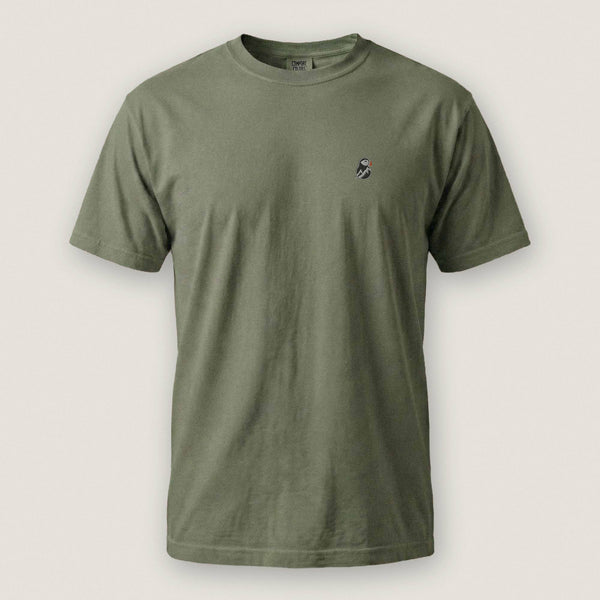
Simple
$75.99
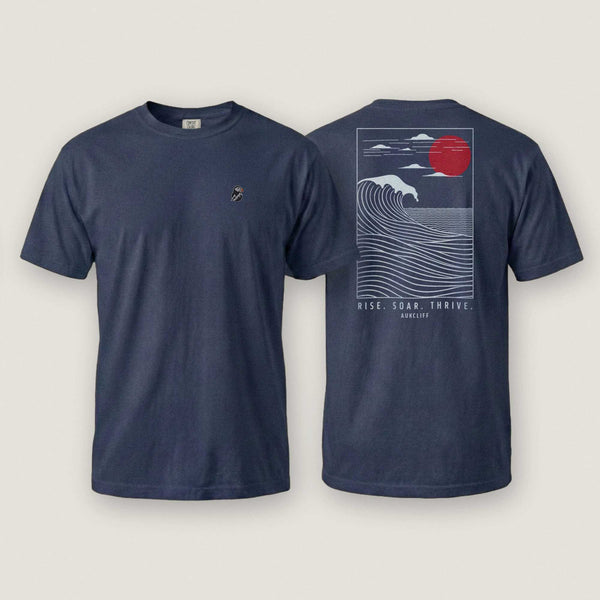
Coastal Waves
$101.99
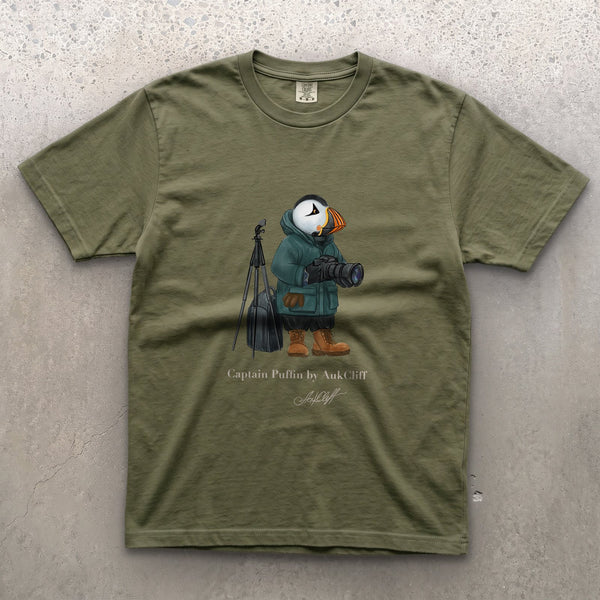
Captain Puffin Wildlife Photographer
$84.99

Captain Puffin Hiker
$84.99
Get the next one
New designs as they land, and the stories behind them. Unsubscribe in one click.