
Best Places to See Puffins in 2026: Iceland, Scotland & Norway Guide

Photo by Kevin Morgans
Finding where to see puffins in 2026 requires timing, location knowledge, and proper preparation. Iceland's Westman Islands, Scotland's Shetlands, and Norway's Lofotens offer the world's most spectacular puffin watching opportunities during their peak season from May through August.
2026 Puffin Season Calendar
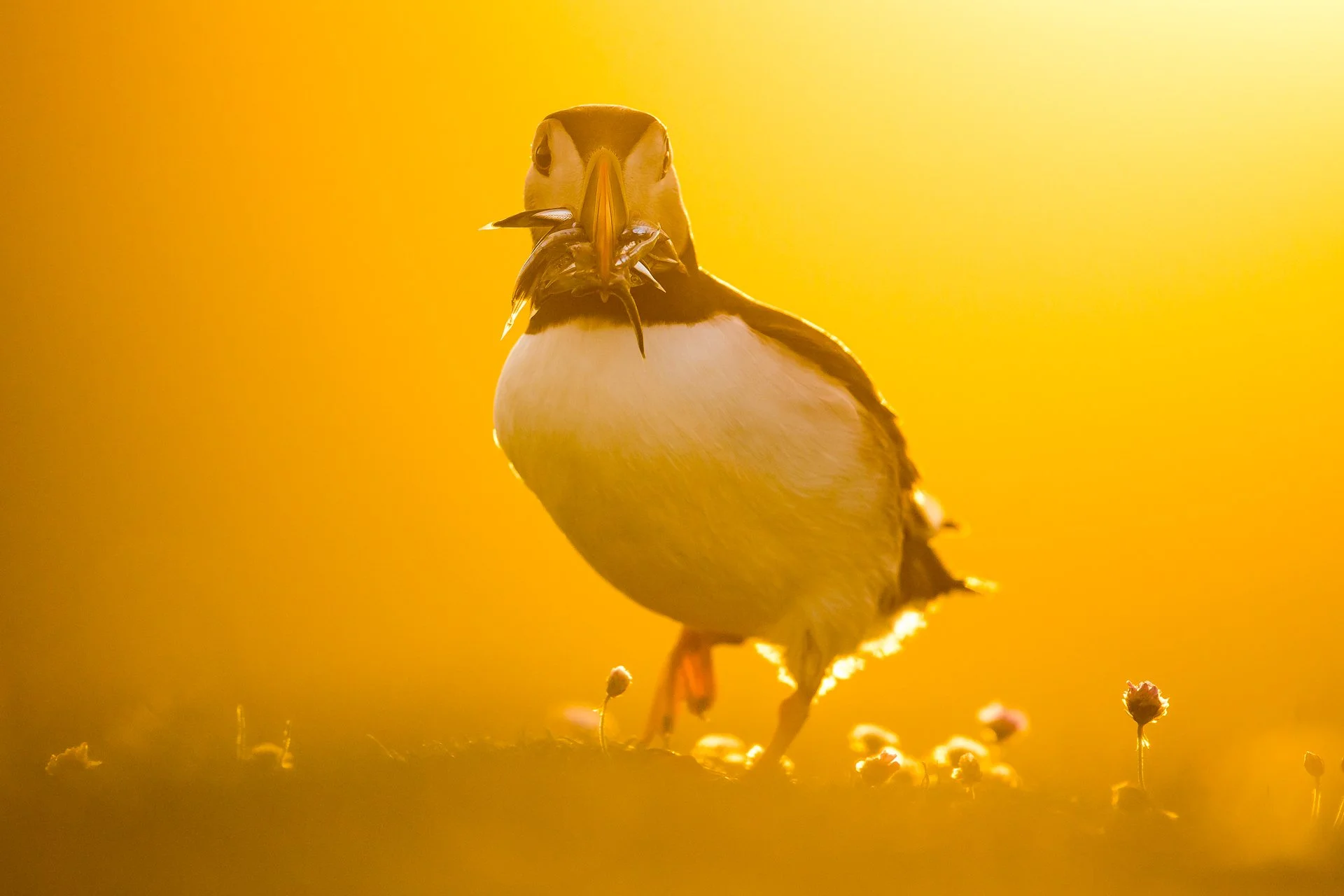
Photo by Kevin Morgans
The puffin watching season follows a predictable annual pattern across the North Atlantic. Puffins arrive at breeding colonies in late April and depart by early September, for a detailed breakdown of peak viewing windows by location, see our puffin season 2026 guide, with peak viewing between May 15 and August 15.
| Month | Iceland | Scotland | Norway | Activity Level |
|---|---|---|---|---|
| April | Late arrival | Early arrival | Late arrival | Low |
| May | Peak arrival | Breeding begins | Peak arrival | High |
| June | Breeding peak | Breeding peak | Breeding peak | Highest |
| July | Chick rearing | Chick rearing | Chick rearing | High |
| August | Departure begins | Fledging | Departure begins | Medium |
According to BirdLife International, approximately 12-14 million puffins breed across the North Atlantic, though populations are under growing pressure, read more about Atlantic puffin conservation, with 60% of the global population found in Iceland alone.
Top Puffin Watching Locations
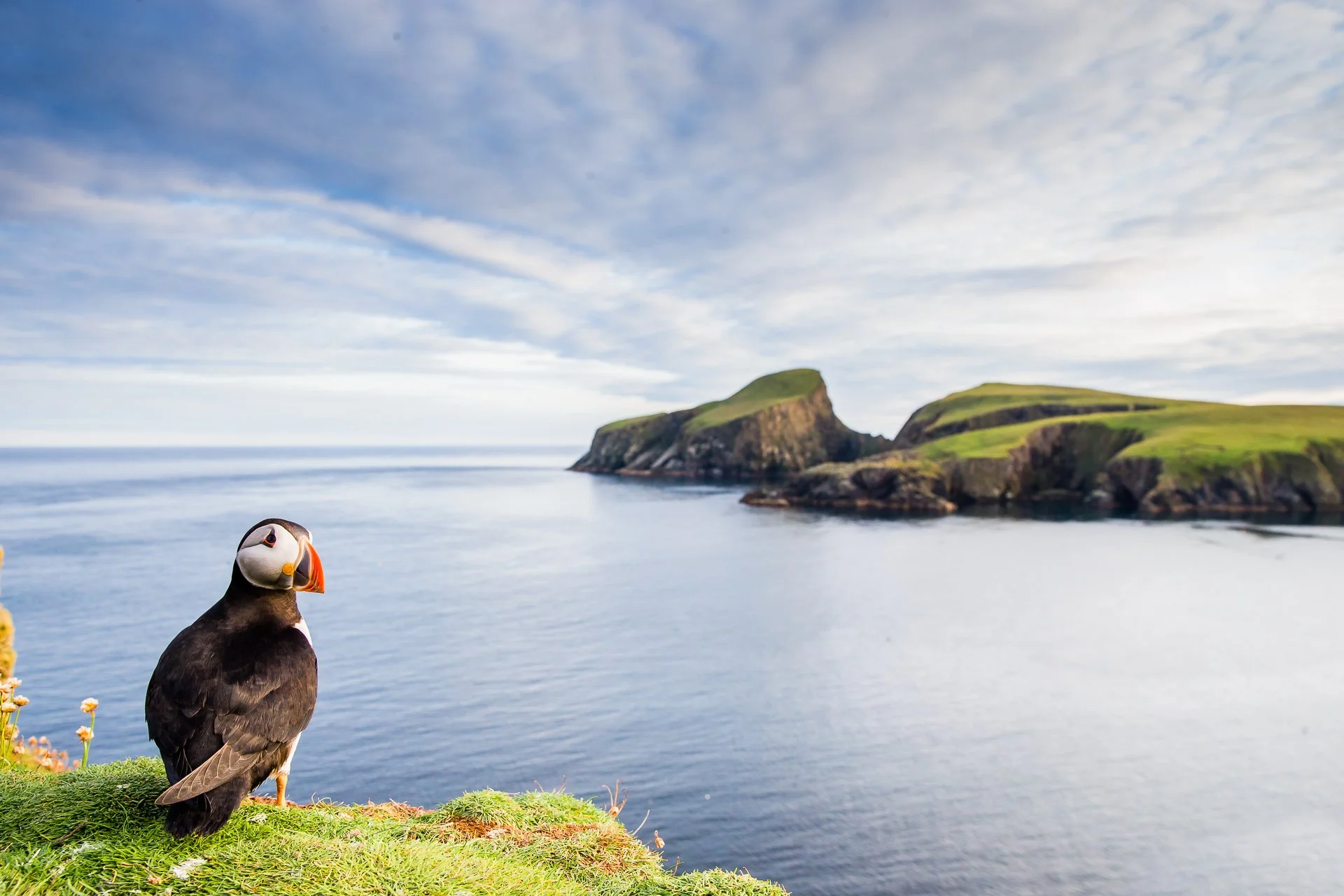
Photo by Kevin Morgans
Three countries dominate the global puffin watching scene, each offering unique advantages for spotting these distinctive seabirds.
Iceland Puffin Tours
Iceland hosts the world's largest puffin colonies, with the Westman Islands supporting over 1.1 million breeding pairs. Reykjavik serves as the departure point for most iceland puffin tours, offering boat excursions to Akurey and Lundey islands just 20 minutes offshore.
Best Iceland locations:
- Westman Islands (Heimaey) - largest colony globally
- Akurey Island - closest to Reykjavik
- Lundey Island - excellent photography opportunities
- Dyrhólaey Arch - mainland viewing possible
- Látrabjarg Cliffs - Europe's largest bird cliff
Scotland's Puffin Colonies
Scotland's remote islands provide intimate puffin encounters with fewer crowds than Iceland. The Shetland Islands and Orkney offer the most reliable viewing, while mainland Scotland's coastal cliffs provide accessible options.
Top Scottish puffin spots:
- Sumburgh Head, Shetland - walk-up viewing
- Bempton Cliffs, Yorkshire - mainland access
- Isle of May, Firth of Forth - boat tours available
- Handa Island, Northwest Highlands - pristine wilderness
- Rathlin Island, Northern Ireland - family-friendly
Norway's Arctic Puffins
Norway's Lofoten Islands and Svalbard archipelago offer dramatic Arctic settings for puffin photography. The midnight sun during peak season provides extraordinary lighting conditions unavailable elsewhere.
Premier Norwegian locations:
- Røst Islands, Lofoten - 25% of Norway's puffins
- Hornøya, Finnmark - northernmost major colony
- Runde Island, Møre og Romsdal - accessible by car
- Svalbard - expedition cruise destination
What to Wear Puffin Watching
Successful puffin watching requires layered clothing systems that handle unpredictable coastal weather while allowing freedom of movement for photography and cliff walking. See our full guide on what to wear birdwatching for the layering specifics.
Essential gear checklist:
- Base layer: Merino wool for temperature regulation
- Insulation layer: Lightweight down or synthetic fill
- Outer shell: Waterproof, breathable jacket
- Lower body: Quick-dry hiking pants
- Footwear: Non-slip hiking boots with ankle support
- Accessories: Warm hat, gloves, neck gaiter
Our Wildlife Photographer tee makes an excellent base layer choice, featuring Maria's hand-drawn Captain Puffin design that connects you with your subject.
Weather considerations by region:
- Iceland: Expect 5-15°C, frequent rain, strong winds
- Scotland: Range 8-18°C, moderate rain, variable conditions
- Norway: Arctic locations 0-10°C, potential snow even in summer
Photography Tips for Puffin Spotting
Capturing compelling puffin photographs requires understanding their behavior patterns and using appropriate camera settings for challenging coastal lighting conditions.
Camera Settings for Puffin Photography
Recommended settings:
- Shutter priority mode: 1/1000s minimum for flight shots
- Aperture: f/5.6-f/8 for sharp subjects with background separation
- ISO: Auto, up to 1600 for overcast conditions
- Focus mode: Continuous AF for tracking moving birds
- Metering: Spot metering to avoid white balance issues with bright beaks
Behavioral Photography Opportunities
Puffins exhibit predictable behaviors that create outstanding photo opportunities when properly anticipated.
Key behaviors to capture:
- Bill rattling: Courtship display with beaks touching
- Fish carrying: Adults return with multiple fish crosswise in beaks
- Cliff takeoffs: Puffins run along cliff edges before launching
- Preening: Detailed shots of colorful breeding plumage
- Burrow interactions: Parents feeding chicks at nest entrances
Ethical Wildlife Photography Guidelines
Responsible puffin photography protects breeding colonies while ensuring future generations can enjoy these remarkable seabirds.
Best practices:
- Maintain 5-meter minimum distance from nesting areas
- Avoid sudden movements that cause colony disturbance
- Use telephoto lenses rather than approaching closely
- Respect local guidelines and designated viewing areas
- Never use flash photography during breeding season
Captain Puffin Adventures
Captain Puffin's favorite spots combine spectacular wildlife viewing with the raw beauty of remote coastal environments that define the puffin experience.
These captain puffin adventures represent locations where the intersection of dramatic landscapes and wildlife abundance creates transformative outdoor experiences. Each destination demands respect for both the environment and the creatures that call these edges of the world home.
Heimaey Island, Iceland
The Westman Islands' main settlement sits surrounded by over one million breeding puffins during peak season. Walk from town directly to cliff-top viewing areas where puffins nest within arm's reach of designated paths.
Why Captain Puffin loves it: The contrast between human settlement and wild nature mirrors the puffin's own adaptability. These birds thrive on the edge between sea and land, just as adventurous humans find their best selves at the boundaries of the known world.
Sumburgh Head, Shetland
Scotland's northernmost major puffin colony offers walk-up access to cliff-edge viewing. The RSPB reserve provides well-maintained paths and hides for comfortable observation without disturbing nesting birds.
Captain Puffin's insight: Sumburgh represents accessible wilderness. You don't need expensive boat tours or extreme travel to witness one of nature's most compelling spectacles. Sometimes the best adventures wait just beyond your comfort zone.
Røst Islands, Lofoten
Norway's most remote puffin stronghold hosts 25% of the country's breeding population in an archipelago accessible only by helicopter or specialized boat. The midnight sun provides 24-hour photography opportunities during peak season.
The ultimate puffin destination: Røst demands commitment. The journey filters out casual observers, leaving only those willing to invest in authentic wilderness encounters. The puffins here exhibit behaviors rarely seen near human settlements.
Gear up for your puffin adventures with our complete Captain Puffin collection, designed by Maria to capture the spirit of these remarkable seabirds.
Planning Your 2026 Puffin Watching Trip
Successful puffin watching expeditions require advance booking, especially for peak season travel between June and July when breeding activity reaches maximum intensity.
Booking Timeline Recommendations
3-6 months ahead:
- Book accommodation in gateway cities (Reykjavik, Lerwick, Bodø)
- Reserve boat tours and specialized puffin excursions
- Arrange car rentals for mainland Scotland locations
1-3 months ahead:
- Monitor weather forecasts and adjust dates if possible
- Confirm gear requirements with tour operators
- Download offline maps for remote locations
Budget Considerations
Puffin watching costs vary dramatically by destination and travel style, from budget mainland Scotland trips to luxury Arctic expeditions.
Estimated daily costs (per person):
- Scotland mainland: £80-120 including accommodation and transport
- Iceland day tours: £150-250 including Reykjavik-based boat trips
- Norway Arctic expeditions: £300-500 for specialized remote access
Conservation and Responsible Tourism
Puffin populations face significant challenges from climate change, overfishing, and habitat disturbance, making responsible tourism practices essential for species conservation.
Recent studies indicate Atlantic puffin populations have declined by 10-15% over the past two decades, primarily due to changing ocean temperatures affecting their primary food sources. Responsible puffin watching supports local conservation efforts while minimizing human impact on breeding colonies.
How to be a responsible puffin watcher:
- Choose certified eco-tour operators with conservation partnerships
- Follow all local guidelines regarding viewing distances and group sizes
- Support organizations working on puffin habitat protection
- Share your experiences to inspire others to value these remarkable birds
- Consider visiting during shoulder seasons to reduce peak pressure
Frequently Asked Questions
When is the best time to see puffins in 2026?
The optimal puffin watching season runs from May 15 through August 15, with peak activity during June and July when breeding pairs are most active around colonies. Early June offers the best combination of arrival activity and favorable weather conditions.
Can you see puffins without taking a boat tour?
Yes, several locations offer excellent mainland puffin viewing. Scotland's Bempton Cliffs, Iceland's Dyrhólaey, and various Shetland locations provide walk-up access to puffin colonies without requiring boat transportation.
How close can you get to puffins safely?
Maintain a minimum 5-meter distance from puffin nesting areas to avoid disturbing breeding activities. Most established viewing areas provide optimal photography opportunities while respecting wildlife protection guidelines and natural behavior patterns.
What weather should I expect during puffin watching season?
Coastal puffin locations experience unpredictable weather with frequent rain, strong winds, and temperatures ranging from 5-18°C depending on location. Iceland tends to be coolest and windiest, while southern Scotland offers the most temperate conditions.
Do I need special photography equipment for puffin watching?
A telephoto lens (300mm minimum) is essential for quality puffin photography while maintaining appropriate distances. Waterproof camera protection, extra batteries, and fast memory cards handle challenging coastal conditions and high-activity shooting situations.
Ready to join the ranks of serious puffin watchers? Our Captain Puffin collection prepares you for any adventure where the wild calls. Where to see puffins in 2026 becomes less important than being properly equipped when you finally meet these remarkable seabirds on their own terms.
Last updated: 17 March 2026
Author: Stephen Milner, founder of AukCliff
Wear it out there

Simple
$75.99
Coastal Waves
$101.99

Captain Puffin Wildlife Photographer
$84.99

Captain Puffin Hiker
$84.99
Get the next one
New designs as they land, and the stories behind them. Unsubscribe in one click.