
Hiking the Black Forest: Germany's Most Beautiful Trail Region
The Black Forest (Schwarzwald) sits in the southwest corner of Germany, pressed against the French border and the Rhine valley. It's one of those regions that looks better in person than in photographs, which is saying something given how well it photographs. The combination of dense conifer forest, high open moorland, deep river gorges, and medieval villages produces a quality of hiking that holds up against anything in the Alps for atmosphere, even without the dramatic altitude.
The trail network here is one of the most extensive in Europe. Germany Travel reports 23,000 kilometres of marked hiking paths across the region, and the infrastructure supporting those paths (waymarking, huts, signage, public transport connections) is genuinely excellent. The region records 34.8 million tourist overnight stays annually and supports 300,000 direct and indirect tourism jobs according to the Schwarzwald Portal. It's a destination that takes its walking visitors seriously.
This guide focuses on the trails, the seasons, the practicalities, and what to expect if this is your first time in the Schwarzwald.
The Westweg: Germany's Oldest Long-Distance Trail
The Westweg runs 285 kilometres from Pforzheim in the north to Basel in Switzerland, crossing the length of the Black Forest along its western ridge. Founded in 1900, it's Germany's oldest long-distance trail and still one of the best. The route was established by the Black Forest Club (Schwarzwaldverein), which continues to maintain and waymark it today. The trademark symbol is a red diamond on white, painted onto trees and rocks throughout.
The full trail takes 10 to 14 days to complete, gaining and losing substantial elevation repeatedly as it crosses the ridge. The high points include Feldberg (1,493m, the highest summit in the Black Forest), the Belchen plateau with views across to the Alps on clear days, and the Blauen near the end of the route above Basel.
Most walkers section-hike the Westweg over multiple trips. The northern sections through the Middle Black Forest are more forested and enclosed. The southern sections open up into high moorland and offer the most dramatic views. If you're choosing one section, the stretch from Titisee-Neustadt to Schopfheim covers the best of the southern high country.
Schluchtensteig: The Gorge Trail
The Schluchtensteig (gorge path) is a 119-kilometre trail through the southern Black Forest that follows five distinct river gorges between Stuhlingen and Waldkirch. It's considered one of the most scenic walks in Germany and wins awards reliably. The trail is technically accessible but involves some steep descents into gorges and corresponding climbs back out, so it requires a reasonable fitness base.

The scenery is genuinely different from the high ridge routes. The gorges stay cool in summer, have a microclimate that produces lush vegetation, and feel remote despite being relatively accessible by public transport. The Wutachschlucht gorge (see below) is the best single section.
Wutachschlucht: The Grand Canyon of the Black Forest
The Wutach Gorge is the most dramatic single walk in the region. The river has cut a 30 to 70 metre deep gorge through limestone and gneiss, and the trail follows it for roughly 13 kilometres between Schattenmuhle and Rothaus. It's a day hike that requires some scrambling, wet rock crossings on stepping stones, and attention to the trail markings where the path narrows to a ledge above the river.
The geology is unusual for the Black Forest. The gorge exposes rock layers from different geological periods, and the ecosystem inside it is subtropical by German standards, supporting ferns, orchids, and tree species more common further south. Spring and early summer are the best times to walk it when the river is running well and the vegetation is dense.
Get there via Bonndorf on the Wutachtalbahn heritage railway if you can time it correctly. The logistics require a bit of planning to avoid a long road walk back to the start, but the return train option solves it neatly.
Feldberg: The Highest Summit and Best Day Walk
Feldberg at 1,493 metres is the highest point in the Black Forest and the highest summit in Germany outside the Alps. The summit area is a nature reserve with restricted access zones protecting black grouse habitat. The main circular trail around the summit plateau is 12 kilometres and well-marked, passing the Feldsee glacial lake and several viewpoints.
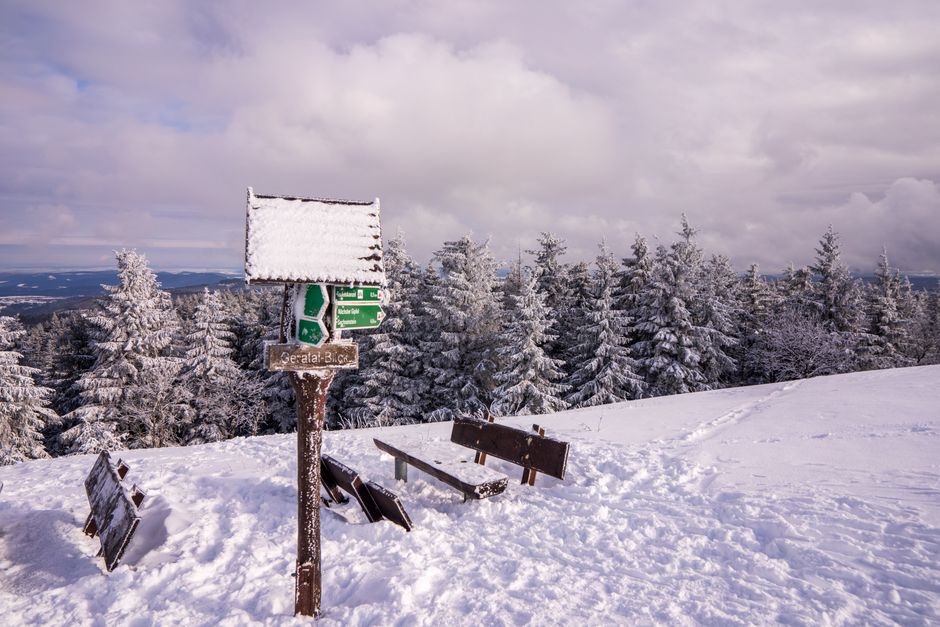
Photo by Sven Förter via Pexels
On a clear day from the summit, the Swiss Alps from Eiger to Mont Blanc are visible. That view doesn't happen often, but when it does it puts the Schwarzwald geography in sharp context. You're standing on the highest point of an ancient plateau that faces the Alps across the Rhine plain.
The Feldberg area has a cable car that operates in both summer and winter, which means the summit gets crowded on good-weather weekends. The best approach is to start early and head away from the cable car terminus quickly. The western and southern sections of the loop trail shed the crowds fast.
Seasons and What to Expect
The Black Forest has four genuinely distinct seasons. Spring (April to June) brings wildflowers, running streams, and fresh green growth in the forests. It's often wet, particularly at elevation, but the gorge trails are at their best. Summer (July to August) is warm and busy. The high plateau areas are busy on weekends. Midweek hiking is noticeably quieter. Autumn (September to October) has the best conditions: lower humidity, clear days, autumn colour on the deciduous sections, and thinner crowds. Winter (November to March) sees snow on the high ground and cross-country ski routes replacing some hiking paths. The Feldberg area gets reliable snow.
Baden-Wurttemberg records over 40 million annual overnight stays, making it Germany's second most visited state. That demand means accommodation in the Black Forest is well-developed but books out early in summer. Smaller villages and guesthouses are often better value and more characterful than the main resort towns.
Accommodation: Mountain Huts and Guesthouses
The Schwarzwaldverein operates a network of mountain huts along the main trails, including the Westweg. Most offer basic dormitory accommodation and meals. They're not like Alpine huts in terms of altitude, but the atmosphere is similar: walkers coming in off the trail, communal meals, early nights. Booking ahead is essential in summer months.
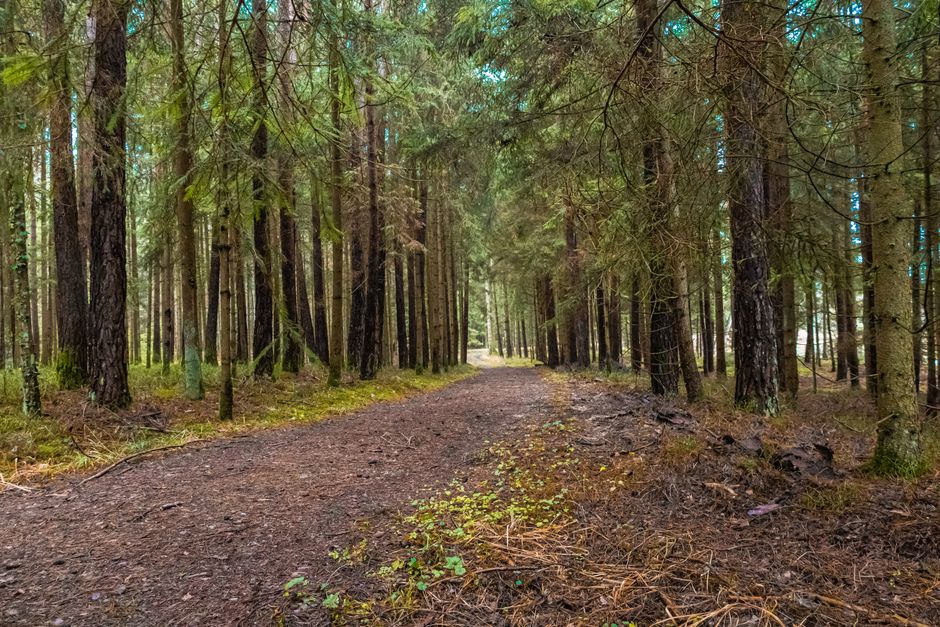
Photo by Georg Bergen via Pexels
The region also has a strong Gasthof tradition. Small family-run guesthouses in villages along the trail routes often offer dinner, bed, and breakfast packages that work well for multi-day walkers. Many will arrange luggage transfers to the next stop on the trail if you ask. The Black Forest is set up for walkers in a way that reflects over a century of trail tourism.
Food and the Black Forest Tradition
The food culture of the Schwarzwald is worth engaging with properly. The smoked Black Forest ham (Schwarzwalder Schinken) is genuinely different from the supermarket version sold internationally. It's cured over fir branches and cold-smoked. Buy it from a local butcher or deli, not a tourist shop. Black Forest cake (Schwarzwalder Kirschtorte) exists everywhere but varies enormously in quality. The version at a family Konditorei in a small town is a different thing from the version at a petrol station.
Game is common on menus throughout the region. Wild boar, venison, and local trout appear frequently. If you're walking through the hunting season (September to January), you'll hear shots in the forest. It's managed hunting, not alarming once you know the context.
What to Wear Hiking the Black Forest
The Black Forest is not an extreme mountain environment, but the weather changes quickly. Rain arrives without much warning, particularly at higher elevations. A waterproof layer is essential in any pack. The base layer and midlayer question depends on your travel calendar rather than the destination.
For the approach days and evenings in village guesthouses, a heavier cotton layer works well. The Mountain Adventure Hoodie in 9oz premium fleece handles cool evenings in the Black Forest well, and the garment-dyed construction means it looks good after multiple days of wear without special care. For trail days, the Embrace the Mountain Call Tee in 6.1oz garment-dyed cotton is the right weight for moderate temperatures.
The Peak Junkie Hoodie is worth considering for the Feldberg summit and the higher Westweg sections where the wind gets into anything not well-sealed. Browse the full Origin Collection for more options. All Captain Puffin artwork is hand-drawn by artist Maria and designed in New Zealand. The Life on the Edge T-Shirt adds a more trail-specific graphic to the same 6.1oz premium construction.
FAQ
How difficult is the Westweg long-distance trail?
The Westweg is rated as a moderate to strenuous walk. The southern sections cross high moorland with significant elevation gain and loss. It's not technical, but the daily stages require a solid fitness base and proper footwear. Most people walk it as a section hike over multiple trips rather than attempting the full 285km in one go.
Do I need a guide to hike the Black Forest?
No. The trail marking throughout the region is excellent. The Schwarzwaldverein waymarking system uses consistent symbols (red diamond for Westweg, blue diamond for Ostweg, etc.) that are reliably maintained. A detailed trail map from Freytag and Berndt or a downloaded offline map is all you need.
What is the best single day hike in the Black Forest?
The Wutachschlucht gorge walk is the most distinctive day hike in the region. The Feldberg loop is the best summit walk. If you want forest and village atmosphere rather than gorge or summit scenery, the Feldbergsteig between Todtnau and Titisee passes through some of the best traditional Black Forest landscape.
Is the Black Forest accessible from major German cities?
Yes. Freiburg is the main gateway city and is 1 hour from Stuttgart and 3 hours from Munich by train. Offenburg and Baden-Baden access the northern Black Forest. Most trailheads have public transport connections, which is unusual for a rural trail network of this scale.
When is the best time to hike the Black Forest?
Late May through June and September through October. The spring period has wildflowers and full rivers in the gorges. Autumn has the clearest air, best light for photography, and noticeably fewer visitors than summer. July and August are the busiest months but still very walkable if you start early and avoid popular spots on weekends.
You Might Also Like
Wear it out there
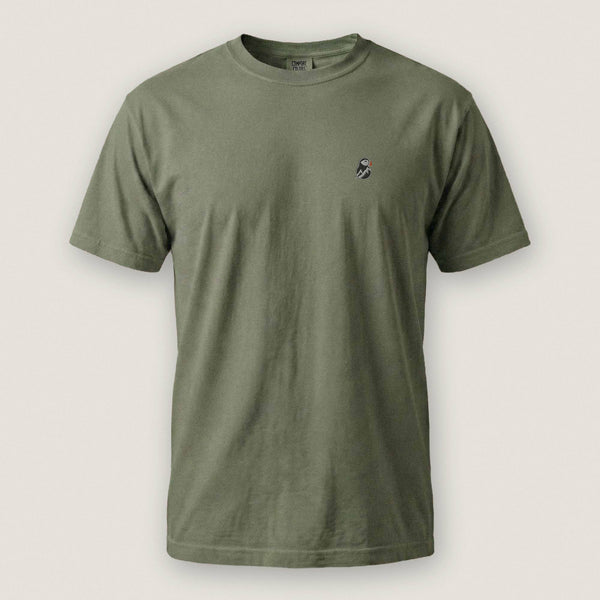
Simple
$75.99
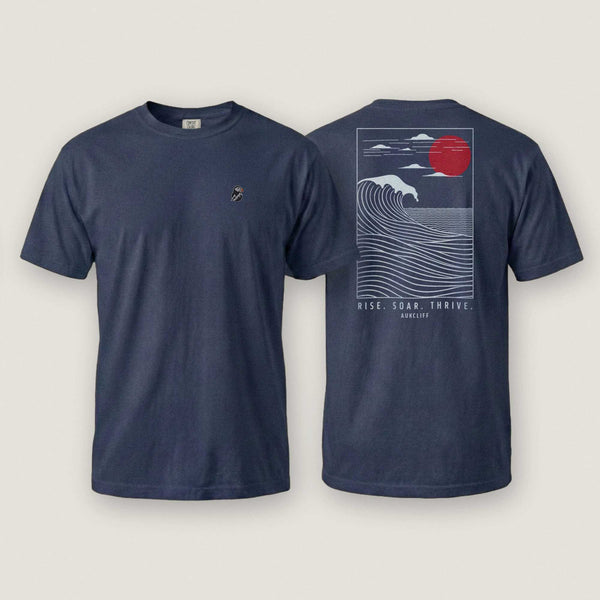
Coastal Waves
$101.99
Captain Puffin Wildlife Photographer
$84.99
Captain Puffin Hiker
$84.99
Get the next one
New designs as they land, and the stories behind them. Unsubscribe in one click.