
Coastal Lifestyle: Living Between the Shore and the Trail
Coastal areas hold more human density than almost any other environment. According to NOAA, 40% of the US population lives on less than 10% of the country's land area, the coastal zone. Globally, 1.4 billion overnight stays were recorded in European coastal regions in 2023 alone. The coast pulls people. It always has.
But there is a difference between living at the coast and living between the shore and the trail. The coastal lifestyle that outdoor people tend to gravitate toward is not about beach clubs or resort swimming pools. It is about knowing the tides, reading the swell, hiking the coastal track in the afternoon, and being the person who actually uses the environment rather than just looking at it from a restaurant deck.
This is a guide to that version of coastal living.
What Coastal Living Actually Means for Outdoor People
The coast is not one thing. Rocky headlands, sand beaches, estuaries, sea cliffs, dune systems, tidal flats. Each has its own character and its own outdoor pursuits. Coastal living for active people means rotating through them: surfing in the morning, coastal walking in the afternoon, kayaking an estuary at low tide in the evening. The variety is part of what makes it compelling.
It also means tolerating conditions that do not suit everyone. Salt in everything, gear that corrodes faster than inland, UV reflected off water, wind that shows up without warning and stays too long. These are not problems to be solved so much as conditions to be adapted to. The people who thrive in coastal environments learn quickly that marine-grade everything is worth the extra cost, and that clothing needs to handle salt, sun, and sudden cold without being retired after a single season.
The World's Best Coastal Destinations for Outdoor People
The Algarve in Portugal sits near the top of any serious list. The western section, from Sagres to Arrifana, has some of the most dramatic sea cliff walking in Europe. The GR11 coastal path runs the full length and mixes trail hiking with beach access and a few sections that require tide awareness to get through safely. The surf at Arrifana is good year-round. The water is cold even in summer.

New Zealand's Abel Tasman National Park is a consistently underrated coastal destination. The Abel Tasman Coast Track is 60 kilometres of trail through native bush between granite headlands and golden sand beaches with clear blue water between them. Most people walk it over three to five days, camping or staying in lodges. The water is calm enough for kayaking the whole route. It is genuinely stunning terrain.
Big Sur on the California coast is the benchmark for dramatic coastal scenery in North America. Highway 1 gets the credit, but the inland trail systems, Ventana Wilderness and the Ridge Trail network, give you the same views from above rather than at road level. Andrew Molera State Park and the coastal sections of Los Padres National Forest have trail systems that reward people willing to walk more than five minutes from the parking lot.
The Scottish Outer Hebrides, specifically the Uig Sands area on Lewis, is for people who want coastline that most tourists skip. White sand beaches, machair grassland, and Atlantic swells without another person in sight on most days. The weather is genuine, meaning rain is likely and wind is constant, but the quality of light when it comes through is unlike anywhere else.
Photography at the Coast
The coast is the photographer's environment. The light is constantly changing, the subject matter is dynamic, and the combination of land, water, and sky in the same frame gives you compositional opportunities that flat inland terrain cannot match.
Golden hour at the coast is longer than inland because low sun over water creates extended warm light without hard shadows. The hour after sunrise and the hour before sunset at the shore are worth prioritising over any other time. Tidal timing matters too. Low tide exposes rock pools, sand patterns, and tidal flats that disappear under two metres of water at high tide. Check tide charts before you plan a coastal photography session.
Salt spray is the main equipment threat. It settles on lenses invisibly and etches into glass coatings over time. Wipe lenses and filter rings after every coastal session. Keep a UV filter on for general shooting and remove it for critical shots. Rinse metal hardware with fresh water after serious spray exposure.
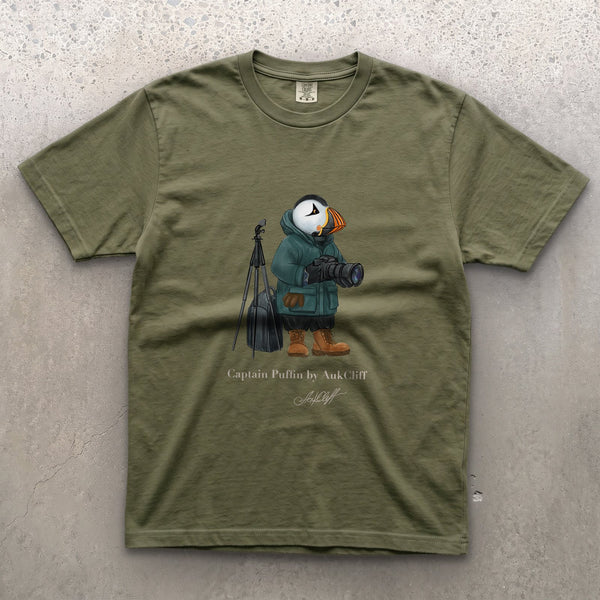
The Captain Puffin Wildlife Photographer character resonates here. The hand-drawn artwork by artist Maria captures something real about the obsession of getting the shot, the willingness to stand in surf or lie in wet sand for the right angle. The Captain Puffin Wildlife Photographer T-Shirt is worn by people who understand that reference without needing it explained.
Clothing for Coastal Conditions
Salt, UV, and wind form the three-part problem that coastal clothing has to solve. Most gear built for inland mountains does not account for salt's corrosive properties, UV intensity that reflects off water at twice the level it hits from above, or wind that is persistent rather than gusty.
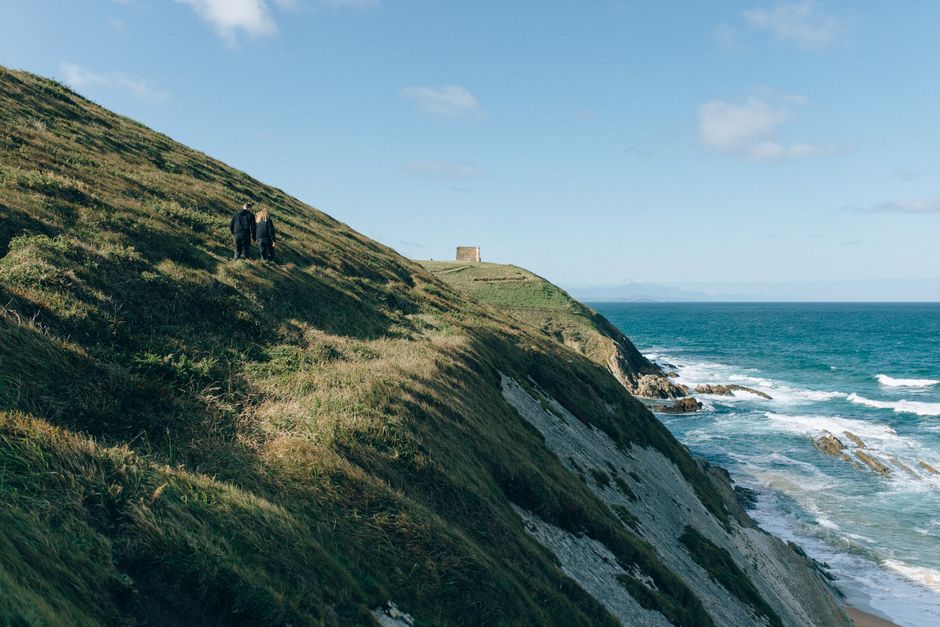
Photo by Nataliya Vaitkevich via Pexels
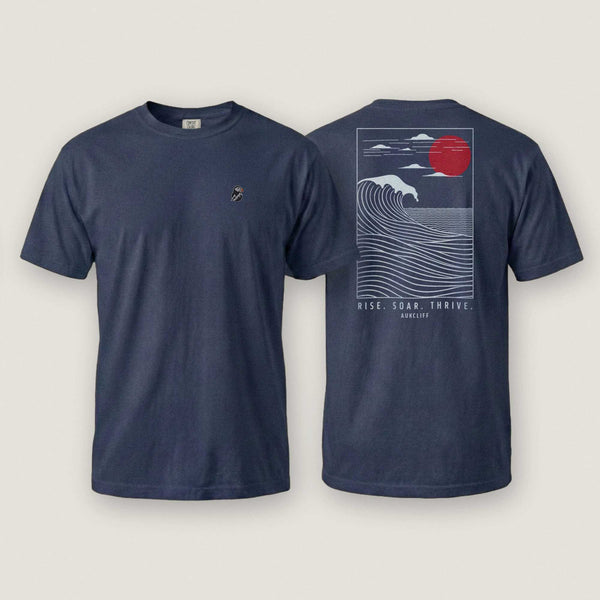
The practical approach: cotton is better at the coast than its detractors suggest. It handles UV exposure without degrading the way synthetics do under sustained sun, it dries out reasonably well in wind, and it does not hold salt crystals the way technical fabrics can. The Coastal Waves T-shirt is 6.1oz garment-dyed heavyweight cotton, the kind of piece that gets worn on the beach, on the trail above it, and at the cafe after. The garment-dyeing process gives the colour depth that holds after repeated saltwater rinsing.
The Simple premium tees in a lighter colour handles high UV days well. Lighter colours reflect heat rather than absorbing it, which matters when you are standing in direct sun on an exposed headland for two hours waiting for the tide to move.
Layering for coastal conditions works differently than mountain layering. The threats change quickly, from full sun to cold wind to light rain and back in an hour, and the temperature range is narrower. A light long-sleeve layer over a tee handles most transitions. A waterproof shell that compresses small is worth carrying even on clear days because coastal weather forecasts are genuinely unreliable at the five-kilometre scale.
Salt and Stone: Durability in Marine Environments
Gear at the coast works harder and dies faster than gear elsewhere. Zips corrode, metal hardware pits, synthetic fabrics accumulate salt crystals that degrade fibres over multiple seasons. The cost of coastal life is higher maintenance and more frequent replacement.
The answer is to buy better and buy less. One quality fleece that gets washed regularly outlasts three cheap ones. The Salt and Stone Hoodie is named for the environment it is built for. Regular washing removes salt accumulation from fabric before it works into the fibres. Hang rather than machine-dry, particularly for fleece and cotton blends, as marine salt plus heat accelerates fibre breakdown.
For footwear, rubber and synthetic soles outlast leather in marine environments. Clean boots after beach days. Store gear away from direct sunlight when not in use. These are not complicated rules but they make a real difference to how long equipment lasts.
The Economic and Ecological Reality of Coastal Tourism
NOAA puts ocean tourism's contribution to the US economy at $143 billion GDP and 2.5 million jobs. A UN panel study found coastal tourism generated $1.5 trillion globally and supports 52 million jobs worldwide. These are enormous numbers that underscore how dependent coastal economies are on the environments that attract people to them in the first place.

Photo by hamza moutya via Pexels
For outdoor people, the connection between coastal access and coastal conservation is direct. The trails, the beaches, the surf breaks, the tidal flats worth photographing, all of it depends on active management and funding that comes partly from visitor spending. Choosing where to spend money at the coast matters. Support local guides, stay in independent accommodation, use local gear shops. The economics flow back into the places you are visiting.
Coastal deforestation increases erosion and degrades the buffer systems that protect shoreline environments. Every tree planted in a coastal or near-coastal context does multiple jobs at once.
Building a Coastal Kit That Lasts
Less gear, better gear. This is the principle that experienced coastal people arrive at eventually. Start with the T-shirt range for your base layers, pieces that work in the water and out of it. Add the AukCliff Essentials Collection for the pieces that layer over them and handle the transitions between conditions that coastal days inevitably bring.
The best coastal kit is the one you actually use. Pieces that pack small enough to live in a day bag, dry fast enough to rewear the same day, and look right whether you are on the trail above the cliffs or at the table below them.
Frequently Asked Questions
What is the best time of year to visit coastal destinations?
Shoulder season, spring and autumn, consistently delivers the best combination of good weather, fewer people, and lower prices. Coastal destinations in Europe are best in May through June and September through October. In the southern hemisphere, November through March is peak. The exact timing depends heavily on what you are there to do: surfing follows swell patterns that vary by season, photography benefits from lower sun angles in autumn, hiking is most comfortable outside of summer heat in Mediterranean climates.
How do I protect camera gear at the coast?
Use a UV filter to protect the front element, wipe down lenses and metal parts after any spray exposure, carry the camera in a dry bag or waterproof case during active water activities, and do a fresh water rinse of hardware after serious marine exposure. For consistent coastal photography, a rain sleeve or weather-sealed body makes sense. The most commonly damaged item is the lens hood, it catches spray and people forget to clean it, which then transfers salt to the front element every time they remove the filter.
What is the difference between coastal hiking and inland mountain hiking?
The main differences are: coastal trails are often more exposed to wind and weather changes, tidal timing adds a planning dimension that mountains do not have, UV exposure is higher due to water reflection, and the terrain alternates between hard surfaces (rock headlands) and soft ones (sand, mud, estuary crossings) more frequently. Coastal hiking is generally lower elevation but not necessarily easier, sea cliffs, scrambling sections, and soft sand can be as physically demanding as mountain terrain.
Is saltwater bad for clothing?
Yes, over time. Salt crystals that remain in fabric fibres accelerate wear by acting as an abrasive during washing and movement. Rinse salt-exposed clothing in fresh water as soon as practical after use. This is particularly important for technical fabrics, waterproof membranes, and anything with metal hardware like zips or buckles. Cotton handles salt exposure better than most synthetics, though it still benefits from regular rinsing.
What should I look for in a coastal layering system?
Fast-drying fabrics that do not hold odour after multiple wearings without washing, compact packability so layers live in the bag rather than the car, UV resistance for consistent sun exposure, and wind resistance in the outer layer without full waterproof weight. A lightweight merino or cotton base, a fleece mid-layer, and a packable wind shell covers 90% of coastal conditions. Add full waterproofs when the forecast genuinely calls for rain rather than carrying them every day.
You Might Also Like
Wear it out there
Simple
$75.99
Coastal Waves
$101.99
Captain Puffin Wildlife Photographer
$84.99

Captain Puffin Hiker
$84.99
Get the next one
New designs as they land, and the stories behind them. Unsubscribe in one click.