
Gifts for Hikers Who Already Own Everything
The Problem With Buying Gifts for Hikers
The hiker in your life already has a pack. They already have poles, a headlamp, a water filter, and at least three different buffs. They have debated hydration bladders vs. bottles at length, and they have strong opinions about sock brands. Generic outdoor gifts, the kind sold in airport shops and gift guides written by people who don't hike, tend to collect dust.
Good gifts for hikers solve a specific problem: they replace something that wears out, add a layer of comfort or personality, or turn a good day on the trail into a memorable one. This guide covers what actually gets used, what gets appreciated, and what you can safely skip.
What Actually Gets Used and Appreciated
A Genuinely Good Base Layer or Trail T-Shirt
Hikers are particular about fabric, fit, and weight, but they are not precious about wearing good kit out. Base layers and trail tees get used until they fall apart. A well-made t-shirt with a design that means something to the person wearing it is the kind of gift that shows up on actual hikes, not just in the drawer.
The Captain Puffin Hiker premium tees is a garment-dyed heavyweight cotton tee, pre-washed and built to survive the rotation. Most hikers I know have one or two t-shirts that end up in almost every trail photo. Those are the ones with a design that means something to them.
For cooler mornings or shoulder-season days, the Captain Puffin Hiker Sweatshirt works as a camp layer or a post-hike pullover. Same hand-drawn character, same build quality. See the full Captain Puffin collection for the complete range.

Consumables That Get Finished and Replaced
The best physical gifts are the ones that get used up. Hikers go through socks at pace. A four-pack of merino hiking socks from Darn Tough or Icebreaker is the kind of practical gift that lands well every time. In the same category: high-quality trail bars (Larabar, RX Bar, or anything from a local food maker), a small tin of quality trail mix, or a packet of specialty tea blends designed for camp preparation.
Consumables work because they carry zero guilt. The hiker doesn't have to find storage for them, worry about duplicates, or feel obligated to use them. They just get used.
Experience Gifts: Trail Guidebooks and Refuge Nights
A good trail guidebook opens up new territory. Look for guidebooks specific to the region the hiker visits most, or to a destination they've talked about wanting to explore. The American Hiking Society maintains trail resources and state trail databases that are worth browsing if you're not sure which trails they'd want next.
Mountain hut or refuge nights are another strong option. In alpine regions across Europe and New Zealand, pre-booking a night in a hut gives someone a specific thing to look forward to: a route with a destination. That's genuinely more exciting than a piece of gear.
Conservation Memberships and Land Trust Support
Hikers use public land. Many of them care about the health of the places they walk through, even if they don't actively donate. A gift membership to an organisation that protects those places lands well. It shows you paid attention to what they actually care about.
Options worth considering: the American Hiking Society, which campaigns for trail funding and public land protection, or a local land trust working in your region. In the UK, the Ramblers run walking groups and campaign to keep footpaths open. A gift in someone's name says you take their hobby seriously.

Something Personal: Patches, Map Prints, Character Apparel
Hikers often personalise their packs with patches from trails they've done. Embroidered trail patches are inexpensive, lightweight, and specific. If you know the trails they've walked, a patch from that route is a small thing that lands meaningfully.
Topographic map prints of a meaningful trail or summit also work well framed. Services like National Geographic Maps or local cartography suppliers can produce prints from specific coordinates. If the person has a peak that matters to them, a framed topo of that area is a gift with a story behind it.
Character apparel sits in its own category: a garment with a hand-drawn hiker character that reflects the wearer's identity rather than a generic mountain logo. It's wearable and specific, which puts it in a different bracket from a gift card to a chain outdoor retailer.
Other gifts worth considering for the outdoors-interested person: the gifts for birdwatchers 2026 guide covers optics, field guides, and conservation gifts that cross over well with hiking audiences. For photographers who hike, the wildlife photography gifts guide covers cameras, accessories, and apparel built for fieldwork.
What to Skip
A few categories that underdeliver as hiking gifts:
- Another multi-tool. Most serious hikers have settled on their preferred tool. A second Leatherman sits in a drawer.
- A generic water bottle. Unless you know they're missing one, hikers have a hydration system they trust. Adding to the collection is not the same as solving a problem.
- A headlamp. Lighting is personal. Lumen output, beam pattern, red-light modes, and battery type all factor in. Hikers pick their own.
- Anything described as "perfect for hikers" on the packaging. If a product is marketed broadly at outdoor people, it's probably not specific enough to land. The best hiking gifts are specific: this trail, this character, this consumable they've mentioned running low on.
If you're stuck, go consumable or go apparel with a design that means something to them. Both are lower-risk than guessing at gear preferences.
For more gifting ideas in the nature and outdoors space, the nature gifts guide and the durable outdoor footwear guide cover adjacent categories worth reading before you buy.
Frequently Asked Questions
What are the best gifts for hikers who already have all the gear?
Focus on three categories: consumables they go through (socks, trail food, fuel canisters), experience gifts (hut nights, guidebooks to new trails, conservation memberships), and apparel with a design that reflects their identity. These categories avoid the problem of duplicating gear they've already chosen carefully.
Is clothing a good gift for a hiker?
Yes, if the fit and fabric are right. A heavyweight pre-washed trail t-shirt or a camp sweatshirt in a generous size is practical and personal. Character apparel designed for hikers rather than using generic mountain logos works especially well because it's something the person wouldn't necessarily buy for themselves.
What consumables do hikers actually want?
Merino wool socks (Darn Tough, Icebreaker) are the most reliable. Quality trail bars, specialty teas, or small-batch trail mixes are also consistently well received. Fuel canisters for stoves work if you know the type of stove they use. All of these get used and replaced, with no storage problem and no guilt.
Are guidebooks a good hiking gift?
Yes, particularly if the book covers trails the person hasn't done yet or a region they've mentioned wanting to explore. The best guidebooks are specific. A book covering exactly the range of mountains or coastline they care about is more useful than a general outdoor reference. Pairing a guidebook with a pre-booked hut night turns a passive gift into a plan.
What hiking gifts should I avoid?
Avoid gear where personal preference matters most: headlamps, water filtration systems, multi-tools, trekking poles, and pack accessories. Hikers have usually researched and settled on their preferred options in these categories. A duplicate or mismatched alternative creates awkwardness rather than utility. Stick to consumables, experiences, and apparel.
Wear it out there
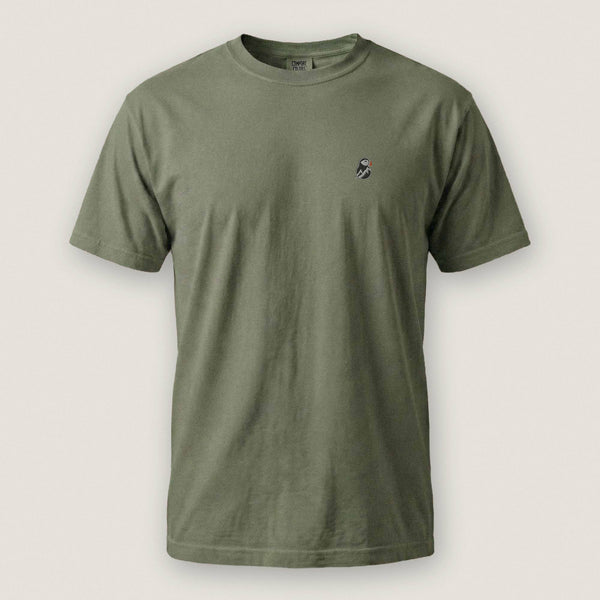
Simple
$75.99
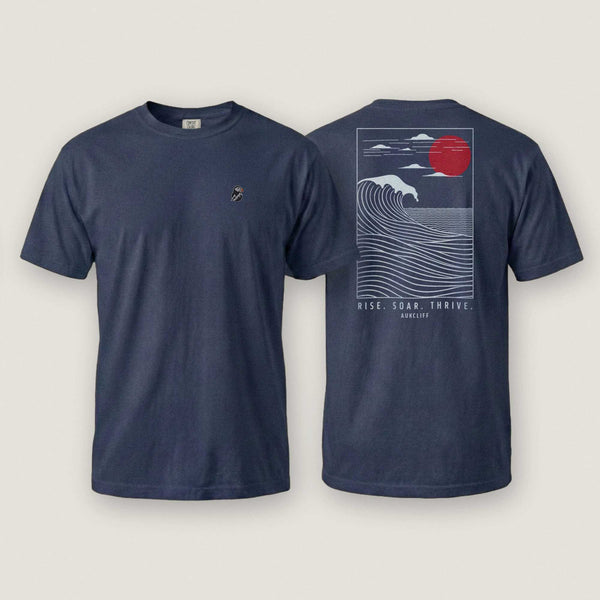
Coastal Waves
$101.99
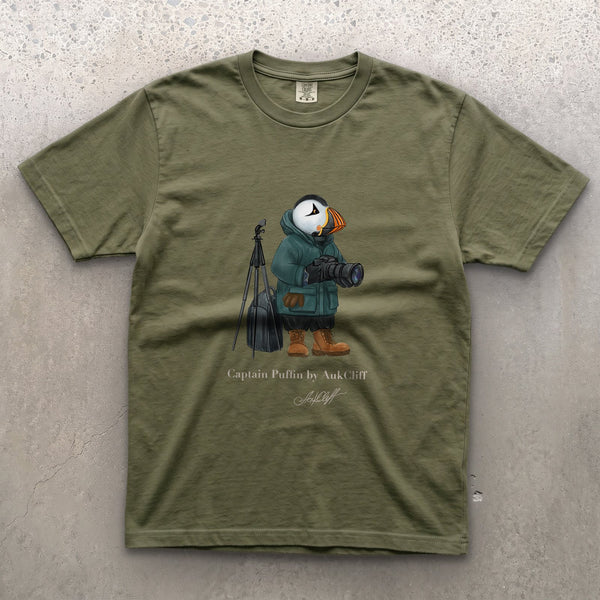
Captain Puffin Wildlife Photographer
$84.99
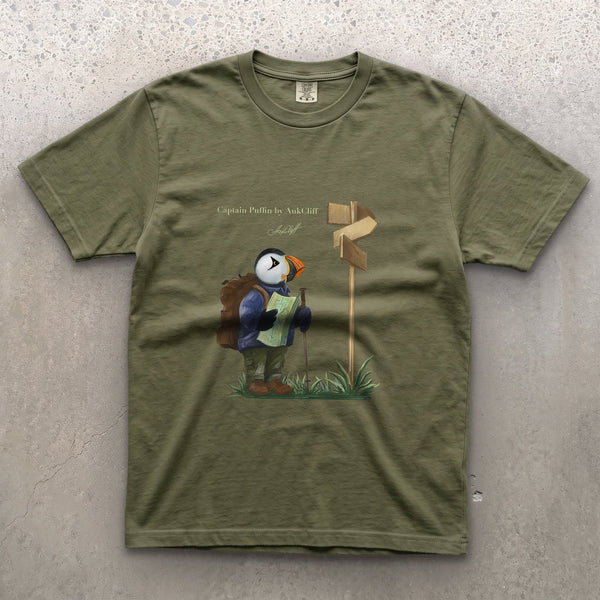
Captain Puffin Hiker
$84.99
Get the next one
New designs as they land, and the stories behind them. Unsubscribe in one click.