

Best Outdoor Adventure Clothing Brands 2026
The outdoor apparel market has grown into a serious industry. According to Fortune Business Insights, it was valued at $18.66 billion in 2025 and is projected to reach $30.46 billion by 2034, growing at a 5.6% annual rate. That growth reflects something real: more people are spending time outside, and they want clothing that keeps up with them. The Outdoor Industry Association reported 181.1 million outdoor recreation participants in 2024, representing 58.6% of Americans.
More brands means more noise. This guide breaks down what the major categories of outdoor clothing brands actually do well, what to look for in each, and how to decide where to spend your money.
The Four Main Categories of Outdoor Clothing Brands
Not all outdoor clothing is trying to do the same thing. Before evaluating any brand, it helps to understand which category they sit in, because the right choice depends on what you need the clothing to do.
Technical performance brands build gear for specific conditions: waterproofing, breathability, insulation ratings, stretch for climbing. Think Gore-Tex shells, down jackets rated to -20C, base layers with moisture-wicking claims backed by data. These are brands where the engineering genuinely matters and the price premium is justified for serious expeditions.
Heritage outdoor brands built their reputation over decades. They lean on craftsmanship, country of origin, and durability that outlasts trends. The clothing is often less technical but has a proven track record and a loyal following.
Lifestyle outdoor brands sit in the middle ground. They are designed for people who hike on weekends, camp a few times a year, or simply want clothing that looks and feels like it belongs outside. The technical claims are modest, but the fit, comfort, and aesthetics are the priority.
Graphic outdoor brands like AukCliff are a distinct category. The clothing is built on premium quality blanks, but the reason people buy is the art and the identity behind it. These brands attract outdoor enthusiasts who want to wear something that reflects a specific connection to nature, a place, or a way of seeing the world.
What to Look for in Technical Performance Gear
If you are buying for a serious multi-day trip in unpredictable weather, the technical details matter. Look for independently verified waterproof ratings (measured in millimetres hydrostatic head), seam construction (fully taped seams vs critically taped), and breathability ratings. DWR (durable water repellent) finish wears off and needs re-treatment, so check whether the membrane itself is waterproof or whether the DWR is doing most of the work.

For base layers, merino wool remains the gold standard for temperature regulation and odour resistance. Synthetic alternatives dry faster and are more durable under high abrasion. Both have their place depending on activity intensity and trip length.
Fit for layering matters more than most buyers realise. A hardshell that fits well over a base layer may be too tight over a mid-layer. Try the full system before committing, not just the individual piece.
Heritage Brands: Why Reputation Matters
Heritage outdoor brands earned their standing over many years of consistent quality. The best of them have made clothing that genuinely lasts, sometimes decades. When evaluating a heritage brand, look at their construction standards: reinforced stress points, quality thread, and material weight that justifies the price.
Be cautious of brands that trade on a historical reputation but have quietly moved production offshore and cut costs. The logo may be the same but the quality may not be. Check current construction details, not just the brand's history.
Lifestyle and Casual Outdoor Clothing
For everyday wear, camping, light hiking, and outdoor social settings, lifestyle outdoor brands offer good value. The key metrics here are different: comfort over distance, ease of care, how the garment holds up after many washes, and whether the fit works for your body type across a range of activities.

Photo by Tima Miroshnichenko via Pexels
Fabric weight is a reliable quality signal. A mid-weight cotton tee at 6 oz per square yard will hold its shape, fade well, and feel substantial. Light, thin blanks may be cheaper to produce but they lose their shape quickly and feel uncomfortable after a few washes.
AukCliff's T-shirt collection is built on Comfort Colors 1717 blanks, which are 6.1oz garment-dyed fabric. The garment dyeing process means each piece is dyed after construction, which softens the fabric and gives it a worn-in feel from the first wear. These tees become more comfortable over time rather than deteriorating.
Graphic Outdoor Brands: Art, Identity, and Community
Graphic outdoor clothing has found a genuine audience among people who feel that standard outdoor gear doesn't express anything about who they are. This category is not about technical performance. It is about wearing something that means something.
The best graphic outdoor brands commission real artists and build characters or narratives that resonate with specific outdoor communities. AukCliff's Captain Puffin character, for example, is hand-drawn by artist Maria. The character appears as a wildlife photographer, a hiker, and other outdoor personas, each piece designed for people who feel a genuine connection to wildlife and wild places.
The Captain Puffin Wildlife Photographer T-Shirt and the Embrace The Mountain Call Tee are examples of this approach: premium blanks carrying artwork that speaks to a specific outdoor identity rather than generic mountain graphics.
For colder conditions, the Mountain Adventure Hoodie and Peak Junkie Hoodie are built on Cotton Heritage M2580 fleece at 9oz, which is substantially heavier than most fast-fashion alternatives. The weight means warmth and longevity.
Sustainability: What 29% of Buyers Are Actually Asking About
Research from Maximize Market Research found that 29% of outdoor apparel consumers cite eco-friendly materials as a key purchase driver. That number has grown steadily and will likely continue to grow as environmental awareness among outdoor communities increases. People who spend time in nature tend to care about what happens to it.
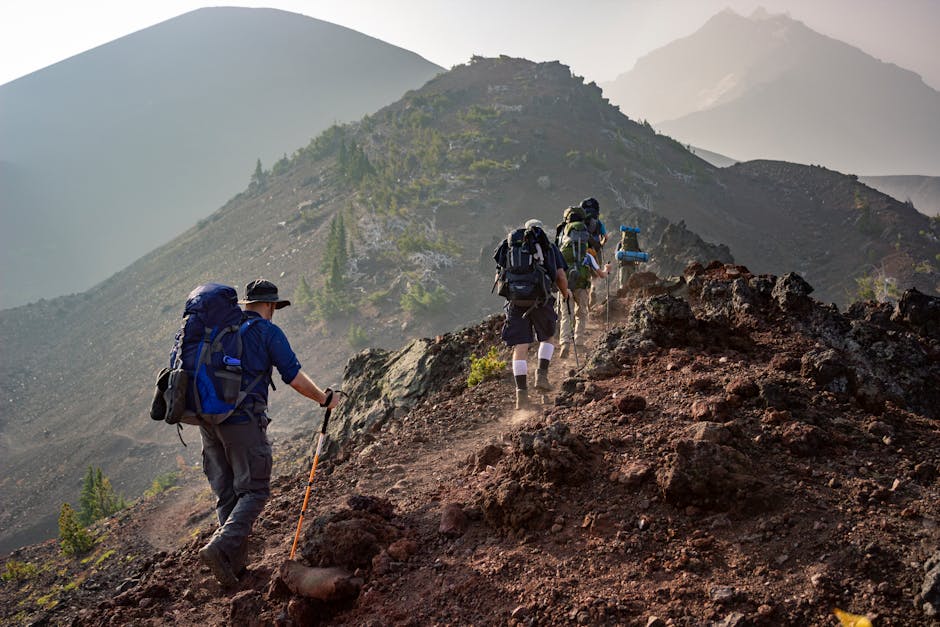
Photo by Eric Sanman via Pexels
Sustainability in clothing covers several distinct areas: material sourcing, production methods, shipping, end-of-life, and brand governance. A brand can score well on one and poorly on others, so it is worth reading past the marketing claims.
Organic cotton avoids synthetic pesticides. Recycled synthetic fibres reduce virgin petroleum use. Made-to-order production, which AukCliff uses, means items are only made when purchased rather than produced in bulk and warehoused, which eliminates excess inventory waste. AukCliff also plants a tree with every order through One Tree Planted.
When evaluating sustainability claims, look for specifics: percentages of recycled content, certifications (GOTS for organic cotton, bluesign for manufacturing standards), and transparent supply chain information rather than vague commitments.
How to Build an Outdoor Clothing Kit That Actually Works
The most common mistake in building an outdoor wardrobe is buying too much of the wrong things. A few well-chosen pieces that work together will serve you better than a full wardrobe of mismatched gear.
Start with the layer that will be against your skin in the widest range of conditions. A quality mid-weight tee or long-sleeve base layer will do more work than any other single item. Then add a mid-layer you can put on and take off easily, followed by an outer shell appropriate for your local conditions.
For casual outdoor wear and travel, the Origin Collection is worth looking at as a starting point, and the Simple Comfort Colors T-shirt is the kind of reliable everyday piece that pairs with everything and holds up over years of wear.
Buy for the conditions you actually encounter, not for edge cases. Most outdoor enthusiasts need reliable everyday pieces more than technical gear rated for expeditions they will never go on.
FAQ
What is the difference between technical and lifestyle outdoor clothing?
Technical outdoor clothing is engineered for specific environmental conditions: waterproofing, insulation ratings, breathability, and stretch. Lifestyle outdoor clothing prioritises comfort, fit, durability, and aesthetics for everyday outdoor activities. Most people who camp, hike occasionally, or spend time outside casually need lifestyle gear rather than technical gear.
What fabric weight should I look for in a quality outdoor T-shirt?
Look for at least 5.5oz per square yard for a T-shirt that will hold its shape and last through many washes. 6oz and above is considered heavyweight and will feel more substantial, drape better, and age well. AukCliff tees use 6.1oz Comfort Colors fabric, which is at the upper end of the casual T-shirt range.
Are graphic outdoor brands worth buying if I want quality clothing?
Yes, provided the brand is building on quality blanks rather than cheap print-on-demand fabric. The best graphic outdoor brands use the same premium blanks as mid-tier lifestyle brands, adding original artwork. The quality of the garment itself is what matters, not the category the brand sits in.
What does garment dyeing mean and why does it matter?
Garment dyeing means the finished garment is dyed after it is sewn together, rather than starting with pre-dyed fabric. The process softens the cotton fibres and creates a slightly uneven, lived-in colour tone. Garment-dyed clothing typically feels softer from the first wear and continues to soften with washing, rather than stiffening or losing colour abruptly.
How can I tell if an outdoor brand's sustainability claims are genuine?
Look for specific certifications rather than vague language. GOTS (Global Organic Textile Standard) verifies organic cotton. bluesign verifies manufacturing environmental standards. Made-to-order production is a concrete structural commitment, not a marketing claim. Vague terms like "eco-friendly" or "sustainable practices" without specifics are worth treating sceptically.
You Might Also Like
Every AukCliff order plants a tree through our partnership with One Tree Planted.


