

Preparing for a Hiking Date: What to Wear and Bring
A hiking date is genuinely one of the better first-date formats. You're moving, which removes the awkward stationary conversation pressure. You have the trail, the views, and the physical environment to talk about. There's a natural structure to the day. And unlike a bar or a restaurant, you're seeing how someone actually behaves when things are slightly uncomfortable, when there's a steep section, or the weather turns, or the map doesn't match the trail. According to AllTrails 2024 app user data from 18,000 logged dates, 16% of outdoor enthusiasts now choose hiking trails for first dates. That figure is rising as hiking itself becomes more mainstream: the Outdoor Industry Association's 2024 Outdoor Participation Trends Report found hiking ranked as the top outdoor recreation activity in the US by participation rate, with 20% of the population aged 6 and older taking part.
Getting it right takes a bit of preparation. Not a huge amount, but enough to make sure the logistics don't get in the way of the actual day. What you wear, what trail you choose, and what you bring all affect how it goes.
Choosing the Right Trail
The biggest mistake people make with a hiking date is picking a trail that's too hard for someone they don't know well. Unless you've established that your date is an experienced hiker, default to something moderate: 8 to 15 km, 300 to 500m of elevation gain, clear path, no technical sections. The goal is a good day, not a physical test.
Check the trail beforehand if you haven't done it recently. Trail conditions change. A path that was easy in summer might have a flooded section in autumn, or a blowdown that adds 30 minutes of scrambling around deadfall. Knowing the trail means you can manage the day confidently, which reads well. Uncertainty about the route, consulting the map every 500 metres, or realising you're on the wrong path is a small thing that creates unnecessary friction.
Consider the endpoint, too. A trail with a waterfall, a viewpoint, or a lake at the far end gives you a natural destination and a reason to stop, eat, and sit together for a bit before heading back. A loop trail that ends at a car park is fine but less memorable than having an obvious goal to arrive at.
What to Wear: The Case for a Quality Graphic Tee
Hiking date clothing sits in an awkward middle ground. Full technical hiking kit looks like you're preparing for an expedition rather than a date. A nice shirt is impractical. The answer is a quality everyday cotton tee that looks deliberate, wears comfortably across several hours of movement, and holds up to some sweat and weather without looking ruined by the time you reach the viewpoint.

The Captain Puffin Hiker T-shirt is exactly this: a 6.1 oz garment-dyed heavyweight tee with a hand-drawn design that references outdoor culture directly. It looks like a considered choice rather than a default. The garment-dyed finish means it looks slightly worn-in from day one, which reads as relaxed confidence rather than trying too hard.
The premium blank these tees are made on is noticeably softer than standard cotton tees. After a few hours of hiking, you'll notice the difference. Thin, cheap cotton becomes rough against the skin when you've been sweating. Heavyweight garment-dyed cotton stays soft and doesn't cling awkwardly when damp.
Fit and Layering for a Day Out
A relaxed-fit tee as your base layer gives you flexibility across the day. Pair it with a lightweight wind layer you can tie around your waist when you don't need it. Bring a small packable insulation piece for the summit or the end of the day when you stop moving and cool down fast.
The Captain Puffin Wildlife Photographer T-shirt and the Embrace The Mountain Call Tee both use the same construction. The sizing runs slightly oversized, which is useful here: roomy enough for active movement, not so loose it looks sloppy. If you normally wear a medium fitted tee, true to size in the premium gives a comfortable oversized result. Size down one for something closer to fitted.
For bottoms, hiking pants or shorts depending on temperature and trail type. Avoid jeans. They're heavy when wet, don't dry fast, and restrict movement on steep sections. Trail shoes or light hiking boots depending on the terrain. Waterproof footwear adds confidence on muddy or wet trails.
What to Bring
Keep the pack light. A heavy pack changes how you move and how you feel over a long day. For a moderate half-day to full-day hike, you need:
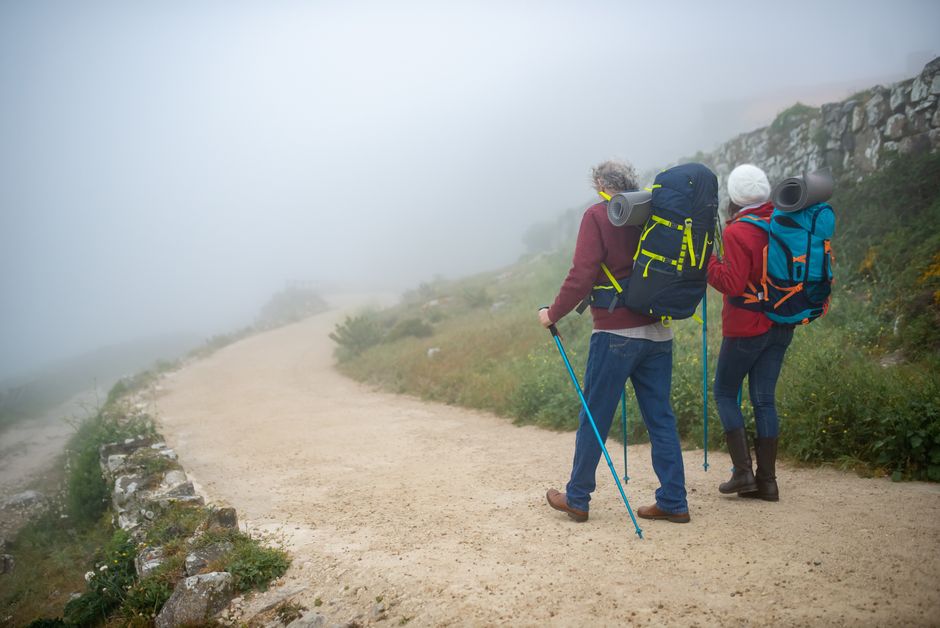
Photo by Kampus Production via Pexels
Water, at least a litre per person per 10km in moderate conditions, more in heat. A simple lunch or substantial snacks, the mid-trail food stop is one of the better parts of a hiking date. A small first aid kit. A rain layer, even if the forecast looks clear. A charged phone with the trail downloaded offline in case signal drops. Sunscreen if you're above the treeline or in exposed terrain. That's most of it. You don't need to bring half your house.
If you're choosing the trail and doing the planning, having the logistics sorted before the day removes low-level stress that would otherwise bleed into the experience. Know where you're parking, know the approximate duration, have the food sorted. The practical details handled in advance mean you can be present on the actual day rather than managing logistics.
Conversation on the Trail
Moving side by side takes the intensity out of direct conversation in a way that sitting across a table doesn't. This is partly why hiking dates work well. You can have stretches of comfortable silence on a good climb, and you can talk freely on the easier sections. Neither person is performing for the other in quite the same way as a structured dinner conversation. Research published by Advnture, drawing on a San Jose University study, found that a 20-minute walk in a green space significantly improved cohesion and sense of togetherness between participants. A full trail day has roughly the same effect, amplified. The shared physical experience builds a kind of rapport that sitting opposite each other in a restaurant rarely produces at the same pace.
Ask about what they notice on the trail. Outdoor people, even casually outdoor people, have opinions about landscapes, trees, birds, weather, and terrain. Those observations tend to be more revealing than the standard first-date questions. If they're not particularly outdoorsy and this is new territory for them, the trail gives you natural opportunities to share knowledge without it feeling like a lecture.
The Coastal Waves T-shirt or any piece from the Captain Puffin collection often prompts a question about the design, where it's from, what the bird is. That's a small, easy conversation opener that costs nothing to set up and can lead somewhere interesting.
Navigating Difficult Sections
If the trail has a hard section, a steep climb, a scramble, a stream crossing, treat it as part of the day rather than an obstacle. Check in with your date on how they're going, offer a hand on genuinely tricky terrain if it's natural to do so, set a comfortable pace rather than pushing ahead. The way someone handles mild physical difficulty tells you something real about them, and vice versa.
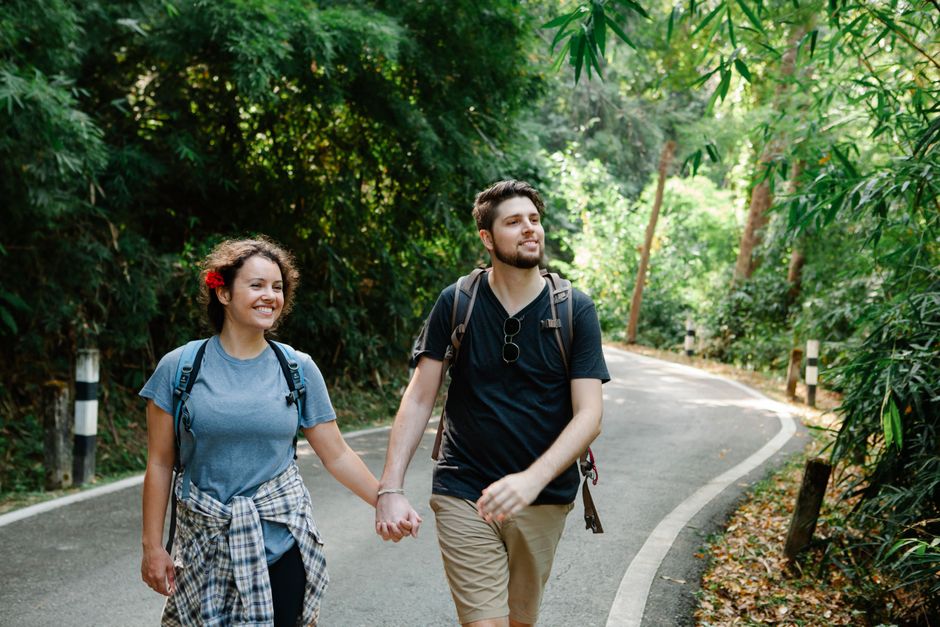
Photo by Vanessa Garcia via Pexels
Don't apologise excessively for the trail being hard. You chose it with reasonable judgment. If it turns out to be slightly more challenging than expected, acknowledge it briefly and move forward. Extended apologising about trail conditions is exhausting for the person listening to it and communicates a lack of confidence in your own judgment.
After the Hike
The post-hike element matters. Have somewhere in mind for food or a drink after, even if it's just a pub near the trailhead or a coffee stop on the way back. The conversation after physical activity is different from before. You're tired, slightly endorphin-charged, and you've already spent several hours together. The transition from trail to somewhere warm and comfortable with food is a natural extension of the day.
If the day went well, you've also built a shared reference point. You did this trail together. That particular view, the section where the path flooded, the bird you saw at the top, these are specific shared experiences that a restaurant date doesn't generate in the same way.
The full t-shirt range has options across the mountain and coastal design themes if you're looking for something specific for this kind of day out.
FAQ
How hard should a hiking date trail be?
Moderate is almost always the right call. 8 to 15 km, 300 to 500m elevation gain, clear path. Unless you've specifically established that your date is an experienced hiker and wants a challenge, go for something enjoyable rather than a test. A hard trail that leaves someone exhausted and miserable is not a good outcome regardless of how impressive the terrain is.
What should I wear on a hiking date?
A quality comfortable tee as a base layer, a lightweight wind layer you can carry easily, appropriate footwear for the terrain, and pants you can actually hike in. The base layer tee matters more than people think. Heavyweight garment-dyed cotton like the premium stays comfortable across a long active day in a way that thin cheap cotton doesn't.
What if it rains?
Bring a rain layer regardless of the forecast and treat rain as part of the day rather than a disaster. A light packable waterproof weighs almost nothing. Getting slightly wet together is actually fine for a hiking date. It's shared weather. Managing it calmly and practically looks better than panicking about it.
Is it okay to take a beginner on a hiking date?
Yes, if you choose an appropriate trail. The key is calibrating the difficulty to their experience level. Check in before the day about their fitness and experience. Pick something where they'll feel capable and have a good time, not something where they're struggling the whole way. A positive experience of being outdoors is what you're going for.
How long should a hiking date be?
Three to five hours including travel time on the trail is a good range. Long enough that you've had a real experience together. Short enough that neither person is exhausted or needs to escape. A half-day loop trail with a clear destination and a pub or cafe stop at the end is close to the ideal format.


