
Skiing in the UK: Where to Go and What to Wear
Skiing in the UK is not what most people picture when they think of ski holidays. There are no guaranteed powder days, no alpine villages, and no lengthy lift systems. What there is, particularly in Scotland, is genuinely interesting mountain terrain, variable and sometimes brutal weather that will test your kit, and ski centres that operate when conditions allow. For indoor centres, you get consistent snow and a controlled environment that's useful for learning and training year-round.
If you're planning a UK ski trip, whether that's a weekend in the Cairngorms or a session at an indoor slope in London, this guide covers where to go and, more practically, how to dress for it. Cold-weather layering is the part most people get wrong, and getting it wrong makes a short day feel miserable.
Scottish Mountain Resorts: What to Expect
Scotland has five main ski centres: Cairngorm Mountain, Glenshee, Glencoe Mountain, The Lecht, and Nevis Range. Cairngorm and Glenshee are the largest in terms of skiable terrain. Nevis Range near Fort William is the most dramatic, with the gondola giving access to the north face of Aonach Mor and genuine off-piste terrain when conditions are right.
The Scottish ski season typically runs from December to April, though this varies significantly by year. Snow conditions depend almost entirely on weather patterns coming off the Atlantic, which means you can get anything from ice to deep powder within the same week. Wind is the main limiting factor. Scottish mountain weather is notoriously changeable, and many visitors who've never skied in those conditions underestimate how cold and exposed the upper mountain can be. A sunny valley day can mean a 40 mph wind chill at summit level. Recent seasons have underlined just how variable conditions can be: the 2024/25 season recorded only 51,825 skier days across all Scottish resorts combined, a new historic low, compared with 374,789 skier days in 2009/10, according to data reported by The Scotsman. Glencoe was open for just 26 days during 2024/25. Planning for flexibility is not optional here, it is essential.
The practical implication: your kit needs to handle both cold, windy summit conditions and warmer, wetter lower-mountain conditions within a single day. Rigid layering systems and quality mid-layers matter more here than they do in the controlled conditions of most Alpine resorts.
Indoor Ski Centres: Year-Round Options
Indoor ski centres are scattered across England, Scotland, and Wales. There are six in total across the UK. The major ones include The Snow Centre in Hemel Hempstead, which has the UK's widest indoor slope at 100m wide and 180m in length, Chill Factore in Manchester, England's largest indoor skiing facility with a 180m main slope (opened 2007), SnowDome in Tamworth, and SNOW! in Edinburgh, according to Snow Magazine. These are real snow facilities on refrigerated slopes, not dry ski slopes, and they're genuinely useful for maintaining technique between mountain trips or for learning from scratch without committing to a full Alpine holiday first. The UK ski market overall is worth £2.9 billion, reflecting a committed base of winter sports participants despite the unpredictable outdoor season.

The slopes are short, typically 170 to 200 metres for the main runs, and the environment is cold but not extreme, usually around minus 5 Celsius. You don't need serious alpine expedition kit for indoor centres, but you do need proper warm layering. The cold hits fast when you're stationary in the lift queue or waiting for a lesson to start.
For indoor sessions, the mid-layer is the most important item you'll bring. A quality heavyweight fleece hoodie does more work here than a thin base layer and a waterproof shell. You want warmth you can adjust, because you'll be cold at the top of the slope and warmer at the bottom after an active run.
Layering for UK Ski Conditions
The standard three-layer system, base, mid, shell, applies in UK skiing but the weighting is different from Alpine conditions. In the Alps, you're often skiing hard enough to stay warm through activity, and the concern is overheating during exertion. In Scotland, the wind chill and damp cold mean you can lose heat faster than you generate it, particularly when stopping on exposed terrain.
The mid-layer is where UK skiers should invest. A thin technical fleece is adequate for mild indoor sessions but insufficient for a cold day on the Cairngorm plateau. A heavyweight fleece hoodie in the 9 oz range gives you genuine insulation that you can wear under a shell on the mountain, or on its own in a warmer indoor facility or in the lodge between runs.
The Embrace The Mountain Call Hoodie is made on the premium M2580, a 9 oz premium fleece construction. That weight sits between a thin athletic hoodie and a heavy winter sweatshirt. It's warm enough to function as genuine insulation for temperatures down to around zero Celsius when worn under a waterproof, and comfortable enough to wear as a standalone layer in the lodge or the car park.
What to Wear: The Mid-Layer in Detail
A lot of skiers treat the mid-layer as an afterthought, grabbing whatever hoodie is in the wardrobe. The problem is that thin cotton hoodies lose their insulation properties when they absorb moisture, either from sweat or from the damp Scottish mountain air. A heavyweight fleece construction holds warmth better when slightly damp, and dries faster than a thin cotton layer.
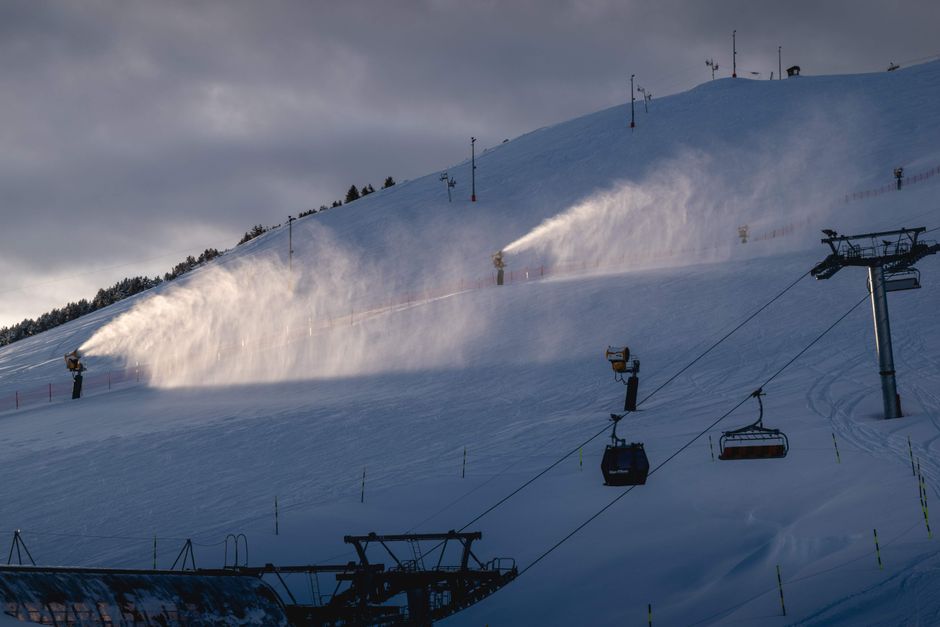
Photo by Olivier Darny via Pexels
The Mountain Adventure Hoodie sits in the same 9 oz premium construction. The unisex sizing runs S to 2XL. If you're wearing it under a ski jacket, you want a fit that's close enough not to bunch up but not so fitted that it restricts your shoulder movement. True to size works for most people in this use case.
For indoor ski centres where you're not dealing with wind and precipitation, a hoodie without an outer shell is often sufficient. The cotton fleece breathes enough for moderate activity and provides the insulation you need during stationary periods. It also looks significantly better in the lodge than a technical mid-layer fleece designed for alpinism.
Captain Puffin for the Mountain
The Captain Puffin Wildlife Photographer Sweatshirt and the Captain Puffin Hiker Sweatshirt are both on the same premium M2580 blank as the hoodies. The sweatshirt format, without a hood, can work well as a mid-layer under a ski helmet, where a hood creates bulk around the neck and back of the head that interferes with fit.
The Captain Puffin designs are drawn by hand by artist Maria. The hiker design in particular has a clear mountain reference that sits well in an outdoor context. These are not novelty prints on cheap blanks. The design quality and the fabric quality are both taken seriously, which is why they hold up as genuine outdoor apparel rather than just souvenir-style outdoor-themed clothing.
The Origin Collection includes the core mountain-themed pieces alongside the Captain Puffin range. Worth browsing if you're looking for something that holds up to outdoor use and still looks deliberate rather than accidental.
Planning a Scottish Ski Trip
For Cairngorm, the main access is from Aviemore, which has good accommodation options and is a sensible base for a multi-day trip. The mountain funicular runs to 1085m and is the easiest access to upper-mountain terrain. Check the Cairngorm Mountain website for live snow conditions and lift status before any trip. Scottish resorts close frequently due to wind, and conditions can change within a day.
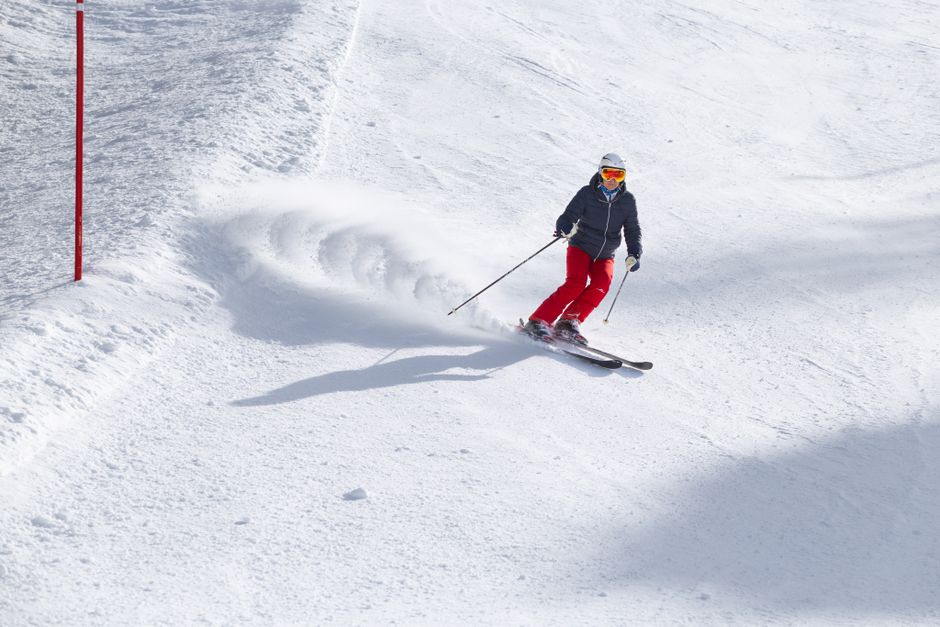
Photo by Volker Meyer via Pexels
Glenshee, in Perthshire, is the most southerly of the resorts and tends to have more accessible snow at lower elevations when conditions are right. It's a realistic day trip from Edinburgh, Aberdeen, or Dundee. Nevis Range is worth prioritising if you want genuine off-piste potential, but build in flexibility because the Gondola closes in high winds and the mountain requires proper kit.
Whatever resort you're heading to, check the weather at the mountain rather than in the nearby town. Valley weather and summit weather in Scotland are often completely different things. The Met Office Mountain forecast for each area is the most useful starting point.
The Full Hoodies and Sweatshirts Range
All AukCliff hoodies and sweatshirts use the same premium M2580 blank: 9 oz premium fleece, S to 2XL unisex sizing. The consistency of the blank means that if one piece fits you well, the rest of the range will too. For outdoor use, that predictability matters. You don't want to discover a new fit when you're packing for a trip.
The cotton fleece construction is not a technical performance fabric in the same category as a Polartec mid-layer or a Primaloft insulation piece. What it is, is a highly wearable everyday insulation layer that functions across indoor ski centres, ski lodges, mountain villages, and post-hike evenings. It does the job without looking like technical kit when you're off the hill, which matters if you're travelling for a mountain trip and using the same clothing across your whole stay.
FAQ
Is skiing in Scotland worth it for someone used to Alpine skiing?
Yes, with realistic expectations. You're not going for consistent powder or long runs. You're going for the experience of skiing in genuinely wild mountain conditions, Scottish scenery, and the satisfaction of a day in the Cairngorms or on Aonach Mor. It's a different kind of ski day, not an inferior one. The Ski Club of Great Britain estimates there are 1.8 million active UK skiers, with almost 95% having returned to the sport since the Covid-19 pandemic. France remains the top destination for British skiers at 59%, but Scotland holds its own for those who value accessibility and authenticity over guaranteed conditions.
What temperature are indoor ski centres in the UK?
Most real-snow indoor facilities in the UK run at around minus 4 to minus 6 Celsius on the slope. The lodge and changing areas are warm. You need proper warm layers for the slope but not extreme cold-weather kit. A quality heavyweight hoodie as a mid-layer is typically sufficient.
Can I wear a hoodie as a ski mid-layer?
Yes, for recreational skiing and indoor centres. A 9 oz heavyweight fleece hoodie provides genuine insulation and is comfortable for moderate activity levels. For serious backcountry or high-Alpine skiing, a technical mid-layer with moisture management is more appropriate. For a weekend in Scotland or an indoor session, the hoodie works well.
When does the Scottish ski season run?
Typically December through April, but this varies year to year based on snowfall. Some seasons are short and patchy, others have excellent conditions well into spring. Always check current snow reports before travelling, as Scottish resorts can close for days at a time during wind events.
Are the premium fleece good for skiing specifically?
The 9 oz construction gives genuine insulation down to around 0 Celsius when worn under a waterproof shell. The cotton fleece handles light moisture but is not waterproof. For Scottish mountain conditions, pair it with a proper waterproof outer layer. For indoor centres, it works as a standalone layer.
Related Reading
Wear it out there
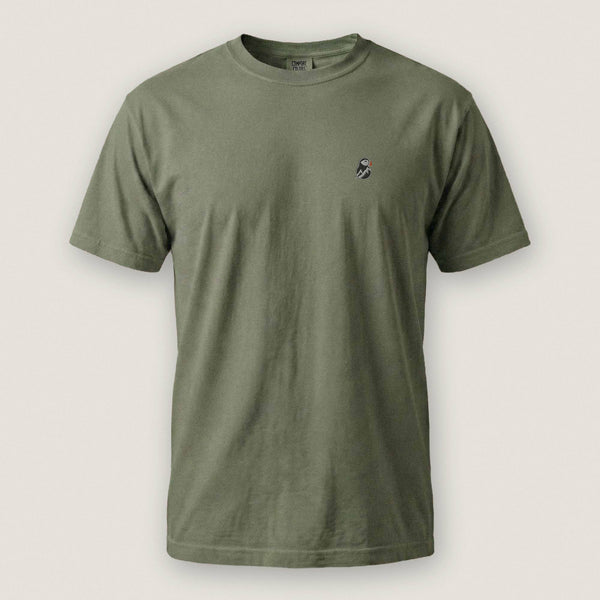
Simple
$75.99
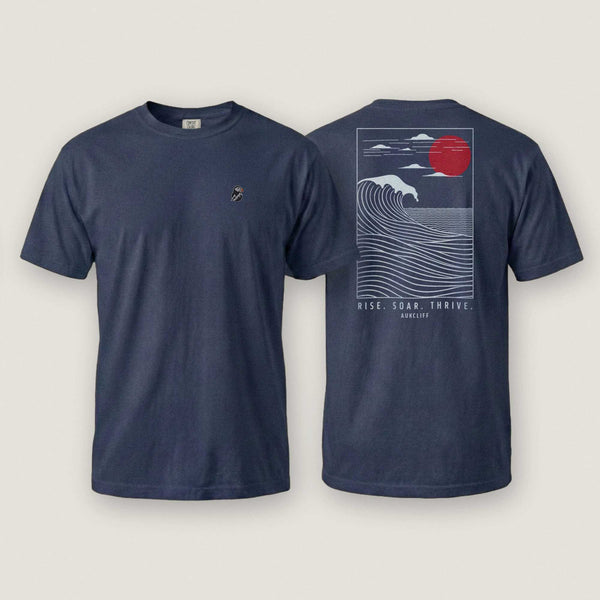
Coastal Waves
$101.99
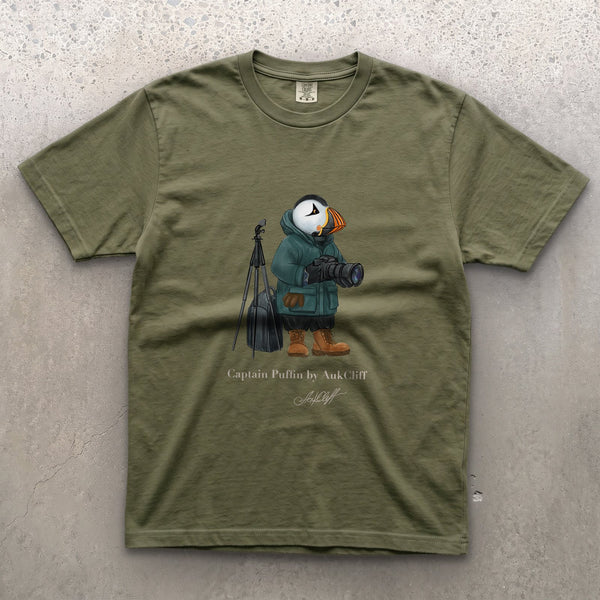
Captain Puffin Wildlife Photographer
$84.99

Captain Puffin Hiker
$84.99
Get the next one
New designs as they land, and the stories behind them. Unsubscribe in one click.