

Skiing in England: Indoor Slopes, Dry Slopes, and Where to Go
England is not the first country that comes to mind when you think about skiing. The terrain is wrong, the elevation is modest, and the chances of real snow on anything resembling a ski run are slim. But England has more dry ski slopes than any country in the world, over 50 of them, plus six indoor snow centres with real refrigerated snow. And just north of the border, Scotland has five genuine mountain ski areas with lift infrastructure.
For anyone learning to ski, or keeping their technique sharp between trips to the Alps, England is a practical option that most people overlook. This guide covers where to go, what the experience is actually like, and how to prepare.
Why England Has So Much Skiing Infrastructure
England's skiing infrastructure did not develop despite the lack of mountains. It developed because of it. The UK ranks third in Europe for skiing participation, with an estimated 6.3 million participants and 1.5 million taking ski holidays abroad each year. That is a large market of people who need somewhere to practice when they are not in the mountains.
Dry slopes, plastic brush matting systems that simulate snow on permanent hillsides, have existed in the UK since the 1960s. They are slow, they are hard on equipment, and they teach technique in ways that translate reasonably well to real snow. Indoor centres with actual refrigerated snow came later, and they are genuinely good. Chill Factore in Manchester generates over 23,700 monthly searches, which gives you an idea of how seriously people take it.
Chill Factore, Manchester: England's Largest Indoor Slope
Chill Factore sits off the M60 near the Trafford Centre and is England's biggest indoor ski slope at 180 metres. It is not a long run by alpine standards, but it is long enough to build up proper speed, link turns, and actually ski rather than just shuffle down a training hill.

The snow is real, produced and maintained by refrigeration systems that keep the slope running year-round. The gradient offers a main slope section and a separate beginner area. Lessons run daily, rental equipment is available, and the facility has a full lodge area with changing rooms, food, and a viewing area for people who just want to watch.
Group lessons start from around £30 per person for a one-hour session. If you are working on specific technique, private instruction is worth the cost, roughly £60 to £80 per hour. The instructors deal with a high volume of absolute beginners, so beginners are genuinely catered for.
For an indoor session, layering is important. The slope is cold by design, around -5°C on the snow surface, but you will heat up quickly when moving. A mid-layer under your ski jacket handles most situations. The Embrace The Mountain Call Hoodie in 9oz premium fleece works well as a mid-layer under a shell jacket for a session like this. Warm enough between runs, not so heavy that you overheat when skiing.
The Snow Centre, Hemel Hempstead
The Snow Centre in Hemel Hempstead is 170 metres long and sits just off the M1, making it the most convenient indoor ski slope for London and the southeast. Like Chill Factore, it has real snow, a main slope, and a dedicated learner area.
The Snow Centre is particularly well set up for lessons. It runs structured progression programs for beginners and intermediates, and the slope is busy but well-managed. Weekend sessions book out well in advance, so plan ahead. Midweek sessions are quieter and often better value.
Parking is free and the facility is compact enough that the whole experience, from arrival to packing up, is reasonably efficient. The slope height and gradient are similar to Chill Factore, and for many London-based skiers it is the default option for keeping skills sharp before an Alps trip.
Snow Dome, Tamworth
Snow Dome in Tamworth generates significant search interest (over 23,700 monthly searches according to keyword data), which reflects how well-known it has become as the Midlands' primary skiing facility. The main slope is 170 metres with a gradient suitable for intermediate and advanced skiers, alongside a separate beginner slope.

Photo by Bert Christiaens via Pexels
Snow Dome also has a snowboard park area, making it one of the more complete indoor snow facilities in England for riders as well as skiers. The facility runs evening sessions, which works well for people who cannot make daytime bookings.
Snozone: Milton Keynes and Yorkshire
Snozone operates two sites, one at Xscape in Milton Keynes and one at Xscape in Castleford, Yorkshire. Both follow the same format: real snow, indoor slopes, lessons, and rental equipment within a larger leisure complex.
The slopes at both Snozone locations are shorter than Chill Factore or Snow Centre, around 160 metres, but they are well-maintained and the lesson programmes are solid. The Yorkshire site at Castleford is particularly useful for skiers based in Leeds, Sheffield, or the surrounding area who need a closer option than Manchester.
Dry Slopes: What to Expect
England's dry ski slopes are a different experience to indoor snow centres. They use plastic matting systems (Dendix or similar) that create a brushed surface with some of the same friction characteristics as snow. The surface is slower, harder on edges, and less forgiving on falls, but the technique transfer to real snow is reasonable for most fundamental skills.
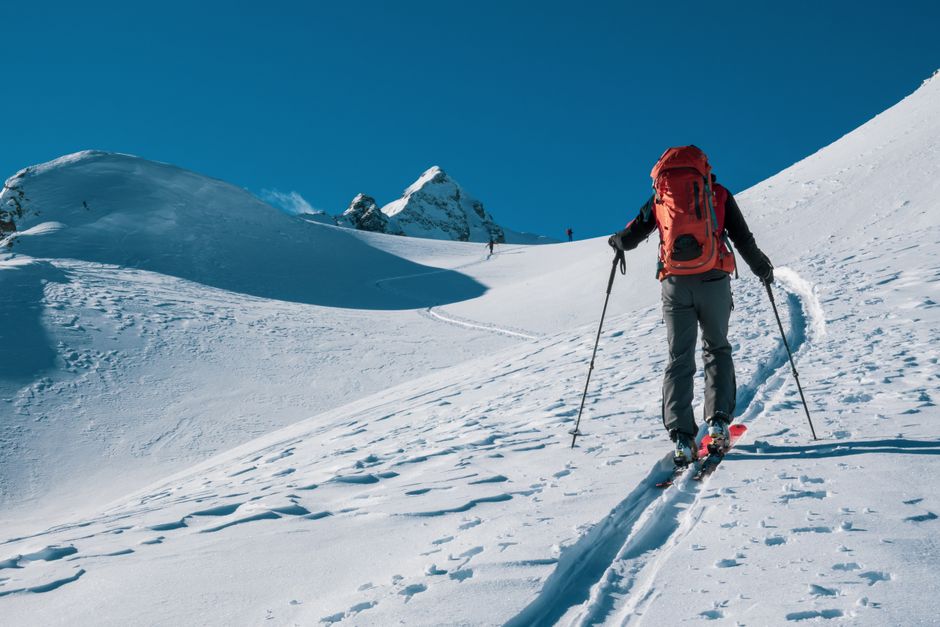
Photo by Alois Lackner via Pexels
Notable dry slopes include Swadlincote Ski Centre in Derbyshire (one of the UK's largest), Pendle Ski Club in Lancashire, and the Portsdown Hill Ski Club near Portsmouth. Many dry slopes are run by clubs rather than commercial operators, which means cheaper lift passes and a more community-focused atmosphere.
Equipment takes more wear on dry slopes. Do not bring your best skis. Rental equipment is available at most facilities and is the sensible choice unless you go regularly.
Skiing in Scotland: The Real Thing
If you want actual mountain skiing without leaving the UK, Scotland has five areas: Cairngorm Mountain, Glenshee, Nevis Range, The Lecht, and Glencoe Mountain. They are not the Alps, but they are real mountain terrain with lift infrastructure, variable conditions, and genuine challenge when the snow is good.
Cairngorm is the largest, with 36 pistes and the UK's only funicular railway providing access to the plateau. Glenshee has the most varied terrain and sits at the geographic centre of Scotland. Nevis Range, near Fort William, has the UK's only gondola and some of the most demanding off-piste terrain in the country.
Scottish season typically runs December through April, but is heavily weather-dependent. The best conditions come in February and March, when cold high-pressure systems can produce genuinely excellent days. Check forecasts and conditions carefully. The runs can be excellent, but they can also be ice or mud depending on the week.
For a proper mountain day in Scotland, dress for real winter conditions. The Mountain Adventure Hoodie works as a warm mid-layer, and a quality fleece or merino base layer underneath makes the difference on cold, exposed chairlift rides. The Captain Puffin Wildlife Photographer Sweatshirt with its hand-drawn artwork by Maria is a conversation piece on any ski day, and the 9oz cotton fleece construction holds up well in cold conditions.
What to Wear for Indoor Skiing
Indoor skiing has different requirements than resort skiing. You are not exposed to wind or sun, but the slope is cold and you will be moving actively. The key principles are: thin base layer for moisture management, warm mid-layer you can remove, ski jacket or vest over the top.
Most indoor centres rent full ski equipment including helmets. Bring your own helmet if you have one, the fit is better than rentals. Ski goggles are not strictly necessary indoors (the lighting is consistent and there is no glare or wind), but they are comfortable for faster runs.
The AukCliff Logo Hoodie is a good option as your warm layer between runs. Zip it in the rental locker while you ski, pull it back on when you are taking a break. The 9oz premium fleece recovers heat quickly after coming off a cold slope.
The full hoodies and sweatshirts range covers several options depending on how warm you run and what conditions you are preparing for. All are designed for active outdoor use.
Frequently Asked Questions
Is indoor skiing worth it for beginners?
Yes, particularly for the first few lessons. Indoor slopes have consistent conditions, no wind, no sun, no variable snow, which removes distractions and lets you focus entirely on technique. Once you can link basic turns, a real mountain adds a lot that indoor skiing cannot replicate: varied terrain, speed, and the feel of outdoor conditions. Indoor slopes are an excellent starting point, not a substitute for the real thing.
How much does it cost to ski at Chill Factore?
A one-hour group lesson at Chill Factore costs around £30 per person including equipment rental. A standard two-hour ski session (lift pass only, own equipment) costs around £25 to £35 depending on the session time. Weekend evenings are generally the busiest and most expensive sessions. Booking online in advance is always cheaper than walk-in pricing.
Do I need to book in advance for indoor ski centres?
Yes, particularly for weekends and school holidays. England's indoor ski centres are popular facilities with limited slope capacity. Booking even two to three days ahead for weekday sessions is advisable. Weekend sessions, especially Saturday afternoons, can book out a week or more in advance. Most centres have online booking systems and the process is straightforward.
Is dry slope skiing good training for real snow?
Useful, with limitations. Dry slopes are good for reinforcing edge control, balance, and basic turn mechanics. They are slower and less forgiving than snow, which means some habits learned on dry slopes need adjusting when you reach a real mountain. Professionals and serious racers use dry slopes to stay sharp, but they are not a replacement for mountain time. Treat dry slope sessions as supplementary training.
When is the best time to ski in Scotland?
February and March typically offer the best combination of snow coverage, day length, and weather stability. January can be excellent but is more unpredictable and darker. April sometimes delivers good spring conditions. November and December often have limited snow cover. Check the mountain webcams and snow reports before making the drive, Scottish conditions can change dramatically in 24 hours.
You Might Also Like
Every AukCliff order plants a tree through our partnership with One Tree Planted.


