
Trail Running: How Runners Shape the Trails We Love
Trail running has grown fast. According to RunRepeat and the Outdoor Industry Association, participation jumped from 13.2 million in 2022 to 14.8 million in 2023, a 12.3% one-year increase, with total growth of 231% over the past decade. More runners, more often, on trails that were originally designed for occasional hikers moving at 3km/h. That growth is mostly good, but it comes with consequences that the running community has been slow to fully own.
This isn't an argument against trail running. It's an argument for doing it in a way that keeps trails open, healthy, and worth running on.
What Trail Runners Actually Do to Trails
Running creates more impact per footstrike than hiking. The forces involved are higher, and the tempo means more strikes per minute on the same stretch of trail. On dry, well-draining surfaces with established vegetation on either side, that impact is generally manageable. On wet trails, soft ground, or trails without proper drainage infrastructure, it's more serious.
Erosion is the primary concern. When trail tread breaks down, water finds channels and cuts deeper into the surface. Widening happens when runners step off the edge to avoid mud, gradually expanding the worn corridor into the vegetation on either side. Research published in the Journal of Environmental Research measured trails before and after a race and found one trail widened from 40.7 cm to 50 cm as runners spread out, while trail depth increased from 2.8 cm to 4.6 cm through soil compaction and topsoil stripping. The researchers noted that some physical changes, particularly to soil properties, can be long-term or permanent and accumulate with each event. In sensitive subalpine environments or on trails built for lower traffic volumes, this happens faster than most runners realise.
The flip side: trail runners often cover more kilometres per week than any other user group, which means they have better and more current knowledge of where problems are developing. That's a genuine asset to trail managers when it's used productively. Many of the most active trail maintenance volunteers at the organisational level are runners precisely because they spend so much time on the ground.
When to Stay Off the Trail
Wet conditions are the most important factor. Running on saturated soil tears the tread surface far more than the same run on a dry day. Most trail networks have guidelines about avoiding trails for 24-48 hours after significant rain. These guidelines exist because trail builders and managers have seen the damage directly.

This requires a genuine change in mindset for many runners. The temptation on a rainy Tuesday after a dry weekend is to get the run in because you've been looking forward to it. The honest answer is that the trail doesn't care about your training schedule. A particularly popular loop near a major city can receive hundreds of runners on a wet morning. The cumulative damage from that traffic can set back years of maintenance work.
Some trails are more resilient than others. Rocky trails with good drainage handle wet conditions much better than clay-heavy soils or trails that travel through boggy sections. Learn which trails in your area can handle wet use and which can't. Local trail running clubs usually have this information, or your regional land management agency will.
How Trail Runners Build Communities
Trail running has a stronger voluntary maintenance culture than almost any other outdoor sport. Groups like the IMBA (International Mountain Bicycling Association, which does significant trail advocacy for multi-use trails), local running clubs, and national organisations like American Trails run regular volunteer workdays that collectively put in millions of hours of trail work annually. In 2023 alone, IMBA's Legacy Trails Grant Program engaged nearly 2,000 volunteers who contributed an estimated 31,809 volunteer hours across 18 projects, addressing 170 miles of deferred maintenance and 208 miles of trail construction and improvement.
The mechanics of how runners find each other around shared trails creates genuine community. Strava segments, local Facebook groups, and group runs through trail organisations connect people who would otherwise be running alone in the same place without ever meeting. That social infrastructure is part of what makes trail running's relationship with trail health different from individual recreation. When you know the people who built a trail and maintain it, you behave differently on it.
Joining your local trail running club or trail maintenance group is the single most impactful thing most runners can do for the trails they use. One day of volunteer maintenance per year is a reasonable contribution for someone running 50+ km per week on public trails. Most maintenance days are social events as much as work sessions.
Trail Etiquette That Actually Matters
The standard courtesy rules (yield to uphill hikers, announce yourself when passing, no headphones at volume that prevents you hearing others) are well-documented and most runners know them. The less-discussed behaviour is what happens when you encounter a section of trail that's degraded.
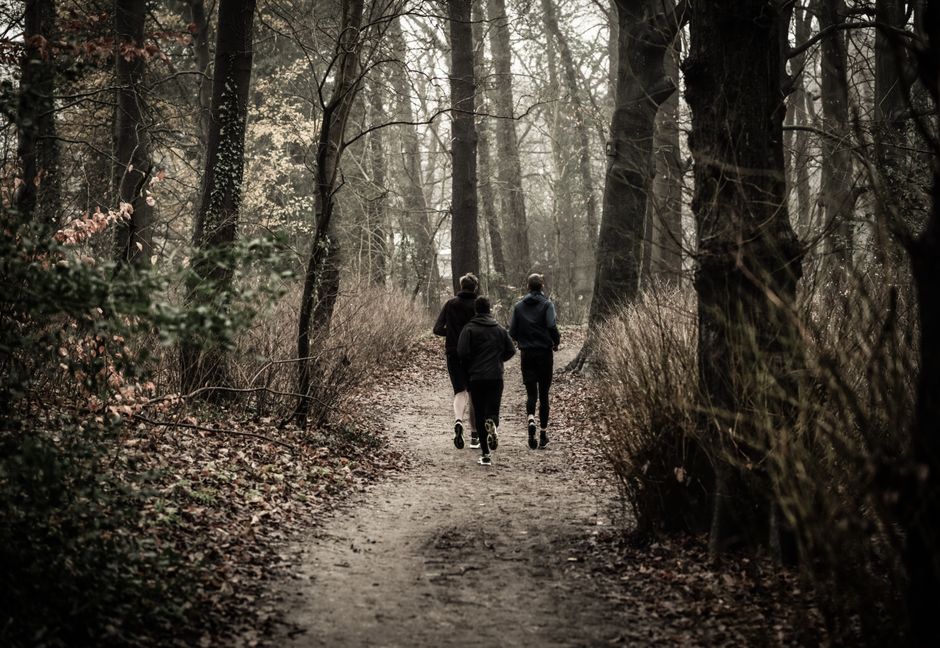
Photo by ClickerHappy via Pexels
Running through the middle of a mud patch rather than stepping around it actually causes less long-term damage than stepping to the side. When runners consistently step off the trail edge to avoid mud, the trail widens. Running straight through the mud keeps the footprint contained to the existing tread. This is counterintuitive and it's fine to accept that your shoes are going to get muddy sometimes.
Reporting problems matters. Most trail management agencies have apps or web forms for reporting trail damage, fallen trees, and hazards. A minute spent filing a report after a run can save a serious hiker injury or prevent a small erosion problem from becoming a trail closure. Get in the habit of reporting what you see.
What to Wear for Trail Running
Trail running gear requirements are simpler than the industry would have you believe. You need shoes with appropriate grip for your terrain, a way to carry water on longer runs, sun protection, and clothing that moves with you and dries reasonably fast.
For upper body, the main considerations are breathability and UV protection, particularly in summer and at altitude where radiation exposure is high. A well-fitted, lightweight cotton tee works fine for shorter runs and cooler conditions. The 6.1oz premium fabric in the Coastal Waves T-shirt is heavier than a typical running shirt but has the advantage of not pressing against your skin when damp, which reduces chafing on longer efforts. The relaxed fit also means it works for the coffee stop or post-run Saturday morning without looking like you just exercised.
For longer runs, particularly in direct sun, the Embrace The Mountain Call Tee in the same garment-dyed cotton is a good option. The hand-drawn graphics by artist Maria are designed for people who take the outdoors seriously, not as a lifestyle aesthetic. That distinction tends to matter to the people wearing them on actual trails.
Sun Protection on the Trail
Trail running in summer means significant UV exposure, often with broken shade that gives a false sense of protection. You move in and out of sun constantly, which means you're not as aware of cumulative exposure as you would be lying on a beach. The back of the neck, forearms, and the top of the head are the most commonly burned areas on trail runners.

Photo by Quang Nguyen Vinh via Pexels
A structured cap keeps direct sun off your face and reduces the amount of sunscreen you need to reapply during a run. The AukCliff Organic Trailblazer Hat in organic cotton sits well under headlamps for early starts and provides genuine coverage without overheating the way nylon caps tend to in warm conditions. Organic cotton breathes differently from standard cotton, and at running pace that matters.
Sunscreen on exposed skin, including lips, is mandatory for anything over 45 minutes in summer. Apply 20 minutes before you start and carry a small tube for reapplication on longer efforts. Zinc-based formulas stay on better in sweat than chemical sunscreens.
Long-Distance Impact: What Race Events Mean for Trails
Ultra races and trail running events concentrate large numbers of runners on specific trail sections in a short window. A well-organised event with a strong relationship with the land management agency can actually be a net positive. Race organisations often contribute to trail maintenance in exchange for permits, and the event drives conservation donations and awareness. The numbers here are significant: RunSignup's 2024 annual report found registrations for races between 50 and 100 miles jumped 77%, and 200-plus mile events grew 114% year-over-year, meaning the events with the highest per-runner environmental contact are growing fastest and need the strongest land management partnerships.
Poorly managed events cause real damage. Courses that route through sensitive alpine vegetation, use trails not designed for high traffic, or occur during wet conditions when soil is most vulnerable can set back trail health significantly. Before entering a race, it's worth checking whether the organiser has a legitimate relationship with the land manager and whether the course uses established, appropriate trails.
The best events embed trail ethics in their culture, briefing competitors on minimum impact practices, requiring pack-out of all waste, and having post-event trail work as part of the weekend. These aren't fringe events. Several of the largest and most prestigious trail ultras in the world operate this way.
Frequently Asked Questions
- Do trail runners cause more damage than hikers?
- Per person per visit, trail runners cause somewhat more damage than hikers due to higher impact forces and pace. However, because runners often visit more frequently and cover more ground, the total impact per person over time can be higher. The more significant factor is usually trail conditions: a runner on a dry, well-drained trail causes far less damage than a hiker on a saturated clay surface.
- How can I find out when my local trails are safe to run?
- Local trail running clubs, mountain bike clubs (who share many trails), and land management agency websites usually publish trail condition updates after significant rain. Many areas have Facebook groups or apps where trail users share current conditions. The general guideline is to wait 24-48 hours after heavy rain before running on soil-heavy trails.
- Is cotton or synthetic better for trail running?
- Synthetic wicks faster and dries more quickly, which makes it better for high-sweat intensity efforts and multi-hour runs in warm weather. Heavyweight cotton doesn't cling when damp, manages odour better over long days, and works well for shorter runs and cooler conditions. Many trail runners own both and choose based on the day's conditions and duration.
- How do I get involved in trail maintenance?
- Search for your regional trail running club or the land management agency responsible for your most-used trail network. Most areas have organised volunteer maintenance days, usually monthly in the dry season. American Trails, IMBA, and local running clubs all coordinate volunteer programs. Showing up once is usually enough to get on a mailing list and become a regular contributor.
- What's the right way to pass other trail users?
- Announce yourself early (a clear "on your left" or "runner coming through") to give other users time to step aside safely. Slow down before passing if the trail is narrow or the terrain makes moving aside difficult. Uphill hikers have right of way on many trail systems. When passing horses, make verbal contact with the rider first and pass slowly on the downhill side. Never pass without announcing yourself.
Related Reading
Wear it out there
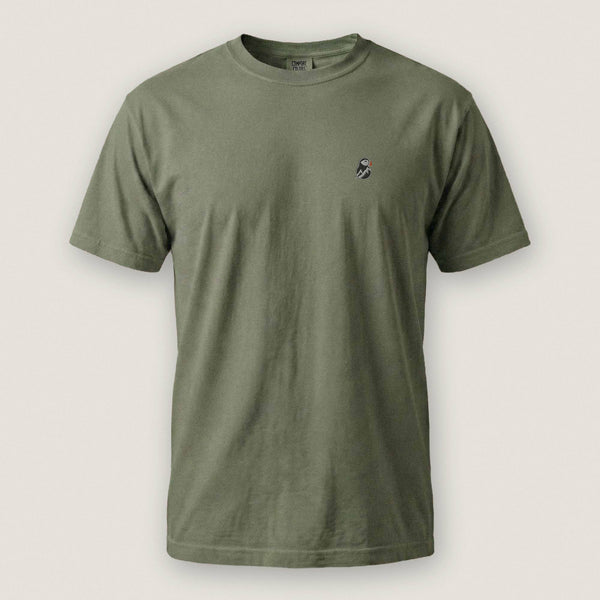
Simple
$75.99

Coastal Waves
$101.99

Captain Puffin Wildlife Photographer
$84.99

Captain Puffin Hiker
$84.99
Get the next one
New designs as they land, and the stories behind them. Unsubscribe in one click.