
What Is a Trailkeeper? (And Why It Matters More Than You Think)
A trailkeeper is someone who maintains, protects, and preserves trails for others. Traditionally, the word describes the people who clear fallen trees, repair eroded sections, and keep paths safe and accessible. But it carries more weight than a job description. A trailkeeper is anyone who treats the outdoors with the respect it deserves, who leaves a place better than they found it, and who protects access to nature for the people who come after them. It is an identity as much as a role. And at a time when trails face more pressure than ever before, the trailkeeper mindset matters more than most people realise.
What Does Trailkeeper Mean Traditionally?
The word comes from a simple idea: someone who keeps trails safe, clear, and accessible. In national parks and backcountry areas, trailkeepers are the people who do the work most hikers never see.
- Clear fallen trees and overgrown brush
- Repair eroded or damaged trail sections
- Build and maintain bridges, signs, and markers
- Monitor trail conditions and report hazards
Trail maintenance is one of the most underfunded areas of outdoor recreation. The American Hiking Society has highlighted that the U.S. faces a backlog of over $1 billion in deferred trail maintenance. Volunteer trail crews and local conservation groups fill much of the gap, often working without recognition or resources.
The literal trailkeeper is the reason you can follow a path through the woods without losing your way.
Why Does the Trailkeeper Idea Go Further Than Trail Maintenance?
The word has grown beyond its original meaning. Today, a trailkeeper is not just someone with a shovel and a saw. It describes a mindset.
A trailkeeper is someone who:
- Respects the environment they move through, not just the trail itself
- Leaves places better than they found them (the principle behind Leave No Trace)
- Shows others the way, whether that means introducing a friend to hiking or teaching a kid to read a trail map
- Protects access to nature for people who cannot advocate for themselves: future hikers, local wildlife, communities that depend on natural spaces
This is what makes "trailkeeper" more than a definition. It is an identity that sits at the intersection of outdoor recreation and conservation.
Why Does the Trailkeeper Mindset Matter Right Now?
Three things are happening at once.
- Trails are under pressure. Popular trails in the U.S., Canada, and Europe are being loved to death. Overcrowding, erosion, and litter have forced some parks to introduce permit systems or close trails entirely. Yosemite's Half Dome requires permits during peak season. Scotland's North Coast 500 has struggled with roadside camping damage.
- Funding is falling behind. The Great American Outdoors Act permanently authorised the Land and Water Conservation Fund in 2020, one of the largest sources of trail funding in the U.S. But demand for trail access continues to outpace the funding available for maintenance and expansion.
- People are more disconnected from nature than ever. The average American spends over 90% of their time indoors, according to the Environmental Protection Agency. Trails are one of the most accessible entry points to nature, and keeping them open and maintained is how you invite people back outside.
The trailkeeper mindset matters because trails do not maintain themselves, and the people who use them are not always the people who protect them.
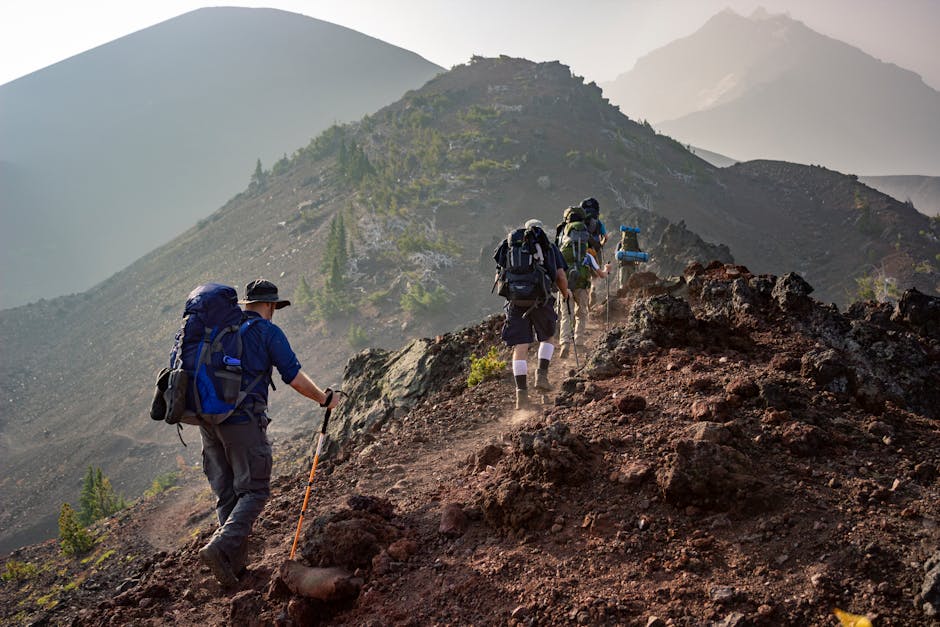
What Is the Difference Between a Trailkeeper and an Explorer?
Both words describe people who love the outdoors. But they describe different relationships with it.
| Explorer | Trailkeeper | |
|---|---|---|
| Focus | Seeking new experiences | Protecting existing access |
| Relationship with nature | Consumption (seeing, doing) | Stewardship (maintaining, giving back) |
| Impact | Personal growth | Collective benefit |
| Mindset | "What's out there?" | "How do we keep this?" |
An explorer goes to see something new. A trailkeeper makes sure the trail is still there when the next person arrives.
Most outdoor people carry both identities. You explore because you love nature. You become a trailkeeper because you want it to last.
How Can You Be a Trailkeeper?
You do not need to join a trail crew. The trailkeeper mindset starts with small, consistent actions.
- Pack in, pack out. Carry everything you bring, including food wrappers, tape, and anything that does not belong on the trail.
- Stay on the trail. Shortcutting switchbacks causes erosion. Established trails exist for a reason.
- Support conservation. Choose brands and organisations that fund trail maintenance or reforestation. Even small contributions add up over time.
- Pick up what others leave behind. One piece of litter per hike makes a difference over a lifetime.
- Introduce someone new. Take a friend, a kid, or a neighbour on a trail they have never seen. Access starts with invitation.
- Choose gear that lasts. A shirt that lasts five years is better for the environment than five shirts that last one year each.
The Leave No Trace Center for Outdoor Ethics publishes seven principles that align closely with the trailkeeper mindset. These principles are used by national parks, scout groups, and outdoor educators worldwide.

How Does the Trailkeeper Identity Fit Into Outdoor Culture?
At AukCliff, the trailkeeper is one of the core outdoor identities behind Captain Puffin. Every Captain Puffin character represents a different way people spend time outdoors: the Wildlife Photographer, the Bush Pilot, the Surfer, the Hiker, and the Trailkeeper.
The Trailkeeper character exists in regional editions. The Canada Trailkeeper, the American Trailkeeper, the Irish Trailkeeper, and the Pacific Northwest Trailkeeper each represent a specific landscape and trail culture. They are printed on heavyweight garment-dyed cotton, the same fabric used across the entire Captain Puffin collection.
Explore the full Captain Puffin collection
Last updated: April 2026
Frequently Asked Questions
What is a trailkeeper?
A trailkeeper is someone who maintains, protects, and preserves trails and outdoor spaces. The term originally describes trail maintenance workers and volunteers, but it has grown to represent anyone who treats nature with respect and works to keep it accessible for others.
How is a trailkeeper different from an explorer?
An explorer seeks new outdoor experiences. A trailkeeper focuses on protecting and maintaining the places that make those experiences possible. Most outdoor people carry both identities: exploring nature and caring for it.
How can I become a trailkeeper?
Start with small actions: pack out everything you bring, stay on marked trails, pick up litter, and support conservation organisations. The Leave No Trace Center for Outdoor Ethics publishes seven principles that align with the trailkeeper mindset.
Why does trail maintenance matter?
The U.S. faces over $1 billion in deferred trail maintenance according to the American Hiking Society. Without regular upkeep, trails erode, become unsafe, and eventually close. Volunteer trail crews and conservation groups fill much of the funding gap.
What are the Leave No Trace principles?
Leave No Trace is a set of seven outdoor ethics principles: plan ahead and prepare, travel on durable surfaces, dispose of waste properly, leave what you find, minimise campfire impact, respect wildlife, and be considerate of other visitors. They are used by national parks and outdoor educators worldwide.
Wear it out there

Simple
$75.99
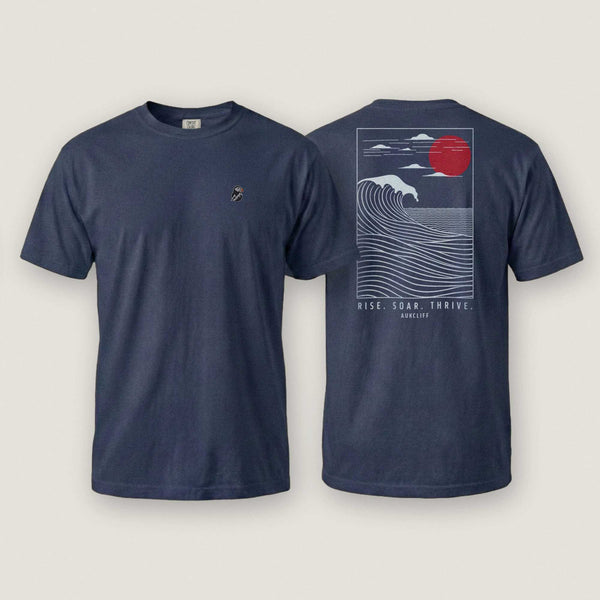
Coastal Waves
$101.99
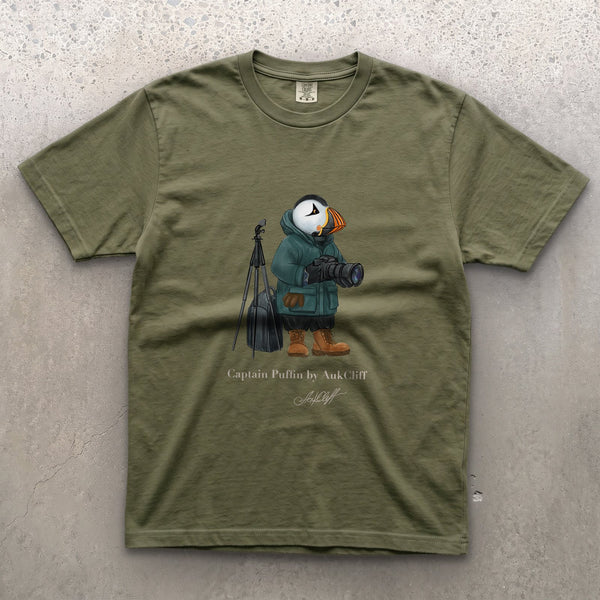
Captain Puffin Wildlife Photographer
$84.99
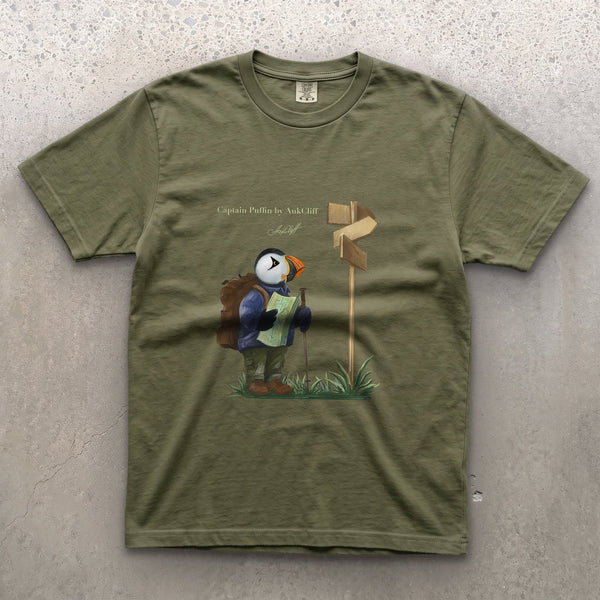
Captain Puffin Hiker
$84.99
Get the next one
New designs as they land, and the stories behind them. Unsubscribe in one click.