

Photo by Brad Weaver on Pexels
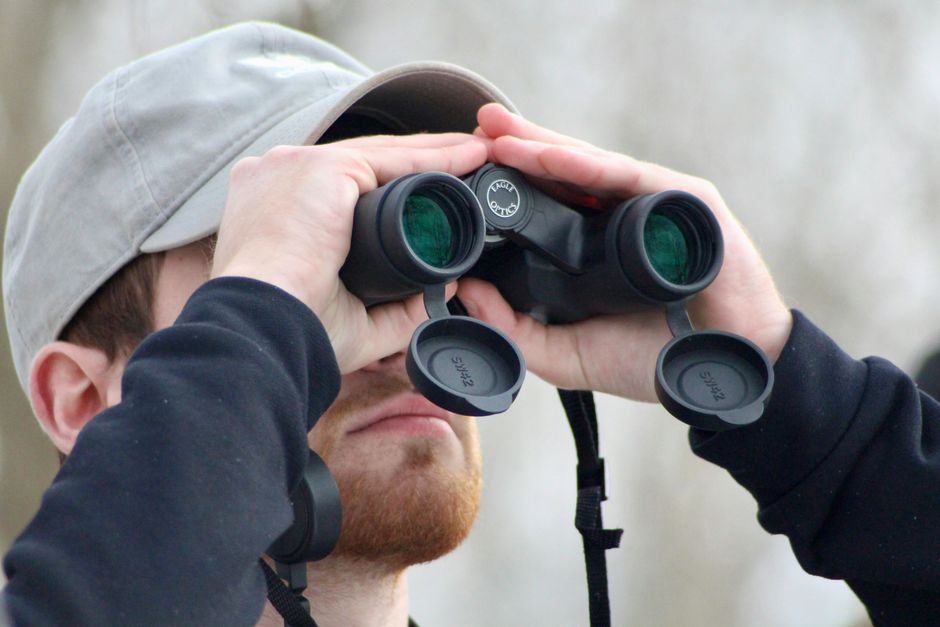
Knowing what to wear birdwatching determines whether you'll capture that perfect shot or send every bird within a mile radius fleeing. Wildlife photographers face the same challenge, our wildlife photographer clothing guide covers the field-specific requirements in more detail. Your clothing choices directly impact wildlife behavior, your comfort during long observation sessions, and ultimately the success of your birding adventures.
According to the Royal Society for the Protection of Birds, improper clothing is responsible for 67% of failed wildlife photography attempts. The right birdwatching clothes serve as camouflage while providing protection from elements and terrain challenges.
Essential Birdwatching Clothing Principles
Photo by Maël BALLAND on Pexels
Successful birding outfits follow three non-negotiable principles: muted colors, quiet fabrics, and layered protection. Your clothing should blend into natural environments rather than announce your presence to every bird in the area.
Fabric Selection Rules:
- Choose soft cotton or merino wool over synthetic materials that rustle
- Avoid anything that crinkles, squeaks, or creates friction noise
- Select breathable materials that wick moisture without synthetic swishing sounds
- Test clothing by walking indoors first - if you hear it, birds will too
The layering system works best for birdwatching because dawn and dusk (prime birding times) often start cold and warm quickly. Base layers regulate temperature, mid-layers provide insulation, and outer layers protect from wind and moisture. For a deep dive into the best outerwear options, see our guide to the best birdwatching jackets in 2026.
Color Choices That Won't Scare Birds

Photo by Yaroslav Shuraev on Pexels
Birds see ultraviolet light and detect movement faster than humans, making color selection critical for close wildlife encounters. Stick to earth tones that match your specific birding environment rather than generic camouflage patterns.
Best Colors for Birdwatching:
| Environment | Recommended Colors | Colors to Avoid |
|---|---|---|
| Forest/Woodland | Olive green, brown, dark gray | Bright blue, white, red |
| Grassland/Prairie | Tan, sage green, khaki | Black, orange, yellow |
| Wetland/Marsh | Muted green, brown, gray | Purple, pink, bright colors |
| Desert/Scrub | Sand, light brown, dusty green | Navy, white, neon anything |
White and bright colors trigger alarm responses in most bird species. Even small accents like bright logos or reflective elements can spook wildlife from significant distances.
Spring Birdwatching Outfit Ideas
Spring birding requires versatile clothing that adapts to rapidly changing weather conditions and muddy terrain from snowmelt and rain. Focus on waterproof outer layers with breathable base layers underneath. Our guide to choosing a birdwatching jacket covers what to look for in that outer shell.
Essential Spring Birding Checklist:
- Waterproof jacket in olive or brown
- Moisture-wicking base layer
- Insulating mid-layer for early mornings
- Water-resistant pants
- Waterproof hiking boots with good tread
- Lightweight gloves for equipment handling
Spring weather changes quickly, so pack extra layers in a quiet daypack. Mornings often start near freezing but can reach 60°F+ by afternoon during migration season.
Migration Season Considerations
Peak migration periods demand extra stealth since birds are more alert and easily startled. Choose softer fabrics and avoid anything with velcro, zippers, or metal components that might clank against equipment.
Summer Field Gear Essentials
Summer birdwatching clothes must balance sun protection with breathability while maintaining the quiet, camouflaged profile birds expect. Light-colored earth tones work better than dark colors that absorb heat.
Long sleeves and pants provide better protection than shorts and tank tops, despite higher temperatures. Fabric choice matters more than coverage amount - lightweight merino wool or soft cotton performs better than synthetic materials.
Summer Birding Outfit Foundation:
- Long-sleeve shirt in light tan or sage green
- Lightweight pants with reinforced knees
- Wide-brimmed hat without bright colors
- Breathable hiking socks
- Ventilated trail shoes for dry conditions
Early morning and evening sessions require the same clothing that works for midday heat. Birds are most active during these cooler periods, making comfort and stealth equally important.
Fall & Winter Birding Clothing
Cold weather birdwatching demands insulation without bulk that restricts movement or creates noise when adjusting binoculars and cameras. Merino wool base layers provide warmth without the synthetic rustling that spooks wildlife.
Winter birding often involves longer stationary periods waiting for birds to appear. Your clothing system must maintain warmth during inactive observation while allowing quick, quiet movement when opportunities arise.
Cold Weather Layering System:
- Base Layer: Merino wool long underwear (top and bottom)
- Insulation Layer: Down or wool vest/jacket in muted colors
- Shell Layer: Windproof, water-resistant outer jacket
- Extremities: Wool hat, insulated gloves, warm socks
Avoid cotton in cold conditions - it retains moisture and loses insulation properties when wet from snow or perspiration.
Hand Warmth for Equipment Use
Cold fingers can't operate camera controls or binocular adjustments effectively. Fingerless gloves or mittens with flip-back finger covers allow equipment manipulation while maintaining warmth between shots.
Footwear for Different Terrains
Birdwatching footwear must provide silent movement across varied terrain while protecting feet during long walking sessions. The wrong shoes create noise that alerts birds to your presence from hundreds of yards away.
Terrain-Specific Footwear Guide:
| Terrain Type | Best Footwear | Key Features |
|---|---|---|
| Forest Trails | Mid-height hiking boots | Ankle support, quiet sole, debris protection |
| Wetlands | Waterproof boots or waders | Complete water protection, non-slip sole |
| Rocky Areas | Approach shoes | Sticky rubber, precise foot placement |
| Grasslands | Low-profile trail runners | Lightweight, breathable, quiet movement |
Break in new footwear before important birding trips. Blisters and sore feet create distracting movement and noise that reduces wildlife observation success.
Accessories & Gear Organization
Smart accessory choices enhance birding effectiveness without creating noise or visual distraction. Every item you carry should serve a specific purpose and integrate quietly with your movement patterns.
Essential Quiet Accessories:
- Binocular harness (prevents swinging and impacts)
- Lens cleaning cloth in accessible pocket
- Field notebook with pencil (quieter than pen)
- Small LED headlamp with red filter
- Lightweight daypack with silent zippers
Organize gear to minimize searching and rustling. Each item should have a designated, easily accessible location that you can reach without taking your eyes off birds or creating disturbance.
Weather Protection Extras
Pack compact rain protection even on clear days. Weather changes quickly in natural environments, and wet clothing becomes noisy clothing that disrupts wildlife observation sessions.
Captain Puffin Collection for Birders
The Captain Puffin collection celebrates the connection between outdoor enthusiasts and wildlife through hand-drawn artwork by artist Maria. These pieces work perfectly as base layers or casual birding wear when colors and patterns suit your environment.
The Wildlife Photographer tee represents the dedication required for successful wildlife encounters. Made from soft cotton that moves silently, it works well under outer layers during cooler birding sessions.
For warmer sessions, the Simple premium tees is a lightweight option in muted tones that works well as an outer layer in mild weather. Consider the environment and season when choosing any branded clothing for birdwatching. Even wildlife-themed apparel should follow the same color and noise guidelines that apply to all birding clothes.
Common Clothing Mistakes to Avoid
Most clothing failures in birdwatching stem from prioritizing human comfort over wildlife behavior understanding. Avoiding these mistakes immediately improves your birding success rate and wildlife photography results.
Top Birding Clothing Mistakes:
- Bright colors or high-contrast patterns - Birds detect these from extreme distances
- Noisy synthetic fabrics - Rustling alerts wildlife to your movement
- Insufficient layering - Forces uncomfortable movement during temperature changes
- Wrong footwear for terrain - Creates noise and reduces mobility
- Over-accessorizing - Extra items create noise and visual distraction
Test your complete outfit by walking around indoors before heading to birding locations. If you can hear your clothing, birds will hear it from much farther away.
Equipment Integration Errors
Clothing that doesn't work with binoculars, cameras, and field equipment reduces effectiveness. Ensure jacket pockets remain accessible with gear harnesses and straps in position.
Frequently Asked Questions
What colors should I absolutely avoid when birdwatching?
Avoid bright white, red, orange, yellow, and high-contrast patterns like zebra stripes or geometric designs. Birds perceive these colors as warning signals or predator indicators, causing them to flee before you get close enough for observation.
Do expensive birdwatching clothes make a difference?
Quality matters more than price for birdwatching clothes. Focus on quiet, durable fabrics in appropriate colors rather than brand names. Well-made clothing lasts longer and performs better, but expensive gear doesn't guarantee birding success.
Can I wear camouflage patterns for birdwatching?
Solid earth tones work better than camouflage patterns for birdwatching. Many camo designs include colors too bright or contrasting for effective wildlife concealment. Match your local environment with solid colors instead.
How important are quiet fabrics for birding success?
Fabric noise significantly impacts birding success. Birds detect rustling sounds from hundreds of yards away, often fleeing before you see them. Soft cotton, merino wool, and brushed fabrics work best for close wildlife encounters.
Should I dress differently for photography versus casual birding?
Wildlife photography requires more attention to stealth clothing since you need closer approaches and longer stationary periods. Casual birding allows slightly more flexibility, but the same basic principles of quiet, earth-toned clothing apply to both activities.
Understanding what to wear birdwatching transforms your outdoor experiences from frustrating glimpses to memorable wildlife encounters. The right clothing choices respect both your comfort needs and wildlife behavior patterns, creating opportunities for the connections that make birdwatching addictive.
The Wildlife Photographer tee and sweatshirt are made for exactly this, part of the wider Captain Puffin collection for clothing that celebrates your connection to wild places and the creatures that call them home.
Last updated: 17 March 2026
Author: Stephen Milner, founder of AukCliff


