
What to Wear Hiking: The Layering System Every Guide Swears By
The Short Answer: Three Layers, Nothing More
What to wear hiking comes down to three layers working together: a moisture-wicking base that pulls sweat away from your skin, an insulating mid-layer that traps warmth, and a shell that blocks wind and rain. That's the system. Everything else is variation within those three roles. The reason so many hikers get it wrong is not that the system is complicated, it's that they treat it as three separate garments instead of one breathing unit that adjusts to how hard they're working and where they're standing on the mountain.
Overheat on the climb, open a zip. Reach the ridge and the wind cuts through: close it. Summit and stop moving: add the mid-layer back. The system only works if you're willing to stop, adjust, and keep moving. Most people put everything on in the car park and don't touch it again until they're either roasting or shivering. That's the real mistake.
Below is the full breakdown, with fabric weights, temperature ranges, and specifics from Scottish winter and New Zealand alpine conditions.
Layer 1: The Base Layer
The base layer's job is one thing: move sweat away from your skin. Cotton fails at this completely. It absorbs moisture and stays wet, which means you're hiking in a cold, damp shirt the moment you stop sweating. This is where hypothermia risk begins, even in summer. A wet cotton base on a 10°C summit with 15 knots of wind is a genuine problem.
Choose merino wool or a synthetic (polyester-based) alternative.
- Merino wool: 150-200 gsm for three-season use, 200-250 gsm for cold conditions. Naturally odour-resistant, soft against skin, regulates temperature well in mixed conditions. Slower to dry than synthetics but manages sweat without the clammy feel.
- Synthetic: 100-150 gsm polyester or nylon blend. Dries faster, less costly, and more durable. Holds odour more readily but performs well for high-output days.
Fit matters: the base layer should sit close to the skin without restricting movement. Loose base layers trap air gaps that don't move moisture efficiently.
In Scottish winter I wear a 200 gsm merino long-sleeve as the base on everything from Glen Coe ridges to Ben Nevis in January. On New Zealand's Tongariro Alpine Crossing in summer, a 150 gsm short-sleeve merino is enough for the climb, with the mid-layer in the pack for the exposed plateau section.
Layer 2: The Mid-Layer
The mid-layer insulates. It traps body heat in dead-air pockets and keeps that heat close to you when your output drops. This is the layer you pull on at rest stops, summits, and lunch breaks. It's also the layer most hikers skip or get wrong by choosing something too heavy and then overheating on the ascent.
Two main options:
- Fleece: 200-300 gsm polyester fleece. Durable, breathes well, dries fast, handles damp conditions without losing much insulating ability. Grid fleece (thinner, more packable) works well under a shell. Heavier pile fleece is better for standing around in cold conditions.
- Down or synthetic insulation: Packable, very warm for the weight. Down compresses to almost nothing and is ideal when conditions are dry. Synthetic insulation (PrimaLoft or similar) insulates even when wet, which is the critical advantage in maritime climates like the UK or New Zealand's west coast.
The mid-layer must be quick to add or remove. If it's a production to get into, you'll stop adjusting it and the system breaks down.
A good merino sweatshirt sits between pure fleece and a down jacket: better breathability than fleece, more natural warmth than a thin synthetic mid, practical as a camp layer or standalone top on mild evenings. The Captain Puffin Hiker Sweatshirt works this way: cotton-polyester fleece blend, substantial enough for a mid-layer role, comfortable enough to wear at the trailhead without looking like you're gearing up for an expedition.

Layer 3: The Shell
The shell does not have to be warm. Its job is to stop wind and rain from stripping heat away from the layers underneath. A good shell can feel surprisingly thin and light. The insulation is the mid-layer's responsibility.
What to look for:
- Waterproofing: 10,000mm hydrostatic head is adequate for typical hiking conditions. 20,000mm+ for sustained heavy rain or high-output scrambling. Gore-Tex and similar membranes breathe while remaining waterproof, which matters on long days.
- Breathability: Rated in grams per square metre per 24 hours (g/m²/24h). 10,000+ g is adequate for moderate hiking. High-output scrambling or running benefits from 20,000+.
- Fit: Room to layer underneath without restricting arm movement. Check that you can reach above your head with mid-layers on before buying.
Softshell jackets (stretch woven, water-resistant rather than waterproof) work well in dry-but-windy conditions and breathe better than hardshells. In the UK and New Zealand, a hardshell in the pack is non-negotiable regardless of the forecast.
Legs, Feet, and Hands
Most hikers over-engineer the upper body and under-think everything below the waist.
Legs
Softshell trousers or stretch hiking pants are the three-season standard: wind-resistant, quick-drying, and unrestricted. Below 5°C, add a merino base layer underneath. Below 0°C on exposed terrain, waterproof over-trousers become the default, not optional.
Feet
Merino wool socks at medium or heavy cushion are the standard for day and multi-day hiking. They regulate temperature across a wide range and resist odour better than synthetics. Match sock thickness to your boot: a thick sock in a snug boot creates pressure points that become blisters by hour three.
The Long Distance Walkers Association recommends breaking in new boots on shorter walks before committing to a full day on the hill.
Hands and Head
A thin merino liner glove packs flat and covers most conditions from Glen Coe in April to the Tongariro crossing at dawn. Add a waterproof mitt for severe weather. For the head: a merino beanie that fits under your hood. In summer, UV intensity rises roughly 10-12% per 1,000 metres, so a cap matters on exposed ridgelines.

What to Carry vs. Wear
Guides start a climb in base layer only, or base plus a light mid, with the shell and heavier insulation in the pack. You generate significant heat on ascent. Starting warm means overheating within twenty minutes and arriving at the summit in a damp mid-layer you can't shed.
A practical day-hike pack for UK or NZ mixed conditions:
- On body: merino base layer, light softshell or fleece
- In pack: hardshell jacket, insulated mid-layer, waterproof trousers, spare merino socks, beanie, liner gloves
- Optional: sun hat, gaiters for boggy ground, trekking poles
Captain Puffin for the Hiker
The Captain Puffin Hiker collection was built around the character who knows the mountain better than the car park. The Captain Puffin Hiker premium tees works as a warm-weather base layer or a camp top after a long day out. The Hiker Sweatshirt works as a mid-layer or standalone when the temperature is comfortable and the pace is steady.
Both are part of the broader Captain Puffin collection, built around characters that live outside rather than just visit.
For more on dressing for specific outdoor pursuits, see our guide to the best hiking places in the UK, with notes on what each terrain demands from your kit.
FAQ
What should I wear hiking in summer?
In summer, a moisture-wicking base layer (merino or synthetic, 150 gsm) and lightweight hiking trousers cover most conditions below 1,500 metres. Carry a windproof shell and a light insulating layer for summits and rest stops, where temperature can drop significantly even on warm days. Sun protection, including a hat and SPF, is more important at altitude than most hikers expect.
What is the best base layer for hiking?
Merino wool at 150-200 gsm is the most versatile base layer for three-season hiking. It manages sweat without staying wet, regulates temperature across a wide range of conditions, and resists odour better than synthetic alternatives on multi-day trips. Synthetic polyester dries faster and costs less, making it a practical choice for high-output single-day hikes.
Do I need a waterproof jacket for hiking?
Yes, in almost all mountain and upland environments. Weather moves faster at altitude than forecasts suggest. A hardshell weighs 300-500g and packs to the size of a water bottle. The weight cost of carrying it is trivial compared to the alternative.
What fabric should I avoid when hiking?
Cotton against your skin. It absorbs moisture and holds it, leaving you cold and damp the moment your pace drops. This includes denim, standard T-shirts, and cotton underwear. The exception is a cotton-blend sweatshirt worn over a wicking base on low-output days in dry, mild conditions.
How many layers do I need for a day hike?
Three: base, mid, and shell. On a warm summer day at low elevation, you may start with just the base on your body and the other two in the pack. On a winter day above 800 metres in the UK or New Zealand's South Island, you'll use all three at different points. The system flexes. That's the point.
Wear it out there
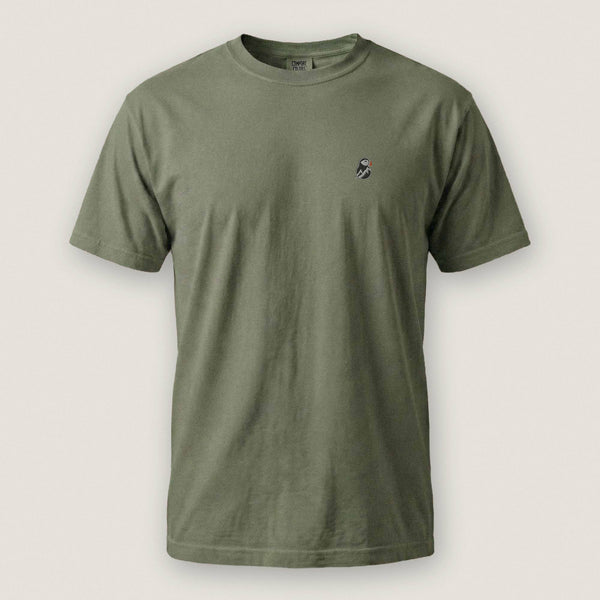
Simple
$75.99
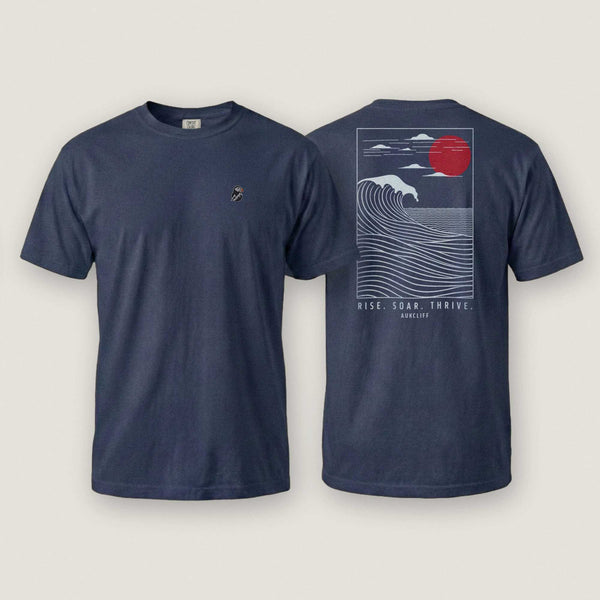
Coastal Waves
$101.99
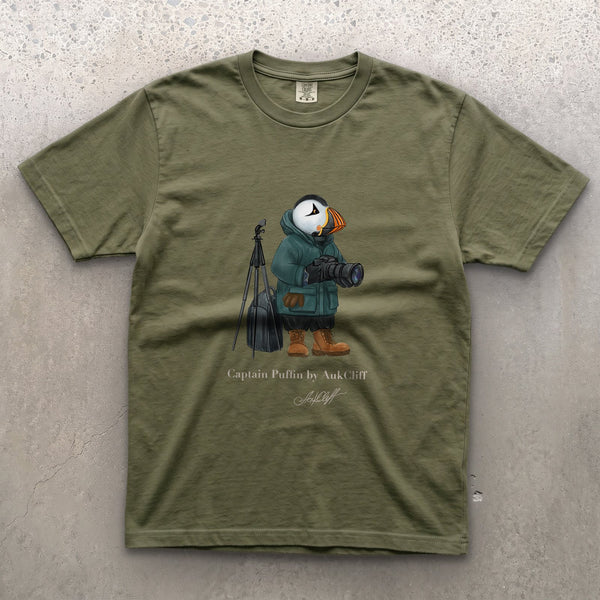
Captain Puffin Wildlife Photographer
$84.99
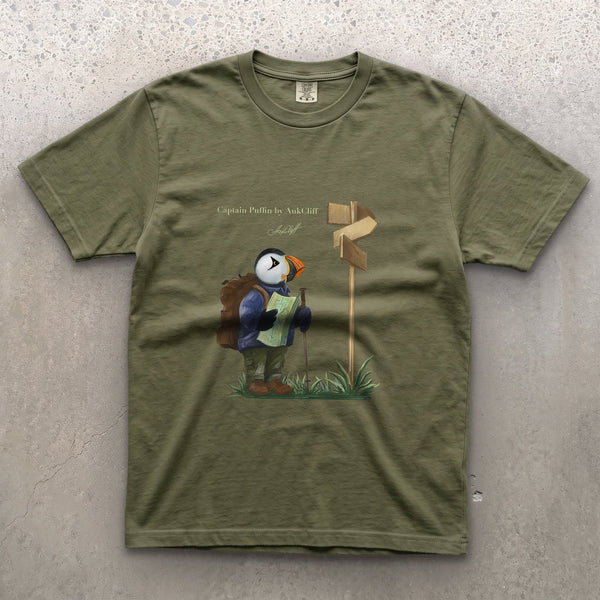
Captain Puffin Hiker
$84.99
Get the next one
New designs as they land, and the stories behind them. Unsubscribe in one click.