
Backpacking Arches National Park: Routes and Permits
Arches National Park is one of those places that exceeds expectations even when you know it's coming. The density of named arches and fins, the colour shifts from dawn to mid-morning, the way the rock absorbs heat and radiates it back at you in the afternoon. It's a legitimately singular place to hike.
It also gets very busy. Visitation peaked at 1.8 million in 2021, a 74% increase from 2011 according to the National Park Service. That pressure forced the NPS to implement a timed-entry reservation system, and it changed how you need to plan a trip. This guide covers the permit system, the best routes for day hikers and those wanting to go deeper into the backcountry, and the practical realities of hiking in the Utah desert.
The Timed-Entry Reservation System
From April through October, Arches requires a timed-entry reservation to enter the park between 7am and 4pm. The reservations are released on Recreation.gov in two batches: three months in advance, and the day before. The day-before batch (released at 6pm local time) is worth trying if you're flexible on dates.
The system has done what it was designed to do. After the timed-entry system came into effect, annual visitation stabilised at 1.46 to 1.48 million visits according to National Parked, down from the 2021 peak but still substantial. The park is still busy, but noticeably more manageable than the 2020-2021 period when parking lots overflowed onto the main highway.
Outside the April-October window, no reservation is needed. Winter visits (November through March) offer clear skies, emptier trails, and the chance of snow on the red rock, which is worth seeing. The trade-off is shorter days and temperatures that can drop significantly after sunset.
Backcountry camping within the park requires a separate permit, available at the visitor centre. Demand is lower than you might expect because there are no established backcountry campsites with water, which limits the pool of applicants to people prepared for self-sufficient desert camping.
Devils Garden: The Best Day Hike in the Park
Devils Garden sits at the northern end of the park road and contains more named arches than any other area of Arches. The main trail to Landscape Arch is 1.6 miles each way and is paved, making it the busiest section. Landscape Arch is one of the longest natural rock arches in the world at 88 metres, and it's worth seeing despite the crowds.

The primitive loop beyond Landscape Arch is where the character changes. It's 7.9 miles total and involves scrambling, cairned routes across bare slickrock, and significant exposure in places. Double O Arch and Dark Angel at the far end reward the effort. Most people turn back at Landscape Arch. Going further feels like stepping into a different park.
Start early. By 9am in summer the trail back to Landscape Arch is uncomfortable. By noon it's genuinely hot. At Devils Garden Trailhead there's a small campground, so staying the night and hiking at dawn is the best approach if timing allows.
Fiery Furnace: The Permit-Required Maze
Fiery Furnace is a tightly packed network of narrow fins and canyons near the middle of the park. There are no trails, no markers, and without prior knowledge it's genuinely easy to get turned around. The NPS requires either a ranger-led tour ticket or a self-guided permit to enter.
The self-guided permit requires watching an orientation video and costs a small fee. It's well worth doing. The Furnace rewards careful navigation and some route-finding skill. The density of rock formations in a relatively small area makes it unlike anywhere else in the park. Budget 3-4 hours for a proper exploration.
Ranger-led tours run from March through September and book out weeks in advance. They're a good option for first-timers who want context and commentary on the geology and ecology. Either way, book before you arrive.
Water: The Non-Negotiable Consideration
There is no water in the Arches backcountry. The visitor centre at the park entrance has water filling stations. Devils Garden Trailhead has a water spigot. Beyond those two points, you carry what you need.

Photo by James Lee via Pexels
The standard desert hiking guideline is 1 litre per hour of active hiking. In summer at Arches, in direct sun, that number is conservative. Heat illness and dehydration account for a significant share of rescues at Arches and the surrounding southeast Utah parks. The NPS has a clear position on this: most people underestimate how much water they need in the desert.
For day hikes, a 3-litre reservoir is a minimum in summer. For the Devils Garden primitive loop on a hot day, carry more and plan your turnaround around water remaining in your pack, not around time or distance.
Beyond Arches: Canyonlands and the Moab Area
Tourism to southeast Utah parks contributed over $486 million to local economies in 2024 according to the NPS. That economic footprint reflects how many people use Moab as a basecamp for multiple parks, and it's the right approach. Canyonlands National Park is 30 minutes from the Arches entrance and offers a fundamentally different experience.
The Island in the Sky district has the Mesa Arch sunrise hike (short, iconic, crowded) and the longer Grand View Point trail with uninterrupted canyon views. The Needles district requires more planning but rewards it with route options that take 3-4 days and include some of the most remote terrain accessible from a paved road in the continental United States.
Dead Horse Point State Park is 20 minutes from Arches and has a paved overlook that rivals anything in the national park system. It's often less crowded than either national park and doesn't require an America the Beautiful pass.
What to Wear for Desert Hiking at Arches
Sun protection is the primary function of clothing in the Utah desert. A lightweight long-sleeve layer, a hat with full brim coverage, and sunscreen on any exposed skin. Sandstone retains heat and radiates it upward; in mid-afternoon you're getting heat from above and below simultaneously.
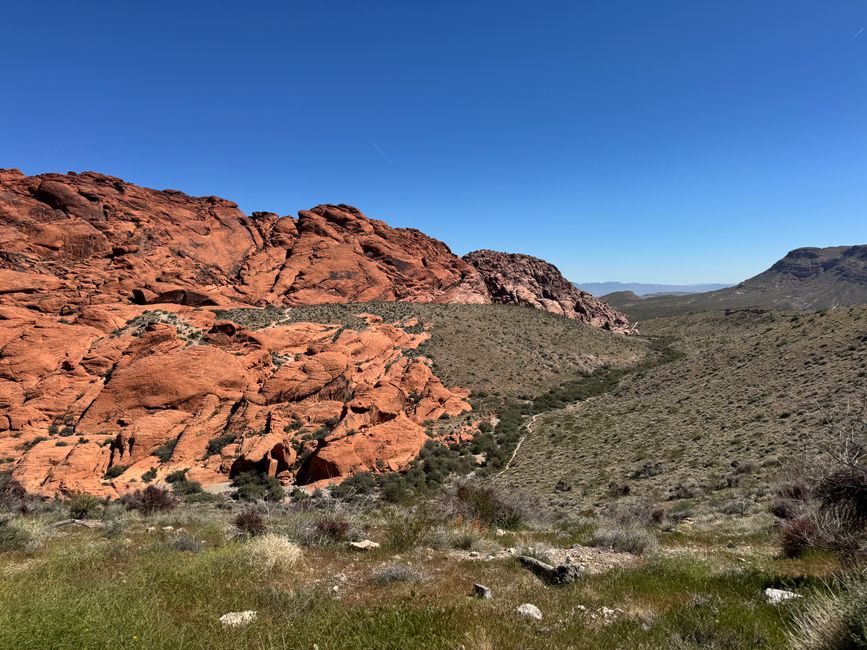
Photo by Petra Nesti via Pexels
For the cooler morning and evening hours, and for the drive between trailheads, a solid base layer matters. The Peak Junkie Hoodie in 9oz premium fleece is the right weight for cool desert mornings without being overkill once the sun hits. Layer it under a hardshell if you're there in shoulder season when cold fronts move through quickly.
Tees matter more than people give them credit for in desert environments. A heavier garment-dyed cotton like the Life on the Edge T-Shirt holds up to repeated wears without the synthetic smell that builds up in cheaper performance fabrics, which matters on multi-day trips through Moab when laundry isn't always an option. The Raised on Peaks T-Shirt is the same 6.1oz premium construction if you want a different graphic.
Footwear is worth thinking about carefully. The slickrock surfaces at Arches require grip. Low hiking shoes or trail runners work for the main trails. The primitive routes in Devils Garden and cross-country travel in Fiery Furnace benefit from a stiffer sole with real edge support.
Overnight Options Near Arches
Moab has a wide range of accommodation from budget motels to boutique hotels. It books out early in spring and fall, which are the peak hiking seasons. Camping within the park at Devils Garden Campground has 51 sites and requires advance reservations from March through October.
BLM land surrounds much of the national park and allows dispersed camping. Kane Creek Road and Long Canyon Road both have pull-in sites. The advantage is flexibility. The disadvantage is that the most popular spots fill by midday in spring.
For the Origin Collection, or for picking up a Born of the North Hoodie before a trip, the original Captain Puffin art is hand-drawn by artist Maria. Each piece is designed in New Zealand. Wearing something with actual craft behind it on a trail this photogenic feels right.
The Trailblazer Puffin Embroidered Patch is worth adding to a pack or jacket before a trip through Arches. It's a small thing, but it accumulates meaning. Check the full Accessories range for more options.
FAQ
Do I need a reservation to hike at Arches National Park?
From April through October, yes. A timed-entry reservation is required to enter between 7am and 4pm. Reservations are released on Recreation.gov three months in advance and the day before at 6pm local time. Outside that window and outside those hours, no reservation is needed.
Is backpacking in Arches different from other national parks?
Significantly. There are no established backcountry campsites with water sources. Backpacking requires a permit from the visitor centre, full water carry, and navigation skills since most routes are unmarked. It's rewarding but demands more preparation than a typical backcountry permit trip.
What is the best time of year to visit Arches?
March to May and September to November. Spring brings wildflowers and manageable temperatures. Fall has cooler hiking temperatures and better light. Summer is manageable with very early starts and smart planning but the midday heat is serious. Winter is genuinely beautiful but requires cold-weather preparation and short hiking days.
How much water should I carry hiking at Arches in summer?
A minimum of 3 litres for any full-day hike. For the Devils Garden primitive loop on a hot day, 4 litres is safer. There is no water in the backcountry and dehydration is the most common cause of emergency calls in the park. Don't underestimate the desert.
Is Arches worth visiting if I can only do day hikes?
Absolutely. The park's best experiences are accessible on day hikes. Devils Garden, Delicate Arch, and Fiery Furnace cover most of what makes Arches exceptional. A two or three day visit based in Moab, covering one major hike per day, is the standard approach and it works well.
You Might Also Like
Wear it out there
Simple
$75.99
Coastal Waves
$101.99

Captain Puffin Wildlife Photographer
$84.99

Captain Puffin Hiker
$84.99
Get the next one
New designs as they land, and the stories behind them. Unsubscribe in one click.