

Best Backpacking Destinations Around the World
Backpacking is one of the most rewarding ways to see the world. You carry what you need, you move at your own pace, and you end up in places that package tours never reach. According to the Broke Backpacker, the number of long-term backpackers worldwide grew from 6.6 million in 2007 to 10.3 million in 2021, and the appetite for slow, immersive travel has only grown since. Whether you are planning your first multi-week trip or adding another region to a well-worn passport, this guide covers the best backpacking destinations by region, what to pack, and how to travel smarter.
Southeast Asia: The Classic Starting Point
There is a reason Southeast Asia remains the most popular backpacking region on the planet. The infrastructure is excellent, the food is extraordinary, and your money stretches further here than almost anywhere else. Thailand is the obvious entry point: Chiang Mai offers a slow, cultural base with night markets and jungle treks, while the southern islands deliver the kind of coastal scenery that makes people extend their trips by weeks. The northern loop through Pai and the Golden Triangle suits hikers and cyclists who want something quieter than the tourist trail.
From Thailand, most backpackers push east into Laos. Vientiane consistently ranks as one of the most affordable cities in the world for travellers, with Statista data placing daily costs at just $18.54, covering accommodation, meals, and transport. The pace in Laos is deliberately slow. Luang Prabang, with its French colonial architecture and morning alms-giving ceremonies, is one of the most genuinely beautiful towns in Asia. Budget around three weeks for the Thailand-Laos loop to do it properly.
What you wear matters more than most people expect in this region. Humidity is relentless, border crossings can involve hours of waiting in direct sun, and you will go from beach to temple to mountain trail in the same day. The Life on the Edge T-Shirt is built for exactly that kind of movement: breathable, packable, and sharp enough for a street-food dinner.
South America: Peru and Beyond
South America rewards backpackers who go slowly. Peru alone could absorb two months: the Inca Trail and Salkantay Trek to Machu Picchu are legendary, but the Colca Canyon, the floating islands of Lake Titicaca, and the Amazon basin each deserve serious time. Cusco is the natural hub, sitting at 3,400 metres and forcing most travellers to acclimatise for several days before heading higher. That forced pause is not a bad thing. The city has one of the finest backpacker scenes in South America, with excellent hostels and a food culture that has recently drawn international attention.

Colombia has transformed over the past decade into one of the standout destinations for independent travellers. Medellin, Cartagena, and the Coffee Region each offer a completely different experience, and the country's bus network makes it easy to string them together over three to four weeks. Argentina and Chile round out a classic South American circuit, with Patagonia providing some of the finest trekking terrain anywhere in the world. The W Trek in Torres del Paine and the Fitz Roy sector around El Chalten are multi-day routes that require preparation but deliver landscapes that stay with you permanently.
Europe on a Budget: Portugal as the Smart Entry Point
Europe is often dismissed as too expensive for serious backpacking, but Portugal disrupts that assumption. Lisbon and Porto are two of the most walkable, food-rich cities on the continent, and accommodation costs remain well below the European average. The Alentejo region offers slow travel through cork forests and medieval villages at a fraction of what comparable areas in France or Italy cost. The Camino de Santiago, with its many routes converging on Santiago de Compostela in Spain, remains one of the world's great long-distance walking experiences and an affordable one at that, with a network of low-cost pilgrim hostels called albergues running the full length of every route.
For backpackers willing to move beyond Western Europe, the Balkans offer extraordinary value. Albania, North Macedonia, and Kosovo are seeing rapidly growing interest from independent travellers who have already covered the more established Balkan routes through Croatia, Slovenia, and Bosnia. Georgia, on the border between Europe and the Caucasus, is arguably the best-value destination in the entire region right now, with a hiking culture that punches well above its international profile.
Layering is the key to European backpacking, where a single day can move through four distinct weather conditions. The Born of the North Hoodie sits perfectly between a base layer and a full jacket, and it packs into a day bag without bulk.
New Zealand: Oceania's Backpacking Benchmark
New Zealand has built one of the world's best systems for independent travellers. The Great Walks network covers nine routes across both islands, from the Milford Track in Fiordland to the Tongariro Alpine Crossing in the central North Island. Huts are bookable in advance, well-maintained, and spaced at sensible day-walk intervals. The country also has an extensive freedom camping culture, with hundreds of designated sites across both islands where self-contained vans and tents are welcome.
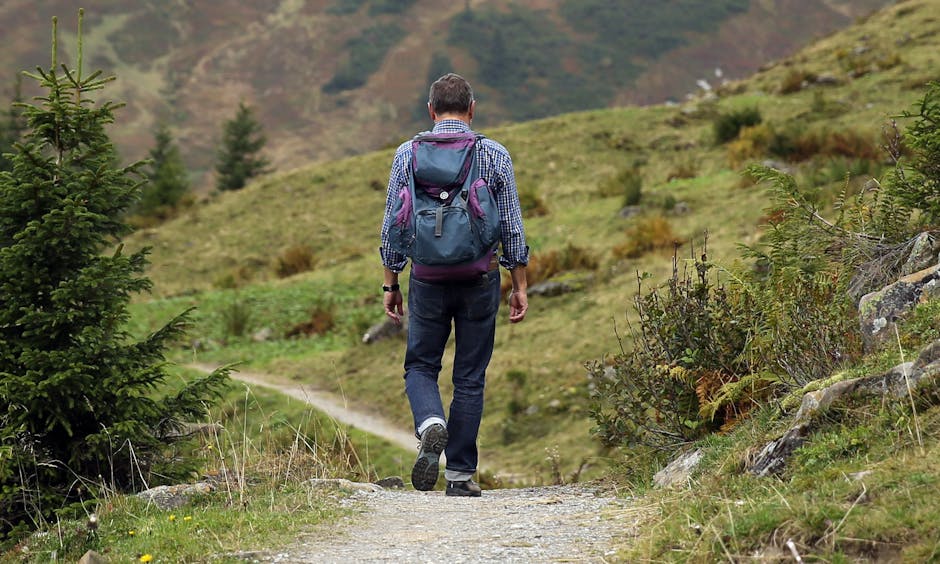
Photo by Pixabay via Pexels
The South Island is the more dramatic of the two, with the Southern Alps providing a backbone of genuine alpine terrain. Abel Tasman on the northern tip of the South Island is the most popular Great Walk and for good reason: coastal forest, golden sand beaches, and water taxis that let you design your own route. The North Island is often underestimated. The Tongariro Crossing, frequently described as the finest one-day walk in New Zealand, crosses an active volcanic plateau and delivers scenery that feels unlike anywhere else on earth.
AukCliff is designed in New Zealand, and the outdoor culture here runs deep in everything we make. The Peak Junkie Hoodie and the Embrace The Mountain Call Tee were built for conditions exactly like the ones you will face on the South Island: unpredictable weather, long days on exposed ridgelines, and the kind of cold that arrives without warning at elevation. Browse the full The Origin Collection for gear built around this philosophy.
North America's Long Trails: The Appalachian Trail and PCT
Long-distance trail culture in North America is its own subculture. The Appalachian Trail runs 3,500 kilometres from Georgia to Maine, and the Pacific Crest Trail covers 4,265 kilometres from the Mexican border to the Canadian. Both take five to seven months to complete as a thru-hike and attract thousands of attempts each year. The PCT issues around 8,000 permits annually according to the Pacific Crest Trail Association, yet the completion rate sits at just 14%, which tells you something honest about the commitment required.
Most people who attempt these trails do not finish them, and that is not a failure. Section hiking gives you access to the best stretches without the full commitment. The Smokies section of the AT, the John Muir Trail overlap on the PCT through the Sierra Nevada, and the Cascades section through Washington state are all accessible as standalone multi-day routes. The infrastructure around these trails is excellent: trail towns with resupply boxes, gear shops, and hostels that specifically cater to long-distance hikers have grown up at regular intervals along both routes.
Backpackers in North America spend significantly more than travellers elsewhere. Forbes and the Broke Backpacker report that US backpackers spend an average of $4,474 annually on travel compared to $3,155 for leisure travellers, reflecting the gear investment and resupply costs that long-trail culture demands.
Solo vs Group: How to Think About It
Solo backpacking gives you total freedom of movement. You leave when you want, stay longer than planned, change direction without negotiation. The social dimension takes care of itself in hostel common rooms and on shared transport. Most long-term solo travellers report that loneliness is rarely the problem people expect it to be. The more common challenge is decision fatigue, and that is worth acknowledging before you go.

Photo by Julia Volk via Pexels
Group backpacking, even with just one other person, changes the dynamic entirely. You share costs on accommodation and transport, you have someone to watch your bag at a bus station, and the conversation sustains you through the flat stretches of a long trip. The tradeoff is pace and flexibility. The best approach for most people is to start solo, stay open to joining up with people you meet along the way, and treat the group size as something that shifts naturally as the trip unfolds.
Packing Essentials and Safety Fundamentals
The biggest mistake first-time backpackers make is packing too much. A 50-litre pack is the practical ceiling for most multi-week trips. Below that limit, you move faster, spend less on luggage fees, and carry your kit through cobblestone streets and muddy trails without destroying your back. The items most people over-pack are clothing and shoes. Two pairs of versatile trousers, four to five tops, a single mid-layer, and one set of smart-casual clothes cover almost every situation you will encounter.
Safety is contextual. Southeast Asia and Portugal carry risk profiles similar to any major European city. South America requires more awareness, particularly around city transport and night arrivals. New Zealand and the AT/PCT demand weather preparedness and solid navigation skills rather than personal security awareness. In all regions, the basics hold: keep digital and physical copies of documents, use a money belt in crowded areas, trust your instincts, and tell someone your route when heading into the backcountry.
Travel insurance is non-negotiable. Medical evacuation from a remote trail in Patagonia or a motorbike injury in Southeast Asia can exceed $100,000 without coverage. World Nomads and SafetyWing are both well-regarded options built specifically for long-term independent travellers.
Frequently Asked Questions
What is the cheapest region in the world for backpacking?
Southeast Asia consistently offers the lowest daily costs. Laos is frequently cited as the most affordable individual destination, with Statista data showing average daily expenditure in Vientiane at $18.54. Cambodia and Vietnam are similarly budget-friendly. For comparison, budget backpacking in Western Europe typically runs $60 to $90 per day once accommodation, food, and transport are included.
How long should my first backpacking trip be?
Three to four weeks is the sweet spot for a first trip. It is long enough to find your rhythm and reach places that require slow travel, but short enough to manage without burning out or running out of money. Southeast Asia works particularly well at this length because the region rewards spontaneity, and the transport network makes it easy to adjust your itinerary as you go.
What should I look for in a backpacking hoodie or base layer?
Weight, packability, and moisture management are the three non-negotiables. You want something that compresses small enough to slip into the top of your pack, handles temperature swings without soaking through with sweat, and looks presentable enough for a restaurant or a long bus ride. Avoid cotton for anything you plan to wear on trail days. Blended fabrics and performance cotton options like Comfort Colors garments perform significantly better in variable conditions.
Is solo backpacking safe for first-time travellers?
Yes, with preparation. The most important factors are choosing a region with strong backpacker infrastructure for your first trip (Southeast Asia and Portugal both qualify), booking your first two nights of accommodation in advance so you arrive with a plan, and getting travel insurance before you leave. Most incidents that occur on solo trips come down to distraction in crowded areas or poor planning around night arrivals in unfamiliar cities, both of which are avoidable.
What is Captain Puffin and what does AukCliff make?
Captain Puffin is AukCliff's flagship character and the face of our most popular designs. He is hand-drawn by artist Maria, not generated by AI, which gives every piece a warmth and specificity that you can actually see in the detail of the linework. AukCliff makes outdoor-inspired clothing designed in New Zealand for people who spend serious time outside. The full range covers everything from trail-ready tees to mid-weight hoodies built for mountain conditions. You can see the core range in The Origin Collection.
You Might Also Like
Every AukCliff order plants a tree through our partnership with One Tree Planted.


