

Cycling in the Caribbean gets overlooked in favour of beach tourism, but the region has some genuinely interesting riding if you know where to look. The Caribbean welcomed approximately 34.2 million international overnight visitors in 2024, an increase of 6.1% over 2023 and a new record according to the Caribbean Tourism Organisation. Most of that traffic flows toward beaches and resorts. Volcanic terrain, coastal cliff paths, sugar cane roads, mountain interiors, and island-hopping possibilities make it a compelling destination for riders who want something different from European or American trail systems. The heat is the main variable you have to manage, but get that right and you can ride year-round.
Puerto Rico: The Most Developed Riding Scene
Puerto Rico has the most established mountain biking infrastructure in the Caribbean. A Caribbean Tourism Organisation study, cited by Endless Caribbean, ranked Puerto Rico as the most active cycling destination in the region based on Strava global heatmap intensity data. The El Yunque National Forest in the northeast is the obvious draw: the only tropical rainforest in the US National Forest System, with trails that run through dense canopy and across streams. The island's longest coastal mountain bike trail, located in Aguadilla, stretches 22 miles according to Discover Puerto Rico, while the Paseo Tablado de Piñones trail in Piñones State Forest offers a 6-mile non-motorised route that's among the most-used recreational cycling routes on the island. The road cycling scene in Puerto Rico is serious, with a large local road cycling community and well-maintained routes through the mountain interior on Route 143, known locally as La Ruta Panoramica.
San Juan itself is rideable along the coast on a dedicated path system, though traffic in the city proper is challenging. The west coast around Rincon and Aguadilla has flatter coastal roads that work well for a relaxed morning ride before the midday heat becomes oppressive. The island's scale is manageable. You can base in one location and reach varied terrain within an hour in most directions.
Jamaica: Trail Riding in the Blue Mountains
The Blue Mountains behind Kingston offer completely different riding from the resort coast. Jamaica's Blue Mountains rise to over 7,000 feet and offer technical mountain bike descents considered among the most challenging in the Caribbean, according to TravelAge West. Elevation at altitude means temperatures are genuinely cool, a significant advantage over sea-level riding. The trails are rough and the gradients are steep, but the views over the island and the density of the coffee-farm roads make it worth the effort to get up there.

The road from Kingston to the Blue Mountain Peak is a serious climb on sealed and unsealed surface. Several local operators run guided mountain bike descents from the upper sections, which saves you the climb if you're visiting rather than training. The coastal road between Kingston and Port Antonio along the east coast is scenic and relatively quiet by Caribbean road standards. Negril on the west coast has a flat beach road that's popular with casual riders, but serious trail riding is in the mountains.
Dominican Republic: Diverse Terrain Across One Island
The Dominican Republic covers half of Hispaniola, the second-largest island in the Caribbean, and the terrain range is substantial. Pico Duarte at 3,098 metres is the highest peak in the Caribbean. The trails around Jarabacoa and Constanza in the central highlands are the centre of the DR's mountain biking scene. Jarabacoa in particular has developed a network of trails and a local cycling community that can point you toward unmarked routes through the agricultural valleys.
The north coast around Cabarete has good road cycling along the coastal highway and flat terrain suited to bike touring. The Samana Peninsula in the northeast has rolling hills and significantly less traffic than the main tourist strips. If you're combining beach time with riding, Samana's combination of low traffic, moderate terrain, and decent roads makes it a sensible base.
Cuba: Road Cycling Through Living History
Cuba is unusual in that low car ownership makes the roads quieter than almost anywhere else in the Caribbean. Cycling is a normal mode of transport for Cubans, which means drivers are used to sharing the road. The Vinales Valley in the west is the most scenic terrain for cycling, with dramatic limestone mogotes rising from the valley floor and tobacco farm roads that are mostly flat and quiet.

Photo by Mathias Reding via Pexels
The road from Trinidad on the south coast up into the Escambray Mountains is a sustained climb with views over the Caribbean. Trinidad itself is one of the best-preserved colonial towns in the region and worth a day on foot before or after the riding. The south coast road running east from Cienfuegos has minimal traffic and good surface quality. Bring spares and tools. Finding specific bike parts in Cuba is difficult, and what you can source locally will be basic.
Barbados: Coastal Routes on a Compact Island
Barbados is small enough to circumnavigate in a full day of riding. The east coast is wild and windswept, with Atlantic surf and cliff paths that feel completely different from the sheltered west coast where most resorts are concentrated. The Scotland District in the north-central part of the island is the most dramatic interior terrain, with gullies, ravines, and old plantation roads that see very little traffic.
Road surfaces in Barbados are generally good by regional standards. Traffic is manageable outside of Bridgetown. The Heritage Trail cycling route runs 20 kilometres through the interior, connecting historical sites. It's not technical riding but it gives structure to exploring the interior if you don't have a local guide. The east coast cliffs between Bathsheba and Cattlewash offer one of the most atmospheric coastal rides in the region.
Managing Heat on Tropical Rides
Heat is the main variable that makes Caribbean riding different from temperate cycling. Air temperature regularly sits at 28-32 degrees Celsius, with humidity that pushes perceived temperature higher. Dehydration happens faster than in dry-heat environments because the humidity reduces evaporative cooling from sweat. You need more fluid per hour of riding than you'd expect from your temperate experience.
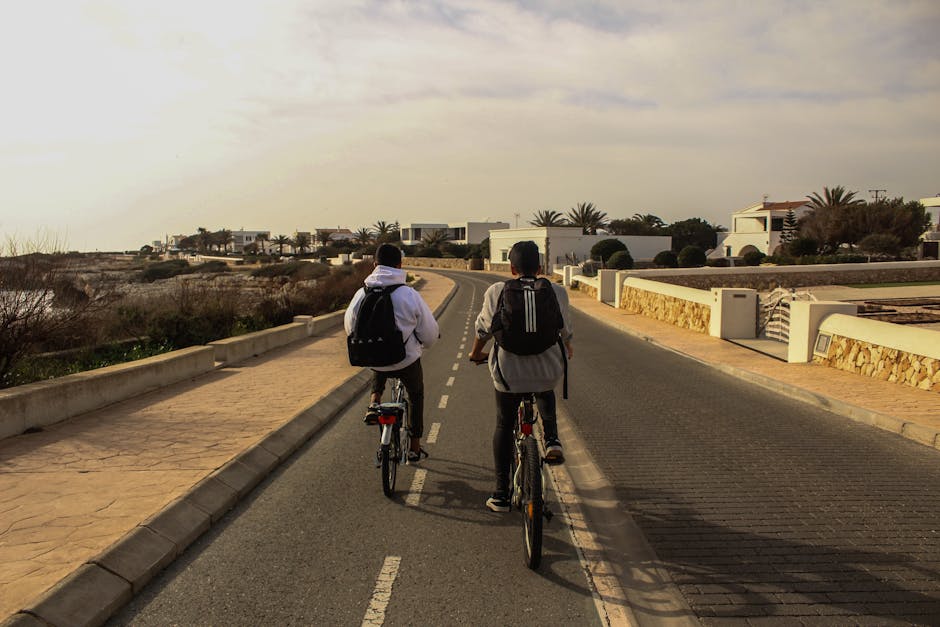
Photo by Julian Vera Film via Pexels
Start early. The window between first light (around 5:30am year-round in most of the Caribbean) and 9am is meaningfully cooler and significantly less humid than midday. If you're planning a long ride, be at altitude or finished with the main effort before noon. The afternoon brings both peak heat and the possibility of afternoon thunderstorms in the wet season months (June through November).
Electrolytes matter more than water alone. Plain water intake without salt replacement in sustained sweating can cause hyponatremia, which is genuinely dangerous and more likely to be confused with heat exhaustion than recognised for what it is. Bring electrolyte tablets or use coconut water, which is available cheaply at roadside stands across most Caribbean islands and provides natural electrolyte replacement.
What to Wear in Tropical Heat
Breathable, lightweight cotton is the right base layer for casual and touring riding in tropical conditions. Technical synthetic fabrics hold up better for performance riding but trap odour quickly in the heat. For non-racing riding, a well-constructed cotton tee that you can rinse and dry overnight is more practical than a technical jersey that needs proper laundry.
The Coastal Waves tee is built on the premium base, 6.1oz garment-dyed cotton that washes easily and dries quickly in warm Caribbean air. It reads right for coastal riding and beach stops without being explicitly sporty, which matters when you're also using the shirt for dinner and evenings out. The Simple premium tees is the plain version if you want the same fabric without a graphic. Browse the full outdoor tees range for more options.
Sun protection on exposed rides is not optional. A hat that stays on at cycling pace is worth getting right before you leave home rather than trying to source locally. The Organic Trailblazer Dad Hat is unstructured enough to fit under a helmet and comfortable enough to wear through an afternoon of mixed riding and exploring. Check the full hats range for other options. Sunscreen on your neck, forearms, and calves is essential. Caribbean UV is strong year-round and significantly stronger than mid-latitude summer UV.
Practical Logistics for Caribbean Bike Travel
Bringing your own bike is usually worth it for serious riding. Rental quality varies enormously. Good rental bikes exist in Puerto Rico and increasingly in the DR and Barbados, but in Cuba and some smaller islands you'll find very limited options. If you're flying, a hard bike case is the most reliable protection. Most Caribbean carriers treat bikes as oversized luggage, costing roughly USD 50-100 each way.
Road surfaces across the Caribbean vary significantly not just between islands but within them. The tourist-facing west coasts are generally well-maintained. Rural interior roads are often in poor condition with large potholes, loose gravel, and unpredictable livestock. A gravel or hardtail mountain bike is more versatile than a road bike for most island riding.
FAQ
Which Caribbean island is best for mountain biking?
Puerto Rico has the most developed trail network and the most mountain biking infrastructure. The Dominican Republic offers the most diverse terrain, including the highest peak in the Caribbean. For a combination of trail riding and accessible logistics, Puerto Rico is the easiest starting point.
When is the best time to cycle in the Caribbean?
December through April is the dry season and the most reliable time for cycling. Humidity and rainfall are lower, and temperatures are slightly cooler, around 25-28 degrees Celsius in most islands. The wet season runs June through November and brings afternoon thunderstorms, but morning riding is still very doable.
Is it safe to cycle on Caribbean roads?
Safety varies by island and route. Puerto Rico and Barbados have good road infrastructure and drivers accustomed to cyclists. Cuba has quiet roads due to low car ownership. On all islands, rural back roads are safer than main highways, and early morning riding significantly reduces traffic exposure. Always ride with a local or get current route advice from local cycling shops.
How do I manage heat during long rides?
Start before sunrise, finish your main effort before noon. Drink more than you think you need, with electrolytes, not just water. Coconut water from roadside vendors is an excellent natural electrolyte source. Wear loose, breathable clothing and a hat when not helmeted. Carry more than twice the water you'd carry on a similar-length ride at home.
Can I rent a decent mountain bike in the Caribbean?
In Puerto Rico, yes. Several shops in San Juan and near El Yunque rent quality bikes. In the Dominican Republic, Jarabacoa has rental operations worth investigating. In Cuba and smaller islands, rental quality is much more variable. For serious trail riding, bringing your own bike is the more reliable approach.


