
Puffin Watching: What to Wear, Where to Stand, and How Close You Can Actually Get
The single biggest mistake first-time puffin watchers make has nothing to do with their lens or their timing. They show up in a bright red jacket. Puffins are skittish birds. A vivid colour moving along the cliff edge reads as a threat, and they are gone before you have raised your camera. Get the clothing right first, and everything else becomes easier.
To watch puffins well, wear muted, earthy tones: olive, grey, navy, brown. Keep your profile low when approaching a colony. At well-managed sites like Skomer Island in Wales, habituated birds will often sit within two to three metres of a patient, quiet observer. At wilder sites, expect more distance. The golden window is April to August, with July the peak month across most Atlantic locations.
When Do Puffins Come Ashore?
Atlantic puffins spend roughly eight months of the year at sea. They return to land only to breed, typically arriving at their colonies in late March or April and departing again by mid-August. The core season runs April to August, with the best photographic light and highest activity in June and July when chicks are being fed and adults are constantly shuttling fish back to burrows.
- April: Birds arrive, pair bonds re-established, burrowing activity begins
- May to June: Eggs laid, adults visible at burrow entrances, good activity at dusk
- July: Peak season. Chick feeding at full pace. Maximum bird numbers on the cliff.
- August: Adults begin departing. Pufflings leave at night. Colony thins rapidly after mid-month.
For more on the seasonal calendar and which months give you the best chance at specific locations, read the full Puffin Season 2026 guide.
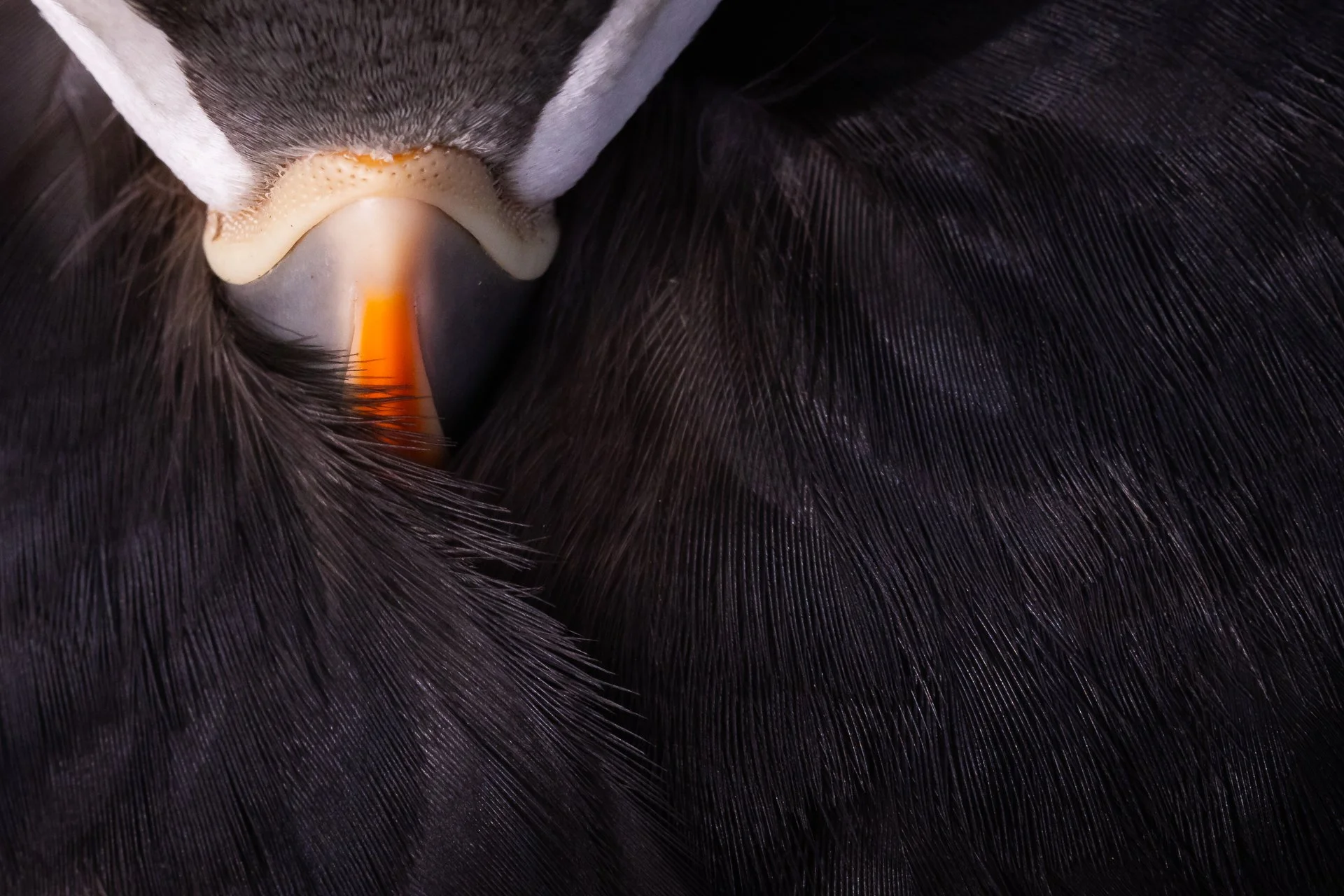
Where to See Puffins: The Best Sites in the Atlantic
Puffins nest at dozens of sites around the North Atlantic, but a handful stand out for accessibility, bird numbers, and the quality of the encounter. These are the sites worth planning a trip around.
Skomer Island, Wales (UK)
Skomer holds around 40,000 pairs, making it one of the largest puffin colonies in southern Britain. The birds here are unusually habituated to visitors, partly because the island has been a managed reserve since 1959. You can sit on the cliff path and watch puffins land within arm's reach. Day trips run from Martin's Haven in Pembrokeshire from April to late August. Book well in advance as permits are limited.
Farne Islands, Northumberland (UK)
The Farnes host approximately 55,000 pairs during peak season. The National Trust manages visitor access with daily boat trips from Seahouses. Inner Farne and Staple Island are the key landing points. The birds are close and bold, and it is one of the few places in the world where puffins will genuinely land beside your feet.
Látrabjarg, Iceland
The westernmost point of Iceland and Europe, Látrabjarg is a 14-kilometre cliff holding millions of seabirds. The scale here is different from anything in the UK. You approach puffins from above as they nest in burrows cut into the turf at the cliff top, and they pay little attention to quiet observers. Access requires a drive across the Westfjords, which keeps numbers manageable.
Dyrhólaey, Iceland
A headland on Iceland's south coast, Dyrhólaey is easier to reach from Reykjavik than Látrabjarg. Puffins nest in the grass above the sea arch. The site can be busy in high season, so early morning visits give you quieter conditions and better light.
Runde, Norway
Runde island off the Møre coast holds around 100,000 puffins at peak, along with gannets, razorbills, and guillemots. The boat crossing from Runde village takes about 20 minutes. The colony sits on the western face of the island. Timing matters: late May to July is the window.
Mykines, Faroe Islands
Mykines is remote by design. A helicopter or ferry from Sørvágur, then a walk across the island to the lighthouse peninsula. The reward is a colony where puffins nest in burrows right beside the footpath and show almost no fear of quiet walkers. The Faroe Islands limit visitor numbers, which keeps the experience exceptional.
For a deeper comparison of these sites alongside Iceland and Norway options, the Best Places to See Puffins in 2026 guide covers logistics, permits, and timing in full.
How Close Can You Actually Get?
At highly habituated sites like Skomer and Inner Farne, patient observers sitting quietly on the path regularly have puffins land within two to three metres. This is not typical of every colony. At wild sites like Látrabjarg and Runde, expect five to fifteen metres as a working distance before the birds start to show discomfort.
The rule that works everywhere: approach slowly, get low, stay still. A person crouching or sitting is far less alarming to a puffin than someone walking upright directly toward a burrow. If a bird starts to rock forward on its feet and look out to sea, stop moving. That is the pre-flush posture. Give it a moment, and it will usually settle.
- Skomer / Inner Farne: 2 to 3 metres, sitting still on the path
- Látrabjarg / Dyrhólaey: 3 to 8 metres from cliff-top burrows
- Mykines: 1 to 5 metres along the footpath to the lighthouse
- Open sea colonies (Runde): Variable, boat determines minimum distance
Wildlife photographer Kevin Morgans, who has documented puffin colonies across the British Isles and Iceland, describes the key as patience over proximity. "You don't chase puffins. You put yourself in the right place and let the light and the birds work." Kevin is AukCliff's photographer partner, and his images appear throughout this site. See the full story in Behind the Lens.
What to Wear Puffin Watching
Puffin colonies are nearly always on exposed headlands, sea cliffs, or island ridges. The weather changes fast and the ground is rough. Your clothing needs to handle wind, low temperatures, and unpredictable rain while keeping your visual profile as neutral as possible.
Colour First
This is the detail most guides skip. Puffins and other seabirds respond to colour contrast. A bright jacket moving along a cliff edge triggers a threat response at range. Muted colours, olive, stone, slate, navy, charcoal, reduce your visual impact. Avoid anything high-visibility: no reds, no oranges, no bright yellows.
Wind Shell
Even in July, exposed colony sites are cold. A packable wind shell or light softshell keeps you comfortable during a long sit without bulk. You want something you can pull on quickly when the wind picks up off the sea without making noise or sudden movement. Soft outer fabrics, fleece or brushed shell, are quieter than crisp nylon when you are close to birds.
Sturdy Boots
Coastal paths to puffin colonies are often wet, rocky, and uneven. Ankle support and grip matter. At Skomer the paths are compacted but exposed. At Látrabjarg you are walking on turf-covered cliff top with no railing. Trail boots or hiking boots, waterproofed, are the right call. Avoid trail runners on wet grass above a cliff.
Layers, Not One Heavy Jacket
Temperature swings quickly at cliff sites. A base layer, mid-layer, and wind shell give you flexibility. You can strip back to a mid-layer while sitting in a sun trap, and have the shell back on in 30 seconds when a sea mist rolls in.

What About Bright Colours on Your Gear?
Bags, straps, and tripod legs in bright colours can also trigger responses. A lot of camera bags come in bright orange or red trim. Worth covering or swapping if you are planning sustained close observation. Lens hoods and filter rings in bright silver are worth taping if you care about those extra two metres of working distance.
Conservation Status: Why It Matters That You Visit Carefully
The Atlantic puffin is listed as Vulnerable on the IUCN Red List, with populations in the European Atlantic falling significantly since the 1990s. Warming seas are pushing sand eels, the puffin's primary food source, north and deeper, making it harder for breeding adults to feed chicks at historical colony sites. Iceland, which holds the world's largest puffin population, has seen particularly steep declines at some sites.
This matters for how you visit. Flushing birds repeatedly from burrows during breeding season has real consequences for chick survival. Colonies that are responsibly managed for visitor access generally fare better because the birds habituate. Unmanaged scrambling on cliff slopes, cutting across burrow fields, or pushing past obvious discomfort signals in birds causes harm that is invisible in the moment but cumulative over a season.
The RSPB's guidance on visiting seabird colonies is practical and worth reading before you go: rspb.org.uk/birds-and-wildlife/seabirds.
AukCliff donates to puffin conservation as part of its brand values. The Captain Puffin character exists partly to keep this conversation going: that the birds we celebrate in illustration are the same birds that need careful, considered attention from the people who love them. Read more about the puffin colonies that need our attention in The Puffin Colonies That Need Our Attention in 2026.
Practical Checklist Before You Go
- Book transport and permits early, Skomer and the Farne Islands sell out weeks ahead in peak season
- Check colony-specific photography guidelines (some sites restrict tripod use on narrow paths)
- Arrive early or late in the day for the best light and fewer people
- Carry waterproof layers regardless of the forecast
- Wear muted colours: olive, grey, navy, stone, charcoal
- Move slowly and get low before you are close to the colony
- Keep noise down near burrow fields
- Stay on marked paths and never step over fencing onto active burrow areas
Frequently Asked Questions
What is the best time of year to see puffins?
The best time is May to July, with July the peak month at most Atlantic colonies. Birds arrive in April and depart by mid-August. Outside this window, puffins are at sea.
How close can you get to puffins?
At habituated sites like Skomer Island and Inner Farne, quiet observers get within 2 to 3 metres. At wilder sites like Látrabjarg in Iceland, working distance is typically 5 to 15 metres. Move slowly, get low, stop if the bird shows stress signals.
What colours should you wear to watch puffins?
Muted tones: olive, grey, navy, brown, stone, charcoal. Bright colours like red and orange startle puffins and cause them to flush before you are close enough to observe.
Are puffins endangered?
Puffins are listed as Vulnerable on the IUCN Red List. European Atlantic populations have fallen significantly since the 1990s, largely due to warming seas reducing sand eel availability.
What is the best location in the UK to watch puffins?
Skomer Island, Wales and the Farne Islands, Northumberland are the top UK sites. Both hold tens of thousands of birds and offer managed close encounters via day trips. Book well in advance.
Wear It Well: Puffin-Ready Clothing from AukCliff
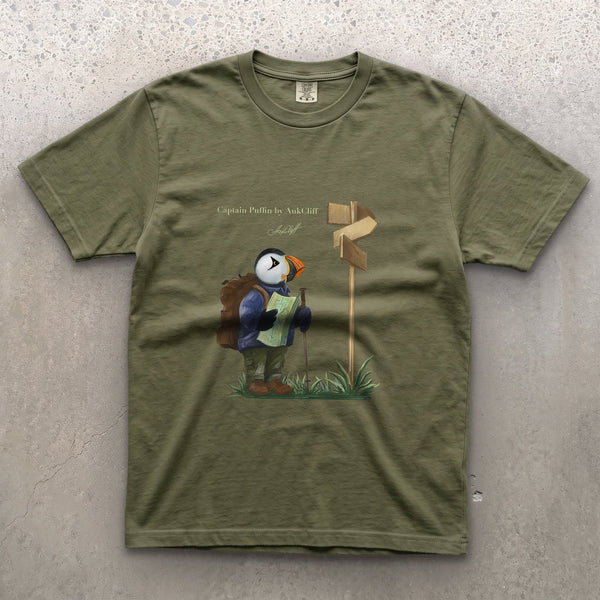
If you are heading out this season, AukCliff's Captain Puffin collection was designed by people who spend time at coastal sites and understand what clothing needs to do in that environment. The hand-drawn Captain Puffin character appears across the range, designed for the outdoor lifestyle rather than a shelf. The Wildlife Photographer T-Shirt is built on heavyweight premium fabric in washed, muted tones that work on and off the cliff. The Wildlife Photographer Sweatshirt adds the mid-layer warmth you need when the wind picks up at a colony site. Both come in tones that will not flush birds off a cliff edge. More detail on the character and the product range in the Captain Puffin collection story.
Last updated: April 2026
Wear it out there
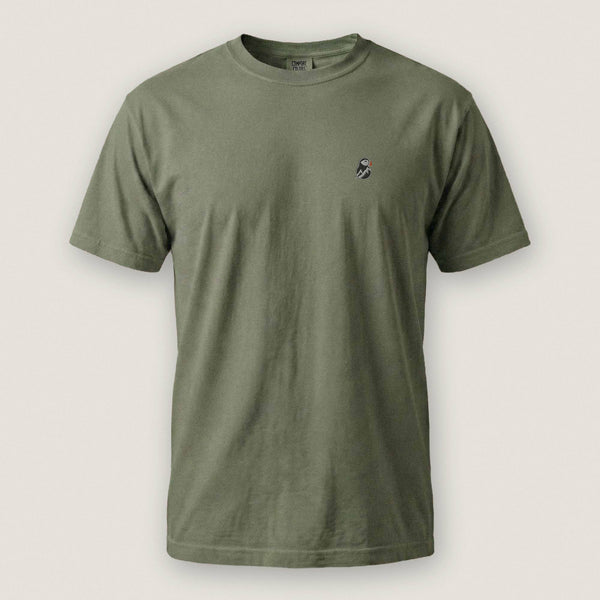
Simple
$75.99
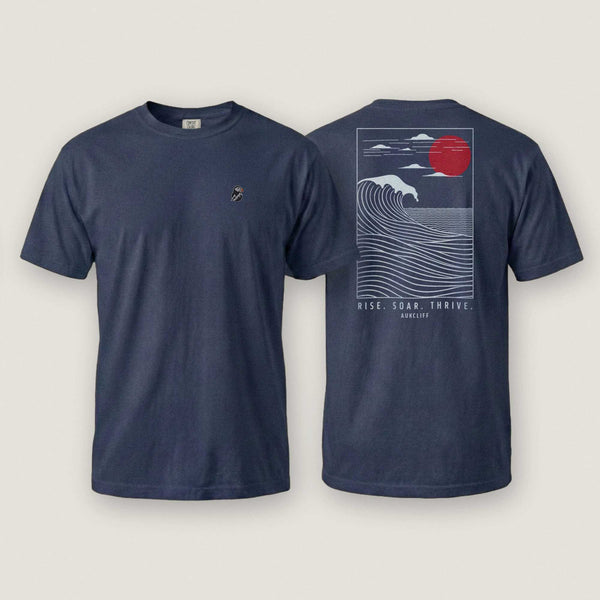
Coastal Waves
$101.99
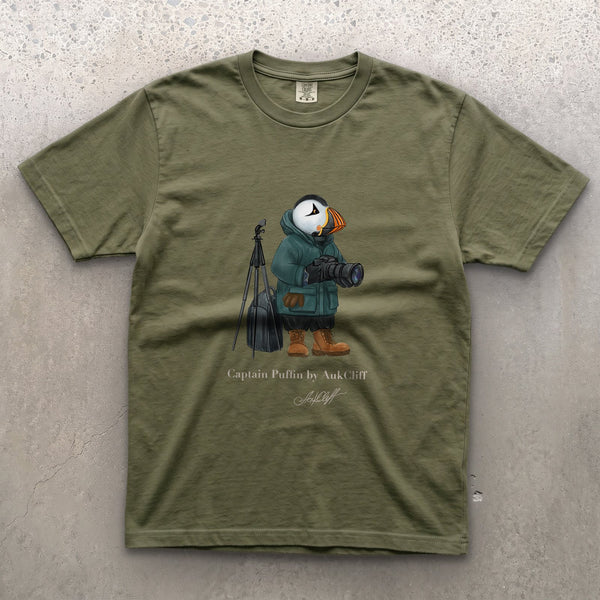
Captain Puffin Wildlife Photographer
$84.99
Captain Puffin Hiker
$84.99
Get the next one
New designs as they land, and the stories behind them. Unsubscribe in one click.