

Not all ski resorts are equal. The terrain, the culture, the infrastructure, and the quality of the mountain experience vary enormously between destinations. Some resorts are designed for beginners and intermediate skiers who want a comfortable week. Others are built around the demands of people who ski seriously and expect the mountain to challenge them.
This is a guide to five resorts that consistently come up in serious conversations about where to ski, and what makes each one worth the trip.
Aspen, Colorado: Four Mountains and a Culture of Its Own
Aspen is actually four ski areas on one lift ticket: Aspen Mountain, Aspen Highlands, Buttermilk, and Snowmass. The combined terrain covers over 5,600 acres, with Aspen Highlands and Aspen Mountain offering serious challenge for advanced skiers. The Highland Bowl, a hike-to zone above the Highlands lifts, is one of the best above-treeline ski experiences in North America. It requires a 30-40 minute uphill hike from the top of the gondola, but the reward is wide open untracked powder on north-facing aspects that hold snow for days after a storm.
Snowmass is the largest of the four areas and arguably the most well-rounded, with long runs, excellent glades, and terrain suitable for all ability levels. The village at Snowmass is more low-key than Aspen town itself, which suits people who want to focus on skiing rather than apres-ski infrastructure.
Aspen receives an average of 300 inches of snowfall per year. The base elevation is high (around 2,400 metres) and the summit of Aspen Mountain reaches nearly 3,420 metres. The dry Colorado air means the snow quality is consistently good. When it storms, Aspen is one of the best powder destinations in North America. Aspen Skiing Company, which operates all four mountains, recorded approximately 1.55 million skier visits in the 2024-25 season, topping a 21-year-old visitation record according to Aspen Daily News. That figure is part of a broader picture: Colorado ski areas as a whole reported 13.8 million visits in the same season, the third-busiest on record for the state, per Colorado Ski Country USA.
Chamonix, France: The Alps at Their Most Serious
Chamonix is not a resort in the conventional sense. It's a town at the foot of Mont Blanc, with a collection of separate ski areas spread across the valley. The skiing ranges from the long groomers of Les Houches (the most sheltered area, which often has the best snow in bad weather) to the extreme terrain of the Grands Montets, which was partially closed after a serac collapse but remains one of the most dramatic ski mountains in the world.

The Vallée Blanche is the reason many skiers make the pilgrimage to Chamonix. It's a 20-kilometre off-piste ski route from the summit of the Aiguille du Midi (3,842 metres) down to Chamonix. The route involves navigating a steep snow arete from the cable car station and skiing through the high-altitude glacier terrain of the Mer de Glace. It requires a guide for anyone unfamiliar with glacier travel, but it's a genuinely exceptional experience and one of the longest descents in the Alps.
Chamonix is best in early season when the Grands Montets lifts are running and the high terrain is accessible. March and April offer the best combination of snow coverage and daylight hours. The Chamonix-Mont-Blanc valley welcomes nearly 2.5 million visitors every year, with around 8 million overnight stays recorded annually according to the Chamonix Tourist Office. At peak times the valley receives up to 60,000 visitors per day in winter, which makes timing your trip and booking accommodation early more important here than at almost any other Alpine destination.
Zermatt, Switzerland: Car-Free and Consistently Excellent
Zermatt is one of the few major Alpine resorts that bans private cars. You arrive by train and get around the village on foot or by electric taxi. This gives the village a quality that many ski destinations have lost: you can walk around at night without navigating traffic, the air is clean, and the pace is slower than the bigger purpose-built resorts.
The skiing connects to Cervinia in Italy on the same lift pass, which means you can ski to lunch in Italy and return in the afternoon. The Matterhorn Glacier Paradise cable car reaches 3,883 metres and the glacier skiing here runs year-round in summer months. The Klein Matterhorn area has some of the highest piste skiing in the Alps.
Zermatt also has one of the best apres-ski cultures of any Alpine resort. The Vernissage at the Backstage Hotel and the North Wall Bar are both worth finding. The restaurants in the village are exceptionally good, and a heavy wool or fleece layer is standard dress as soon as you come off the mountain.
Niseko, Japan: The Best Snow in the World
Niseko's reputation is built entirely on one thing: the snow. The resort sits on Hokkaido, Japan's northernmost island, in the path of Arctic air masses that pick up moisture crossing the Sea of Japan. The result is an average of 15 metres of snowfall per season, consistently light and dry. Niseko's powder days are unlike anything in North America or Europe. The snow is so light it falls off your jacket.

Photo by Alberto E via Pexels
The resort comprises four interconnected areas: Grand Hirafu, Hanazono, Annupuri, and Niseko Village. The terrain is moderate by international standards, with little extreme or technical skiing. But in deep powder conditions, moderate terrain is enough. The trees at Niseko in powder are exceptional, and the resort operates a gated off-piste system that gives access to some of the best powder skiing in the world within the resort boundary.
The village infrastructure has expanded enormously over the past decade with significant Australian and international investment. The food culture is excellent, with both Japanese restaurants and international options. The onsen (hot spring) culture is part of any proper Niseko trip: finishing a powder day in a natural hot spring is a combination that's hard to beat.
Whistler Blackcomb, British Columbia: Scale and Variety
Whistler Blackcomb is the largest ski resort in North America, with over 8,000 acres of terrain across two mountains connected by the Peak 2 Peak Gondola, which spans 4.4 kilometres and reaches 436 metres above the valley floor. The scale means you can ski for a week and not repeat the same run twice.
The terrain range is extraordinary. Whistler Mountain has some of the best beginner and intermediate skiing anywhere, with the long, wide runs of the Harmony and Symphony bowls being particularly good. Blackcomb's Glacier area includes serious alpine terrain, and the couloirs off the Horstman Glacier challenge expert skiers. The Peak area of Whistler holds the resort's most exposed and difficult terrain.
Whistler village is well-built and well-maintained. The ski-in/ski-out accommodation is spread across both villages (Whistler and Upper Village), and the connection between them is easy. The apres-ski scene is lively, and the mountain consistently performs well in terms of lift queue management and snow grooming.
Apres-Ski: What to Wear When You Come Off the Mountain
The transition from skiing to apres-ski is a specific wardrobe challenge. You've been in technical gear all day and you want to be comfortable, warm, and reasonably presentable without going back to your room to change. A heavyweight hoodie is the standard solution, and for good reason: it layers over a base layer, handles the range from cold outdoor temperatures to warm bar interiors, and looks like a considered choice rather than whatever was on top of the pile.
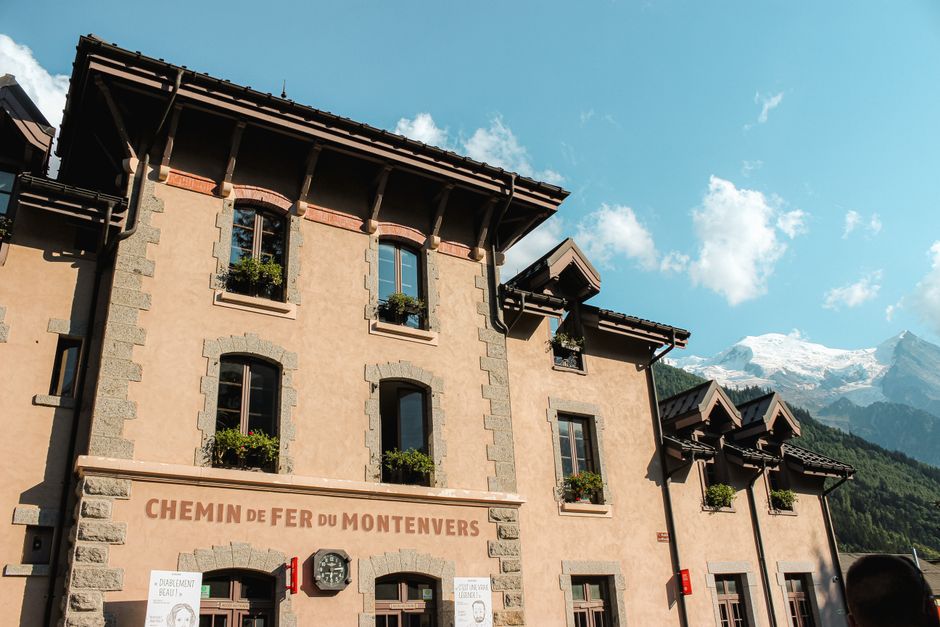
Photo by Mathias Reding via Pexels
The Captain Puffin Wildlife Photographer Sweatshirt is 9oz premium fleece, which has enough weight to be genuinely warm and enough structure to look intentional. The Embrace The Mountain Call Hoodie suits the Alpine setting particularly well. For days when you want something more low-key, the Simple Hoodie is a clean option that works everywhere from the gondola queue to dinner.
The full hoodies collection and the Origin Collection are worth browsing before a ski trip. These are garments designed to be worn in places with real weather, not just worn to look like they might be.
Planning Your Trip: Practical Considerations
Book accommodation early for all five destinations, particularly Zermatt and Chamonix where the best options fill months in advance. Chamonix and Zermatt require specific transfer planning from Geneva and Zurich respectively. Niseko is best reached via Sapporo's New Chitose Airport, and car hire for the 90-minute drive is standard. Aspen has a small regional airport, but Denver connections via shuttle are reliable and cheaper.
Travel insurance with ski-specific cover (helicopter rescue, off-piste, avalanche) is non-negotiable for Chamonix and anywhere you plan to ski off-piste. In Japan, resort boundary skiing is well-controlled but conditions can change rapidly.
Each of these resorts rewards more than one visit. The first trip you learn the terrain. The second trip you start to understand what makes each one exceptional. Plan accordingly.
FAQ
- Which ski resort has the best snow quality?
- Niseko, Japan is widely considered to have the best snow quality of any major resort globally. The combination of high snowfall (up to 15 metres per season) and light, dry powder due to the cold Arctic air masses is exceptional. Colorado resorts including Aspen also have excellent dry powder conditions compared to many European resorts.
- Is Chamonix suitable for intermediate skiers?
- Yes, but it depends on which area you ski. Les Houches and parts of Brévent suit intermediate skiers well. The Grands Montets and off-piste terrain are for advanced and expert skiers. The Vallée Blanche off-piste route requires a guide. Intermediate skiers will have a good time in Chamonix but should be selective about which areas they attempt.
- What should I wear for apres-ski?
- A heavyweight hoodie or fleece that layers over a base layer is the practical choice. It handles the transition from cold outdoor temperatures to warm interiors, and a well-chosen piece looks as good at dinner as it does on the gondola. Avoid anything too thin: the temperature drop between the mountain and the village can be significant.
- When is the best time to visit Niseko?
- January and February are peak powder months. December has early-season conditions and is often less crowded. The resort receives snow from November through April, but the heaviest falls typically come in January and early February.
- How big is Whistler Blackcomb?
- Over 8,000 acres across two mountains connected by the Peak 2 Peak Gondola. It's the largest ski resort in North America. The terrain covers beginner, intermediate, advanced, and expert runs across both mountains.
Related Reading
Frequently Asked Questions
How many ski areas does Aspen have?
Aspen has four ski areas, and all four are covered by a single lift pass. This gives skiers access to a wide range of terrain across Aspen Mountain, Aspen Highlands, Buttermilk, and Snowmass without needing separate tickets for each area.
What is Chamonix known for in skiing?
Chamonix in France is known primarily for its off-piste terrain, which is considered some of the most serious and challenging in the world. It consistently comes up in conversations among experienced skiers about where to push their limits on the mountain.
Is Chamonix suitable for beginner skiers?
Chamonix is built around the demands of serious skiers who want challenging terrain, particularly off-piste. Beginners and intermediate skiers who want a comfortable week with groomed runs would likely find better options at resorts designed specifically for that experience.
What separates a world-class ski resort from an average one?
The difference comes down to terrain variety, mountain infrastructure, and culture. Top resorts like Aspen and Chamonix offer a combination of challenging skiing, reliable snow conditions, well-run lift systems, and a strong mountain culture that keeps serious skiers returning year after year.
How do I choose between Aspen and Chamonix for a ski trip?
The choice depends on what kind of skiing you want. Aspen offers four mountains on one pass with strong infrastructure and a polished resort town experience. Chamonix is the better choice if off-piste and technical terrain is the priority, though it requires more experience and mountain awareness.
Explore the Captain Puffin collection
Last updated: April 2026


