
Van Life Clothing: What to Wear on the Road
Van life has moved from fringe to mainstream faster than most lifestyle trends. The number of van-lifers in the United States rose from 1.9 million in 2020 to 3.1 million in 2022, a 63 percent increase according to Gitnux, and the broader RV and van dwelling market was valued at $56.7 billion in 2024 (Fortune Business Insights). The #vanlife hashtag has accumulated 18 billion views on TikTok, according to Wander Magazine, and a 2024 survey by Van Life Works found that 41 percent of van lifers work remotely full-time, with millennials making up 52 percent of the population.
The growth is real, and so are the practical challenges. One of the most underestimated is clothing. When you live in a van, you have between one and three drawers, maybe a hanging rail, and no washing machine on call. The clothing system that works for someone with a full wardrobe and a weekly laundry routine fails completely when you are living out of 30 litres of storage and washing clothes at a laundromat every ten days.
This guide is about building a wardrobe that actually works for van life: durable, versatile, practical to wash, and appropriate across the range of environments that a life on the road takes you through.
The Core Principle: Fewer Pieces, More Use
The wardrobe philosophy that works for van life is not minimalism as an aesthetic, it is minimalism as a practical response to space and logistics. Every item you carry needs to justify its space by serving multiple contexts. A piece that only works in one situation, a formal shirt you wear once a month, a pair of shoes that only suits one terrain, these are space debts you carry everywhere.
The useful framework: think about what you do on a typical day in the van. You might wake up at a trailhead, hike for four hours, drive to a town for groceries, work from a cafe, and cook dinner at a beach camping spot. The clothing covering that day needs to work at all those stops. A T-shirt that looks acceptable in a cafe and does not stink after a morning hike is worth three times its storage space compared to one that only suits one of those situations.
The pieces that earn their space in a van wardrobe are the ones that transition well: from physical activity to public spaces, from cold mornings to warm afternoons, from beach to mountain, from outdoor to urban.
Building the T-Shirt Base
T-shirts are the foundation of a van life wardrobe because they layer under everything and stand alone in warm weather. The selection criteria are simple: fabric weight, colour longevity, and durability through repeated washing.

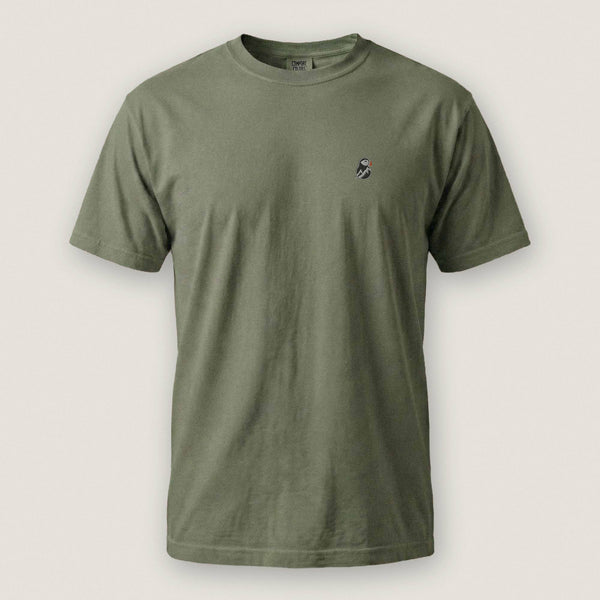
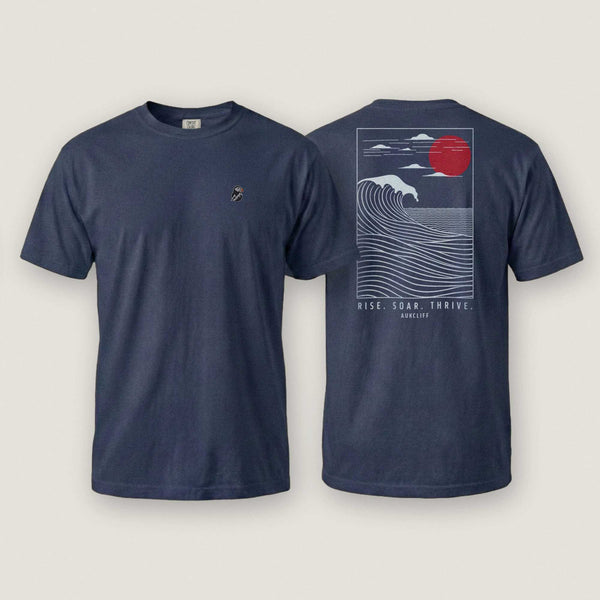
Heavyweight cotton holds up better than lightweight options over repeated washes and extended wear. The 6.1oz premium construction in pieces like the Simple premium tees and the Coastal Waves T-shirt is relevant here. The garment-dye process means the colour is dyed into the fabric rather than printed on top, so it does not fade in the way that cheaper dye processes do. After fifty washes, a garment-dyed heavyweight tee looks broken in rather than washed out.
For van life specifically, aim for three to four T-shirts in the rotation. More than that and you are carrying dead weight. Fewer and you are doing laundry more often than is practical. Choose colours that can be worn together without clashing, and that do not show every coffee spill or trail dust deposit.
The Embrace The Mountain Call Tee suits van life well because the design works in both outdoor and casual contexts. It does not read as hiking-specific gear in a cafe, and it does not look out of place on a trail.
Sweatshirts: The Most Valuable Item in the Van
A quality sweatshirt is the most versatile thermal layer you can carry in a van. It bridges the gap between a T-shirt and a full jacket for the majority of cool-weather situations you will encounter: cold mornings at altitude, evening coastal breeze, driving with the window down in autumn, sitting at a picnic table in the shoulder season.
The Captain Puffin Van Life Sweatshirt was drawn by artist Maria specifically for the van life culture, and the premium M2580 blank it is printed on is the right blank for this use case. At 9oz, the 60/40 cotton-polyester blend manages the thermal work of a mid-layer, holds its shape over sustained use, and compresses into a small footprint when you do not need it. The boxy fit accommodates a base layer underneath for colder nights.
Most van-lifers carry two sweatshirts: one that is genuinely warm and functional for outdoor use, one that is cleaner and serves as the "town" layer. The Captain Puffin Van Life design functions as both: it is warm enough for real outdoor use and presentable enough for a cafe or a conversation in a campground.
For colder conditions, the Salt and Stone Hoodie provides a different profile that works well in coastal and maritime environments.
Laundry on the Road: The Practical Reality
Laundry is one of the most honest tests of a van life wardrobe. Laundromats cost money and take time. Hand washing is possible but limited to lighter fabrics. Some van-lifers use portable washing bags that agitate clothes with water in a sealed bag, which works for small items but not for heavier fabrics.

Photo by Thirdman via Pexels
The clothing properties that matter for laundry frequency:
Odour resistance reduces wash frequency. Merino wool is the leader here and worth carrying for base layers even if the rest of your wardrobe is cotton. A merino base layer can be worn for three to four days before it needs washing, which meaningfully extends your laundry cycle.
Quick drying matters when you are hand washing or when laundromat dryers are not available. Polyester blends dry significantly faster than 100 percent cotton. The 60/40 blend in the premium fleece dries faster than pure cotton, which is a genuine practical advantage when your clothes are drying on a line strung between trees.
Dark and mid-tone colours show dust and light soiling less than pale colours, extending the number of wears between washes. Light grey and white tees look dirty before they smell dirty. Olive, navy, and dark brown are more forgiving on the road.
Footwear: The Three-Shoe Rule
Footwear takes disproportionate storage space and is the hardest category to reduce. The three-shoe system that works for most van-lifers: trail shoes or hiking boots for terrain, sandals for campsite and water use, and one pair of casual shoes suitable for town.
Where possible, choose shoes that overlap contexts. A leather low-cut boot that works on light trail and also looks acceptable in a restaurant eliminates one category entirely. Waterproof sandals that can go from river crossing to campsite showers handle two uses with one pair.
The temptation is to carry footwear for every specific scenario. Resist it. The space taken by a fourth pair of shoes is significant in a van where storage is measured in litres rather than cupboards.
Seasonal Considerations
Most van-lifers either follow the seasons by moving geographically (heading south in winter, north in summer) or accept that they need a genuinely full four-season wardrobe because they are staying in one region.

Photo by Indie Campers Sverige via Pexels
If you follow the weather: you can run a lighter wardrobe because you are rarely bridging large temperature gaps. The transition between seasons is managed by movement rather than by carrying gear for all conditions simultaneously.
If you stay in one region through winter: a compact down jacket or synthetic insulated piece is worth the space. The trade-off is that these are bulky. A compressible down jacket that packs to the size of a water bottle is a better van life choice than a standard puffer that folds but does not compress.
The layering system described above works year-round because it scales: add a down layer for winter, remove the sweatshirt for summer. The core T-shirt and sweatshirt pieces remain constant.
From Trailhead to Town: Clothing That Works in Both
The defining skill of a van life wardrobe is building pieces that work in multiple contexts without looking like you are trying too hard in either. The failure mode is clothing that is clearly "hiking gear" in a cafe or clearly "street clothing" on a trail.
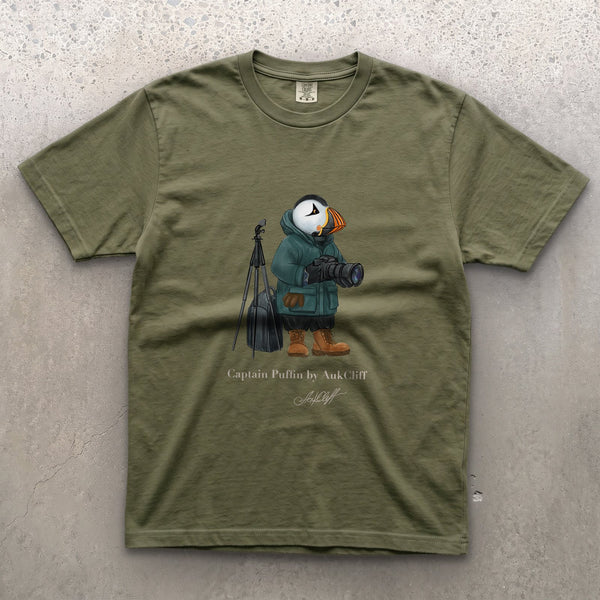
The Captain Puffin collection handles this transition naturally. The designs are specific enough to signal outdoor culture to people who understand the reference, and understated enough not to look out of place in a town context. The van life persona in particular is drawn to reflect exactly this quality: someone who moves between outdoor and urban environments without changing their wardrobe twice a day.
The outdoor T-shirt collection offers options across graphic and plain styles that suit both ends of the spectrum. For van life, having a mix of both is useful: graphics for days when you are among other outdoor people, plain tees for days when you want to blend into town without the gear-brand aesthetic.
Frequently Asked Questions
How many items of clothing do I actually need for van life?
A functional van life wardrobe runs to around 15 to 20 items total: three to four T-shirts, two sweatshirts or hoodies, one insulated jacket, two to three pairs of trousers or shorts, enough base layers for a week, three pairs of shoes, and functional accessories (hat, buff, lightweight gloves). Anything beyond that should be justified by a specific need. Most people start with too much and pare back after the first few months on the road.
What is the best fabric for van life clothing?
The answer varies by layer. For base layers: merino wool for temperature regulation and odour resistance. For mid-layers and sweatshirts: a cotton-polyester blend (60/40 or similar) for warmth, durability, and faster drying than pure cotton. For outer layers: soft-shell for most conditions, a compact down or synthetic insulated piece for genuine cold. Avoid 100 percent cotton for anything you expect to get wet in.
How do van-lifers handle laundry without a washing machine?
The most common approach is a combination of laundromats (every 7 to 14 days), hand washing small items in a sink or stream, and a portable wash bag for lighter pieces. Choosing clothing with good odour resistance and quick-drying properties extends the time between full laundry cycles. Some van dwellers install a portable hand-crank washer in the van, which handles small loads but not heavy fabrics.
How do I keep clothing dry in a van during wet weather?
Wet weather condensation inside a van is a genuine problem. Wet clothing adds moisture to the air and accelerates condensation on cold metal surfaces. The practical solution is a dedicated drying line rigged near a ventilation point, combined with a small fan to move air. Dry storage for clean clothing should be separate from any area where wet gear is kept. Dry bags or compression sacks keep clean clothes dry even if the surrounding area gets wet.
Is van life clothing different from general travel clothing?
The principles overlap, but van life clothing skews more toward outdoor durability and less toward formal versatility than standard travel wardrobes. Van-lifers spend more time in outdoor environments than typical travellers, and the storage constraints reward pieces that can handle rough use. The main difference from backpacker travel clothing is that van life allows for slightly more weight since you are not physically carrying everything on your back, which makes heavyweight cotton viable in a way it is not for trekking.
You Might Also Like
Wear it out there
Simple
$75.99
Coastal Waves
$101.99
Captain Puffin Wildlife Photographer
$84.99

Captain Puffin Hiker
$84.99
Get the next one
New designs as they land, and the stories behind them. Unsubscribe in one click.