
What to Pack for a Cold Water Surf Trip in a Van
Quick answer: Pack a five-four-millimetre winter wetsuit with hood, booties and gloves, a fast-changing robe, an insulated flask, dry-bags for the van interior, and a midweight cotton mid-layer that doubles as the dawn-drive uniform. The kit is built around a four AM start, an offshore-wind window of two hours, and a van that has to dry out before the next session.
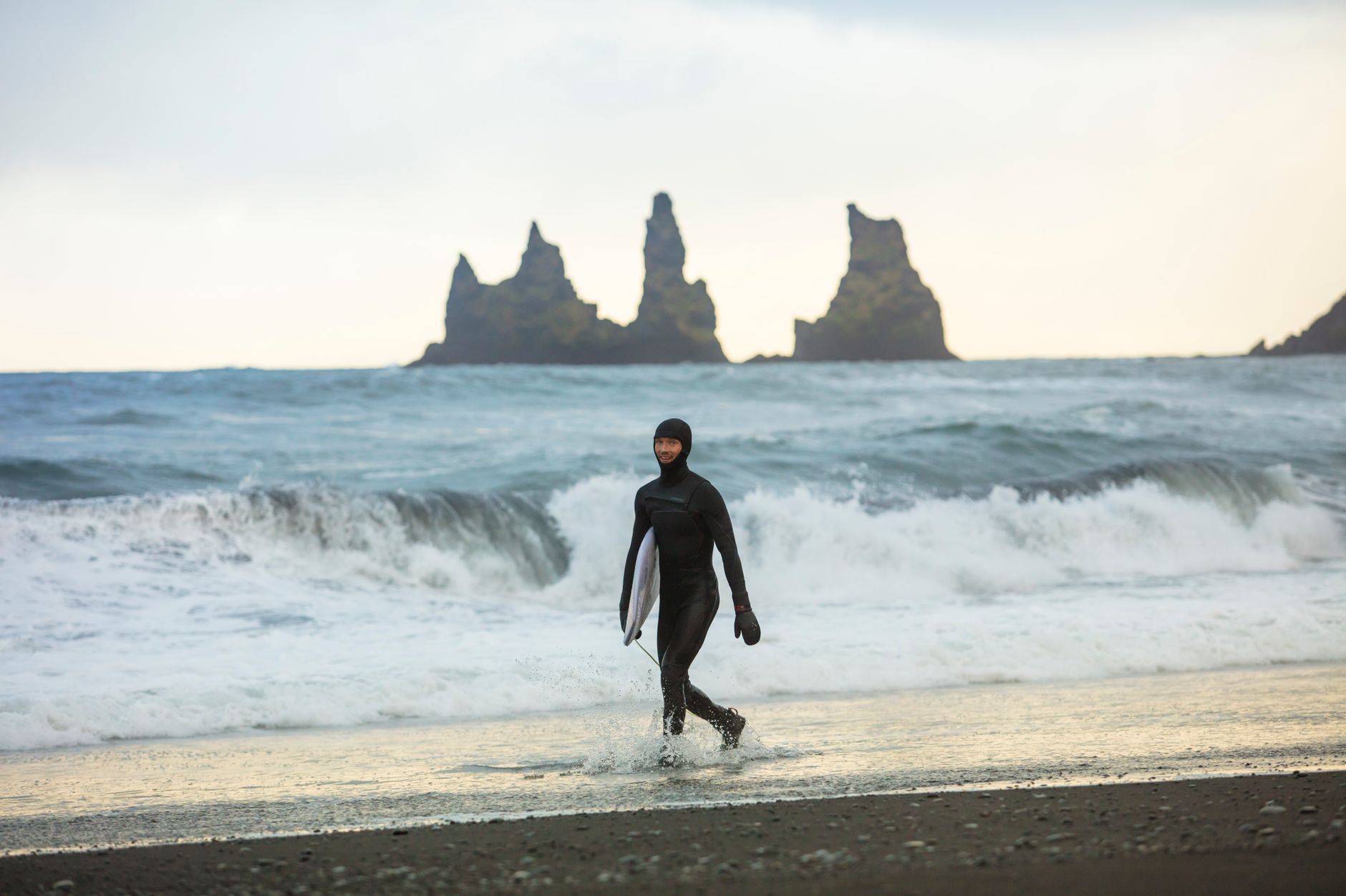
A cold-water surf trip in a van is a packing problem before it is a surfing problem. The board lives on the roof, the wetsuit lives over the passenger seat, and the kettle is bolted to the worktop because the road from the Pacific Northwest to Cornwall, Ireland or the Catlins is rarely smooth. Every garment, every piece of kit and every container has to earn the space it takes up. This is what working cold-water surfers actually pack into a van for a week of dawn checks, offshore winds and the long drive between headlands.
The brief here is narrow. Not warm-water surfing. Not flying with a board bag to a tropical destination. Cold-water van life surfing means north Atlantic, north Pacific, southern New Zealand, the Aotearoa east cape, the Faroes, the west of Ireland, the north coast of Cornwall, Vancouver Island, and Oregon. Wetsuits at 4mm or thicker. Dry robes over the back of the driver seat. Boots and gloves on a rack above the kitchen. The packing list reflects the geography, not the Instagram aesthetic.
What does a cold-water van life surfer actually pack?
A working cold-water surf trip in a van is built around three repeating cycles: the dawn check, the surf session, and the dry-out. Everything in the van either supports one of those cycles or it does not earn the space.
The kit list, by cycle
- Dawn check kit: dry robe, midweight sweatshirt, beanie, headtorch, flask, binoculars for reading a distant lineup.
- Surf session kit: wetsuit (4/3 or 5/4 with chest zip for cold water), boots, gloves, hood for sub-eight-degree water, leash, wax, two boards minimum if space allows.
- Dry-out kit: drying mat for the van floor, wetsuit hanger, fast-drying towel, dry change of base layers, second sweatshirt, fleece-lined trousers, dry boots.
Most kit failures on a cold-water van surf trip come from running one set of each. Two of everything that touches salt water is the rule. One set drying, one set on.
What brands do working cold-water surfers wear in the van?
A short, named list of the brands actually used by cold-water surfers on a working trip, with the role each one plays inside the rig.
- Patagonia R-series wetsuits: Yulex natural rubber, made for cold water, the benchmark for an environmentally serious cold-water surfer. The R3 and R4 cover most of the cold-water range above and below the equator.
- Finisterre: Cornwall-built apparel brand that started inside the cold-water surf community. The midweight cotton sweatshirts and recycled fleeces are the post-surf layer most often seen on the back step of UK and Irish vans.
- Vissla cold-water hoodies and 7 Seas wetsuits: the Californian brand with the most credible cold-water range, common across the PNW and Pacific Aotearoa east cape.
- Yeti Rambler bottles: the coffee on the back step has to still be hot after a two-hour drive and a forty-minute paddle. The 18oz Rambler is the working cold-water surfer's standard.
- Carhartt WIP fleece-lined trousers and Detroit jacket: the changing-room and post-surf workwear most often pulled on over the dry base layer. Durable, dries reasonably fast, takes salt without complaint.
- AukCliff Captain Puffin Van Life Surfer: the midweight cotton tee and sweatshirt designed for the back-step dry-out and the long drive between headlands. Hand-drawn. Wearer is the operator of the rig.
Changing robe or surf poncho for cold-water van surfing?
The single biggest kit debate among working cold-water surfers is whether the post-surf layer is a full dry robe or a towelling poncho. The answer depends on the headland and the wind.
Comparison: changing robe vs surf poncho vs van-side curtain
| Layer | Best for | Weakness | Cold-water suitability |
|---|---|---|---|
| Full dry robe (Voited, Vivida, Red Original) | Cliff-top car parks in horizontal rain. Cold offshore wind. Public car parks where modesty matters. | Bulky. Takes a full hook in the van. Slow to dry if it gets soaked through. | Best for sub-ten-degree water and onshore weather. Standard kit on the west of Ireland and PNW circuit. |
| Towelling poncho | Sheltered car parks. Warmer cold-water trips (Cornwall summer, Catlins late season). Fast change without the wind. | Not warm enough to stand around in. Not modest enough for an open headland in winter. | Marginal for sub-eight-degree water. Better as a second layer worn under a dry robe than as the only option. |
| Van side door + curtain | Dedicated van life. Fast, dry, no wind. Coffee on at the same time. | Requires a kitted van with side-door curtain or magnetic blackout. Will not work in a borrowed vehicle. | Best of the three for a working trip. Almost every cold-water van surfer ends here once the van is properly built. |
Most working cold-water surfers run all three: van side door at home base, dry robe for cliff-top sessions, poncho as a backup in the side cupboard.
How do you keep a cold-water wetsuit dry in a van?
A wet 5/4 wetsuit in the back of a Transit in October will not dry overnight. It will smell by morning. Three things keep the wetsuit usable across a week of cold-water sessions.
- Drying mat under the wetsuit hanger: a moisture-absorbing mat (typically marine carpet or a folded camping mat) under the hanging suit catches the drip. The van floor stays dry. The suit dries from both sides.
- Cross-flow ventilation: back doors cracked, side door cracked, a small 12V fan on a low setting. Closed vans grow mould inside the wetsuit in three days flat.
- Rotate two suits: one drying, one wearing. A single suit on a five-day trip is asking for the second-day cold-start, which is the worst cold-water surfing experience available to a human.

What is the dawn-check layering system for cold-water van surfing?
The forty minutes between getting out of bed in the van and getting in the water is the coldest part of the day. Most cold-water surfers run a four-layer dawn-check system before they even get the wetsuit out of the cupboard.
- Base layer: merino long-sleeve, 200gsm. Worn straight out of the sleeping bag.
- Mid layer: midweight brushed-cotton sweatshirt. The Van Life Surfer Captain Puffin sweatshirt sits in this slot. Roughly 290gsm, warm at rest, takes a salt splash without complaint.
- Insulation: a wool or synthetic puffy. Heavier than a hike-and-climb puffy, optimised for standing still on a back step with a flask.
- Outer: a dry robe over the top, or a heavy waxed-cotton jacket if the lineup needs reading from the cliff before changing.
Once the lineup is read, the outer two layers come off in the side door of the van and the wetsuit goes on. Base and mid layers go on the dashboard heater for the post-surf cycle.
Why AukCliff built a Van Life Surfer Captain Puffin
The Captain Puffin character series at AukCliff is hand-drawn, and each Captain represents a discipline within outdoor creator culture. The Van Life Surfer Captain Puffin T-shirt exists because the cold-water surf and van life communities have been quietly buying the Coastal and Hiker designs and writing in saying they were van-dwelling surfers chasing offshore mornings, not coastal walkers or backpackers. The kit, the rig and the weekly rhythm of a cold-water surf trip in a van is its own discipline.

The Van Life Surfer Captain Puffin Sweatshirt is printed on a midweight 80/20 cotton-poly fleece with a softly brushed interior, roughly 290gsm (Cotton Heritage M2480 blank). It sits in the mid-layer slot of the dawn-check system above and stays on the operator through the dry-out cycle once the session is in. The colour palette is built to take salt and not show it for the first three days, which is the working window for most cold-water surf trips before the van and the body both need a proper shower.
For more on the apparel side of van life specifically, our earlier piece on van life clothing covers the broader van-dwelling wardrobe across all four seasons, not just the cold-water surf chase. For a deeper editorial read on the working philosophy behind cold-water surfing, Patagonia's Stories archive holds the long-form pieces that built the discipline, and Cornwall-based Finisterre Broadcast publishes the most reliable working-surfer journal for the north Atlantic and Celtic Sea coastlines.
Frequently Asked Questions
What thickness wetsuit do you need for a cold-water surf trip in a van?
For water under twelve degrees Celsius the working standard is a 4/3 wetsuit with a chest zip, gloves, and boots. For water under eight degrees a 5/4 with hood, 5mm gloves, and 7mm boots is the floor. Yulex natural rubber suits from Patagonia R-series and recycled-neoprene suits from Finisterre and Vissla are the most common cold-water choices for working surfers.
How long does a wetsuit take to dry inside a van?
A 4/3 wetsuit hung in a vented van with a drying mat under it dries in about twelve to fifteen hours. A 5/4 with hood takes closer to twenty. Without ventilation the suit will not fully dry between sessions, which is why most cold-water van surfers rotate two suits on any trip longer than three days.
Is a dry robe or a surf poncho better for cold-water surfing?
A full dry robe is warmer, more modest on an exposed headland, and the standard kit for sub-ten-degree water on the west of Ireland or Pacific Northwest circuit. A towelling poncho is faster and lighter for sheltered car parks or warmer cold-water sessions. Most working cold-water van surfers carry both and add a van side-door curtain as the home base.
What clothing do van life surfers wear between sessions?
A midweight brushed-cotton sweatshirt is the standard mid-layer for between cold-water surf sessions. It is warm at rest, durable through salt and sand, and dries faster than a synthetic fleece. Worn under a wool or synthetic puffy for the dawn check, and over a merino base layer for the long drive between headlands.
Where do cold-water van life surfers actually go?
The recognised cold-water van surf circuits are the west coast of Ireland (Bundoran, Mullaghmore, Easkey), the north coast of Cornwall (Newquay, St Agnes, Sennen Cove), the Pacific Northwest (Tofino, the Oregon coast), and in the southern hemisphere the Catlins, Raglan, and the Aotearoa east cape. The common factor is cold water, offshore winds at dawn, and headlands accessible only by road.
Shop the Van Life Surfer Captain Puffin Sweatshirt or browse the full Captain Puffin collection for the other characters in the AukCliff field.
Last updated: May 2026
Wear it out there
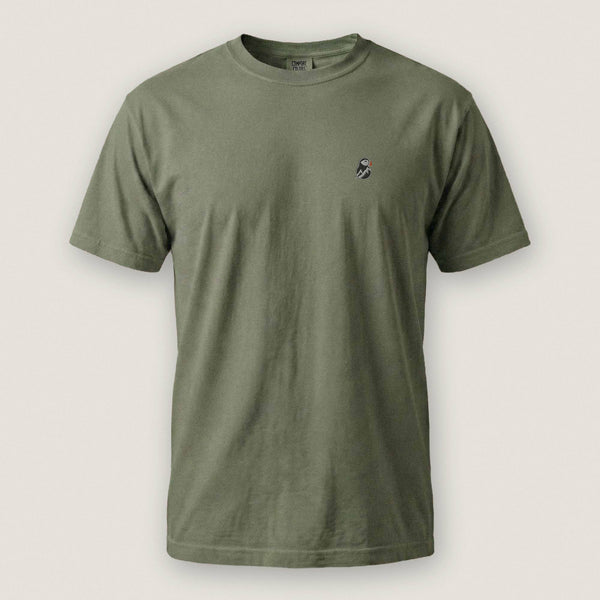
Simple
$75.99
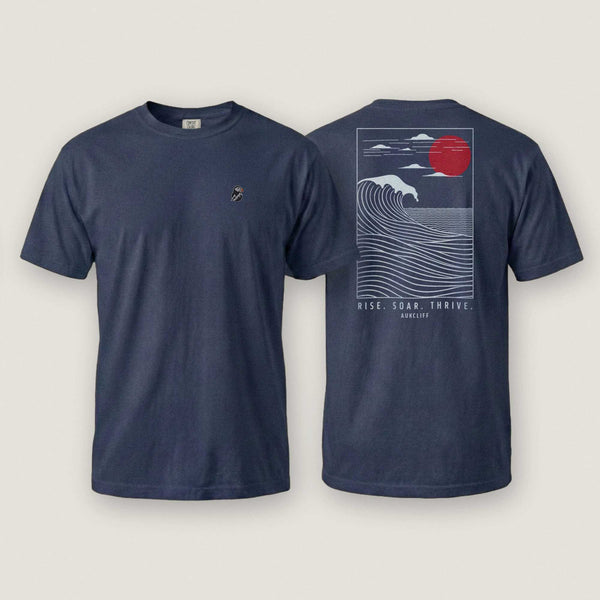
Coastal Waves
$101.99
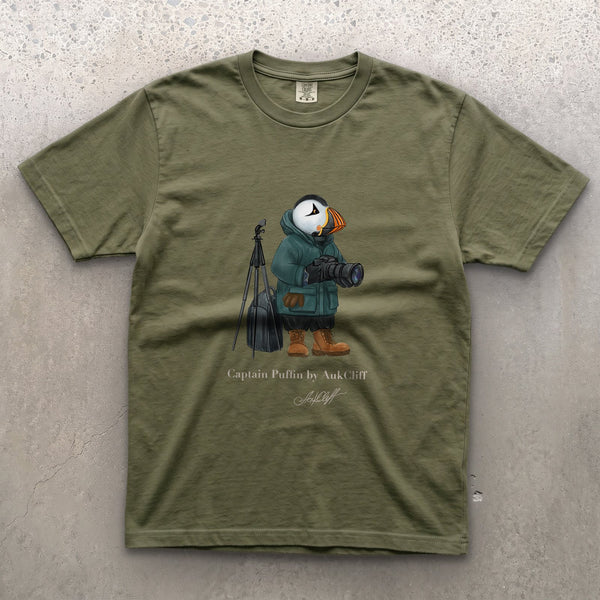
Captain Puffin Wildlife Photographer
$84.99

Captain Puffin Hiker
$84.99
Get the next one
New designs as they land, and the stories behind them. Unsubscribe in one click.