
What to Wear Fly Fishing: The Layers That Actually Matter
Fly fishing clothing matters more than most anglers admit. You can read the water, pick the right fly, and place your cast perfectly, and still have a terrible day because you dressed wrong. The difference between a good and bad session comes down to three things: moisture management, warmth retention, and freedom of movement.
For a typical river session, you need a synthetic or merino base layer (never cotton), a fleece or light insulated mid layer, a waterproof and breathable outer shell, waders matched to the season, and a wide-brimmed hat with polarised sunglasses. In summer, drop the mid layer and swap neoprene waders for lightweight breathables. In winter, add a second insulating layer and thicker neoprene.
The number one mistake is cotton. It absorbs moisture, holds it against your skin, and drops your body temperature fast. By mid-morning, you're cold, distracted, and casting poorly. Everything below breaks down exactly what to wear, layer by layer, so you stay comfortable from dawn to the afternoon hatch.
Why Does Clothing Matter for Fly Fishing?
Fly fishing is a patience sport. You stand in cold water for hours. You wade through currents that pull heat from your legs. You're exposed to wind, rain, and UV with no shelter.
Unlike hiking, where movement generates heat, fly fishing involves long periods of standing still between casts. Your body cools faster than you think. According to the Royal National Lifeboat Institution (RNLI), immersion in water below 15°C causes rapid loss of dexterity, with hands and feet the first to go. Sloppy casts follow, then frustration, then an early exit.
The right clothing keeps your core warm, your hands functional, and your focus on the water where it belongs.
What Base Layer Should You Wear Fly Fishing?
Merino wool or synthetic polyester. Nothing else.
- Merino wool regulates temperature, wicks moisture, and resists odour across multi-day trips. A 200gsm weight is the sweet spot for spring and autumn river sessions.
- Synthetic polyester dries faster and handles repeated washing better. Choose this for summer or when you know you'll get wet.
- Cotton absorbs water, holds it, and chills you. Avoid it completely.
Fit should be snug but not restrictive. You need full shoulder rotation for casting, and a loose base layer creates friction under waders. For colder conditions (winter rivers, early mornings), go 250gsm merino or double up with two thin synthetics.
What Mid Layer Works Best on the Water?
A 200-weight fleece is the classic choice and it works. Warm without bulk, breathable during active casting, and quick to dry if splashed.
Alternatives worth considering:
- Lightweight down jacket: excellent warmth-to-weight ratio in cold, dry conditions. Loses insulation when wet, so pair with a reliable shell.
- Synthetic insulated jacket (PrimaLoft or similar): stays warm when damp, lighter than fleece, a solid middle ground for unpredictable weather.
Avoid anything too bulky. Your backcast depends on arm freedom, and a puffy mid layer turns you into a casting liability.
Do You Need a Waterproof Outer Layer?
Yes. A lightweight waterproof shell is non-negotiable. River valleys funnel wind, weather changes in minutes, and a soaking means the end of your session.
What to look for:
- Waterproof rating above 10,000mm
- Breathability above 10,000g/m²
- Taped seams throughout
- A hood that fits over a peaked cap or wide-brimmed hat
Gore-Tex or equivalent membranes are the gold standard, but budget alternatives from brands like Patagonia and Simms work well for occasional use. Fit matters more than fabric: the jacket needs to sit above your wader bib. Too long and it bunches at the waist, too short and rain runs directly into your waders.
What About Waders and Boots?
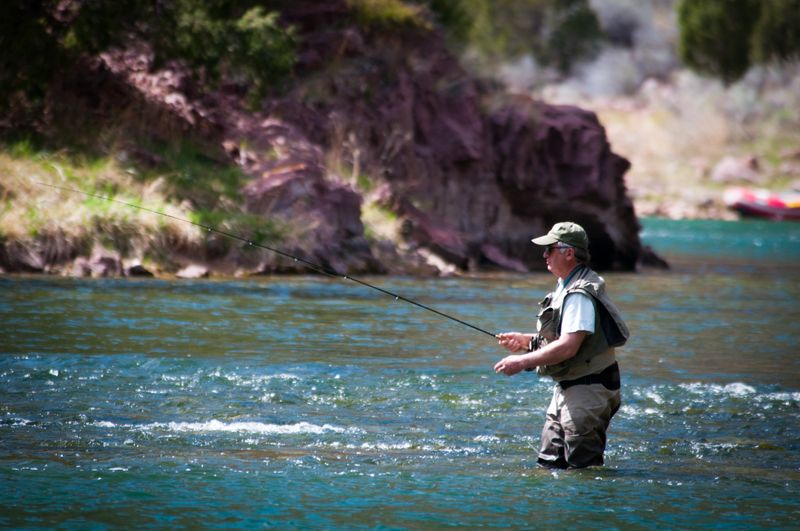
Breathable chest waders have replaced neoprene for most conditions. They're lighter, more comfortable across a full day, and work from spring through autumn. Neoprene still wins in true winter conditions when water temperatures drop below 5°C.
Wading boots should have felt soles for slippery riverbeds or rubber soles with studs for rock and gravel. Some rivers now ban felt soles to prevent the spread of invasive species. New Zealand's biosecurity programme, for example, requires all fishing gear to be cleaned, dried, and inspected between waterways under their Check Clean Dry guidelines. Always check local regulations before you arrive.
One rule: never wear new waders on a big trip. Break them in on shorter sessions first. Blisters and chafing at the seams will end your day faster than a skunked river.
Which Accessories Make the Biggest Difference?
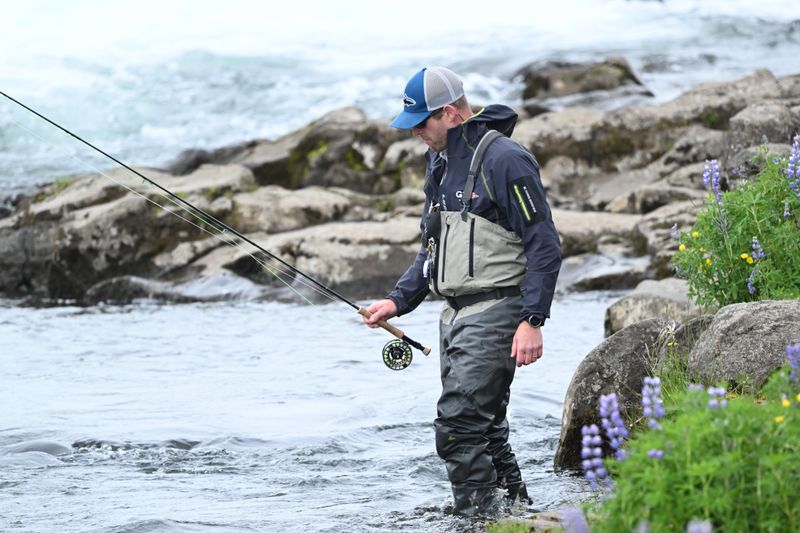
- Hat: wide-brimmed for sun protection, peaked cap for rain. Both keep glare off your eyes when reading the water.
- Polarised sunglasses: not optional. They cut surface glare and let you spot fish below the surface. Amber or copper lenses work best on rivers.
- Fingerless neoprene gloves: keep your hands warm while maintaining the sensitivity you need for knots and fly changes.
- Buff or neck gaiter: protects against wind, sun, and insects. The most underrated piece of kit in fly fishing.
- Sunscreen (SPF 50+): UV reflects off water, effectively doubling your exposure. Apply to face, ears, and the backs of your hands before you start, not after you burn.
What Should You Avoid Wearing?
A few things will guarantee a bad day on the water:
- Cotton anything: T-shirts, hoodies, jeans. All absorb moisture and make you cold. There are no exceptions.
- Bright colours: trout have excellent colour vision. White, neon, and bright red spook fish at distance. Stick to earthy tones: olive, grey, tan, brown.
- Loose clothing: excess fabric catches on flies, hooks, and rod guides during casting. Streamlined layers cast better.
- Brand new waders: untested on a big trip. Break them in first.
Off the Water: Fly Fishing Style
What you wear off the water matters too. After a morning on the river, you head to the lodge, the pub, or the tailgate. Nobody wants to sit around in damp waders and a soggy fleece.
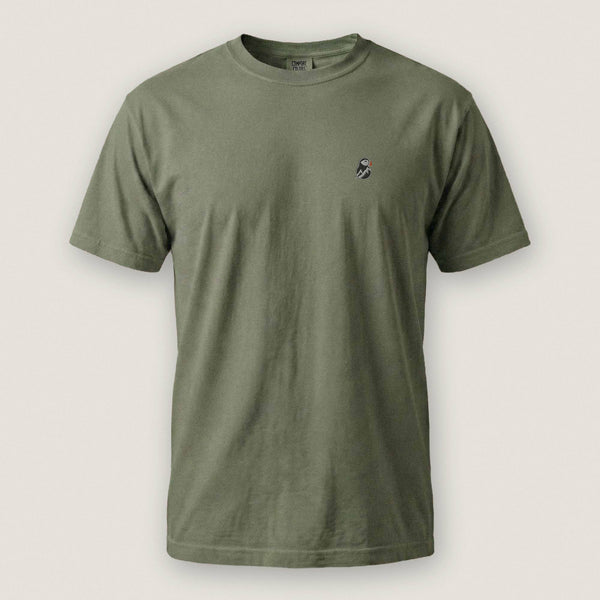
The Captain Puffin Fly Fisherman T-Shirt was built for exactly this moment. Heavyweight premium cotton (6.1oz, garment-dyed for that lived-in feel), it carries the identity of someone who spends time on the water without looking like you just crawled out of it.
For cooler evenings, the Captain Puffin Fly Fisherman Sweatshirt layers over everything and starts conversations. "You fish?" is usually all it takes.
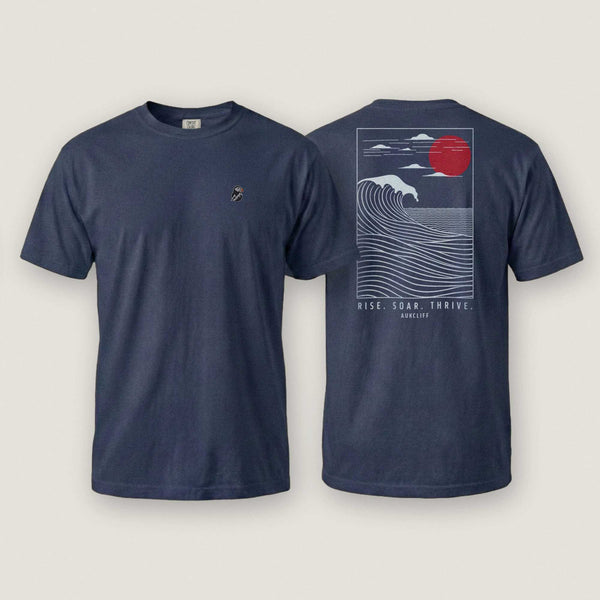
Both are part of AukCliff's Captain Puffin collection, which is built around characters that represent how people actually spend their time outside. The Fly Fisherman joins the Wildlife Photographer, Hiker, Van Life, and Bush Pilot as one of the collection's identity characters.
Frequently Asked Questions
What is the best material to wear fly fishing?
Merino wool or synthetic polyester for base layers. Both wick moisture and regulate temperature effectively. Merino is naturally odour-resistant, making it ideal for multi-day trips, while synthetics dry faster after getting wet. Never wear cotton next to your skin on the water.
Can you fly fish in jeans?
You can, but you shouldn't. Jeans are cotton, absorb water quickly, restrict leg movement, and take hours to dry. If you're wade fishing, you'll be in waders anyway. For bank fishing in warm weather, lightweight synthetic hiking trousers are a far better choice.
Do you need waders to fly fish?
Not always. In summer, wet wading in quick-dry shorts and wading boots is comfortable in warmer rivers above 18°C. For spring, autumn, and winter fishing, breathable chest waders keep you comfortable and protect against cold water immersion. The RNLI advises that even moderate cold water exposure causes rapid loss of dexterity.
What colour clothing is best for fly fishing?
Muted, natural tones: olive, grey, tan, brown, and dark blue. Freshwater fish including trout can detect colour and contrast above the water surface. Bright or white clothing creates visual disturbance that spooks fish at distance. Match the bankside vegetation where possible.
Is expensive fly fishing clothing worth it?
For base and outer layers, yes. A quality merino base layer and a waterproof shell will last years and perform in every condition. For mid layers, hats, and buffs, mid-range gear does the job. The best investment is always the layer closest to your skin and the layer between you and the rain.
If you're building out your off-the-water wardrobe, explore the full Captain Puffin collection to find the character that fits your outdoor life.
Last updated: April 2026
Wear it out there
Simple
$75.99
Coastal Waves
$101.99
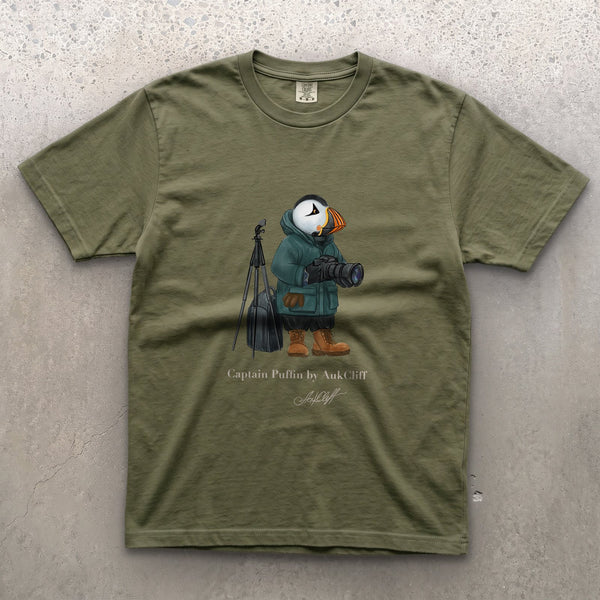
Captain Puffin Wildlife Photographer
$84.99
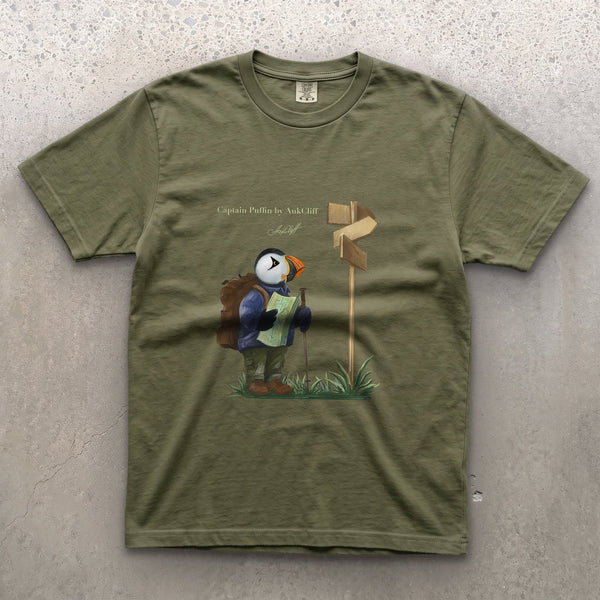
Captain Puffin Hiker
$84.99
Get the next one
New designs as they land, and the stories behind them. Unsubscribe in one click.