

Washington State has more hiking trail miles than almost any other state in the continental US. According to Washington's Department of Natural Resources, the state has over 5,180 catalogued trail miles, and that number keeps growing as old routes get rediscovered and new ones are built. From the volcano summit of Mount Rainier to 73 miles of wild Pacific coastline in Olympic National Park, the variety here is genuinely hard to overstate. This guide covers the trails worth planning your trip around, along with what you actually need to know before you go.
Mount Rainier: The Wonderland Trail and Beyond
The Wonderland Trail is a 93-mile loop that circles the entire mountain. Most people take 10 to 14 days to complete it. The trail gains and loses roughly 22,000 feet of elevation over that distance, which means your legs will know about it by day three. The views from high camp above treeline on the east side, looking back at the Tatoosh Range, are among the best in the Pacific Northwest.
If you have a single day, the Skyline Trail loop from Paradise is hard to beat. It climbs to Panorama Point at 6,800 feet, with direct sightlines to the Nisqually Glacier. In July and August the meadows below the glacier are full of wildflowers. The NPS reports that Rainier now sees 40% more visitors than it did a decade ago, so expect the Paradise trailhead to be busy on weekends. Start early or go on a Tuesday.
For summit attempts, the numbers are humbling. The NPS recorded 9,530 people attempting to climb Rainier in 2022. About half make it to the top. You need crevasse rescue training, proper mountaineering equipment, and a $60 summit permit. For the vast majority of hikers, staying below the glaciers and enjoying the trail network is the better call.
The Enchantments: Worth Every Step of the Permit Process
The Enchantments in the Alpine Lakes Wilderness are some of the most sought-after backcountry permits in the country. The lottery runs in February and fills within hours. If you miss the lottery, there are leftover day permits that go on sale daily on recreation.gov starting 24 hours in advance.

The core zone sits above 7,000 feet and is full of granite slabs, cold turquoise lakes, and mountain goats that are completely indifferent to humans. The through-hike from Stuart Lake trailhead to Icicle Creek covers about 18 miles and 6,000 feet of gain. The descent through the Colchuck and Snow Lakes zones is long but doable in a day if you're fit.
October is the best time to visit. The larch trees turn gold, the permits are slightly easier to get, and the daytime temperatures are cool enough to make the climbing feel reasonable. Bring layers. Conditions above 7,000 feet in the Cascades can shift from warm and calm to cold and rainy in under an hour.
Olympic National Park: Shi Shi Beach and the Hoh Rain Forest
Olympic National Park received 3.7 million visitors in 2024 according to the NPS, but the crowds concentrate in predictable places. If you walk more than two miles from any trailhead, you'll often find yourself alone.
Shi Shi Beach is one of the finest stretches of wilderness coast in the lower 48. It's a 9-mile round trip from the Makah Reservation trailhead to Point of the Arches, where sea stacks the size of buildings rise out of the surf. You'll need a Makah Recreation Pass (available online) plus a free Olympic Wilderness Permit. Tides matter here. Check the tables before you go and never turn your back on the Pacific.
The Hoh Rain Forest is a completely different Washington. Annual rainfall of 140 inches produces Hall of Mosses, where bigleaf maple trees are draped so heavily in moss they look like something from a fantasy novel. The Hoh River Trail runs 17 miles to the glacier and is one of the most gradual approaches to alpine terrain in the park. Olympic has over 600 miles of trails in total, including that 73-mile wilderness coastline strip, so you can spend a full week here without repeating yourself.
North Cascades and the Chain Lakes Loop
The Chain Lakes Loop near Mount Baker is a 7-mile circuit that passes five lakes, crosses Ptarmigan Ridge with views of both Mount Baker and Mount Shuksan, and stays above treeline for most of the route. It's doable in four to five hours for a fit hiker and is one of those rare trails where the payoff matches the effort at almost every point.
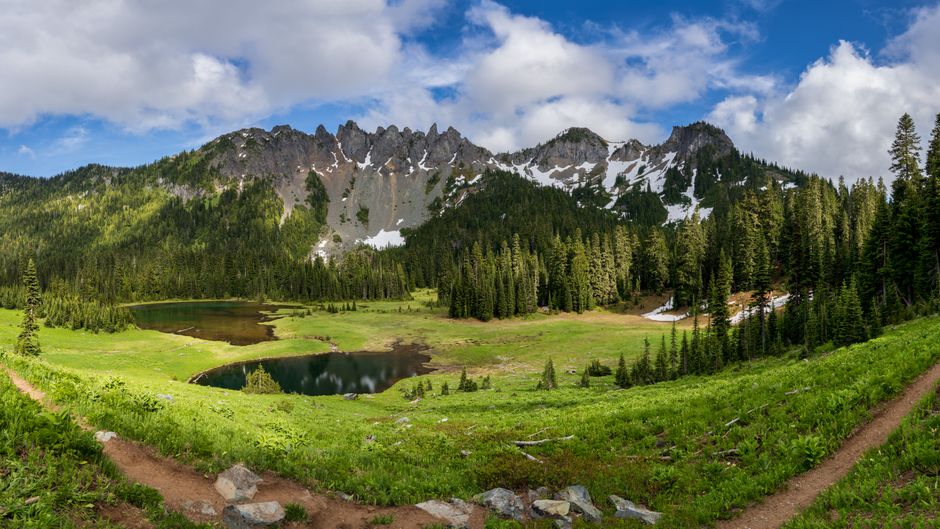
Photo by JOHN CALLERY via Pexels
The North Cascades National Park complex is the least visited of Washington's major parks, partly because the roads are challenging and partly because the terrain is genuinely demanding. The Maple Pass Loop near Rainy Pass is an exception: a well-maintained 7-mile circuit through subalpine meadows and past Heather and Ann Lakes, with Maple Pass itself offering a full panoramic view of the Cascades. Peak colour here is usually late September into early October.
Permits, Parking, and the Recreation.gov Reality
Washington's most popular trailheads now require timed entry permits. The Paradise area at Rainier, the Enchantments, and several Olympic trailheads all operate permit systems at different times of year. Check recreation.gov before planning any peak-season trip. The Northwest Forest Pass ($30/year or $5/day) covers parking at most National Forest trailheads. Discover Pass ($35/year) covers Washington State Parks. If you hike in Washington regularly, both are worth having.
The Interagency Annual Pass at $80 covers entry fees to all federal lands including Rainier and Olympic and pays for itself in two visits.
What to Wear in Pacific Northwest Weather
The PNW has a reputation for rain that is, broadly speaking, accurate. But Washington's east and west sides are genuinely different climates. The west side of the Cascades is wet and mild. The east side is drier, hotter in summer, and colder in winter. Plan your layers accordingly.
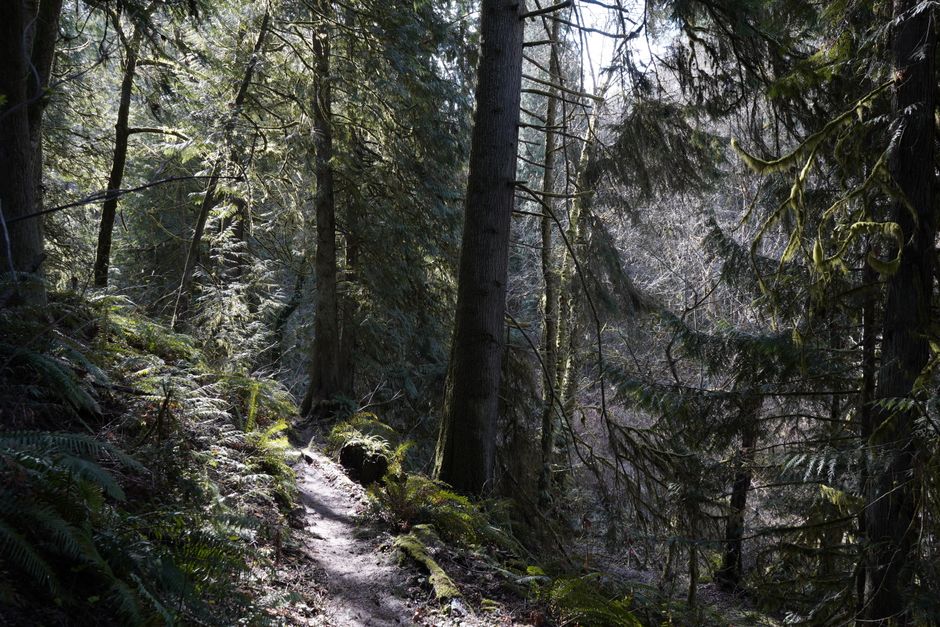
Photo by Dennis Amador via Pexels
On the trail, the most important piece of clothing is a waterproof shell. Below that, a midlayer that keeps warmth when wet matters more than anything technical. Cotton gets a bad reputation in outdoor circles, but a well-made heavyweight cotton tee works well in mild conditions. The Embrace The Mountain Call Tee is cut from 6.1oz premium fabric that holds up through a full day on trail and looks decent when you walk into a diner at the end of it. For cooler shoulder-season days, the Peak Junkie Hoodie in 9oz premium fleece handles that midlayer role well.
Footwear is the other variable. Most of Washington's major trails are well-maintained enough for trail runners, but the Wonderland Trail's exposed sections and the Enchantments' granite slabs reward a stiffer sole with better ankle support. The Raised on Peaks T-Shirt is worth packing as a camp layer for cool evenings after the miles are in.
Best Season for Each Region
The Olympic coast is accessible year-round, though winter storms make exposed camping on the beach genuinely miserable. The Hoh Rain Forest is excellent any time of year. For high-alpine routes in the Cascades and on Rainier, the window is July through September. Snow can persist on north-facing slopes above 6,000 feet well into July, and the first significant snow of the season often arrives in October.
The Enchantments above 7,000 feet are typically snow-free from mid-July to early October. The Chain Lakes Loop near Baker is usually clear by mid-July. For fall colour in the larch zone, the last two weeks of September and first week of October are reliably good. Check the Washington Trails Association (wta.org) for current trail condition reports before any trip above treeline.
Browse the full Origin Collection for trail-ready pieces built for days like these. The Life on the Edge T-Shirt and Mountain Adventure Hoodie are both popular with hikers who want something that works on trail and doesn't look out of place once they're back in town.
Frequently Asked Questions
Do I need a permit to hike in Mount Rainier National Park?
Day hiking on most trails in Rainier does not require a permit beyond the park entrance fee. Backcountry camping requires a wilderness permit ($6 per person per night). Summit attempts require a separate $60 permit. During peak season some trailheads use timed entry permits, which are booked through recreation.gov. Check the NPS website for the current year's requirements before your trip.
When is the Wonderland Trail open?
The full 93-mile loop is typically snow-free and accessible from late July through late September. High-elevation sections can hold snow into August in heavy snow years. The NPS begins accepting backcountry permit applications in mid-March for the upcoming season. Permits are competitive so apply as early as the system allows.
How hard is the Enchantments day hike?
Very hard. The through-hike covers roughly 18 miles and 6,000 feet of cumulative elevation gain. Most fit hikers take 10 to 14 hours. Start no later than 5am if you plan to do it in a day. Bring plenty of food and water, headlamps, and be prepared for afternoon weather changes above treeline.
What is the best easy hike in Olympic National Park?
The Hall of Mosses in the Hoh Rain Forest is a 0.8-mile loop and one of the most rewarding short walks in the park. The Marymere Falls trail near Lake Crescent is another excellent option at 1.8 miles round trip. Both are well-maintained and accessible to hikers of all fitness levels.
Is Washington State good for hiking year-round?
Yes, depending on where you go. The Olympic coast and lower-elevation forest trails are accessible through winter, though rain gear is essential. The Cascade high-country is seasonal, typically July through October. The dry east side of the Cascades opens earlier in spring and stays accessible later into fall than the wetter west side.


